Gluten-Free Kentucky Butter Pound Cake

Updated


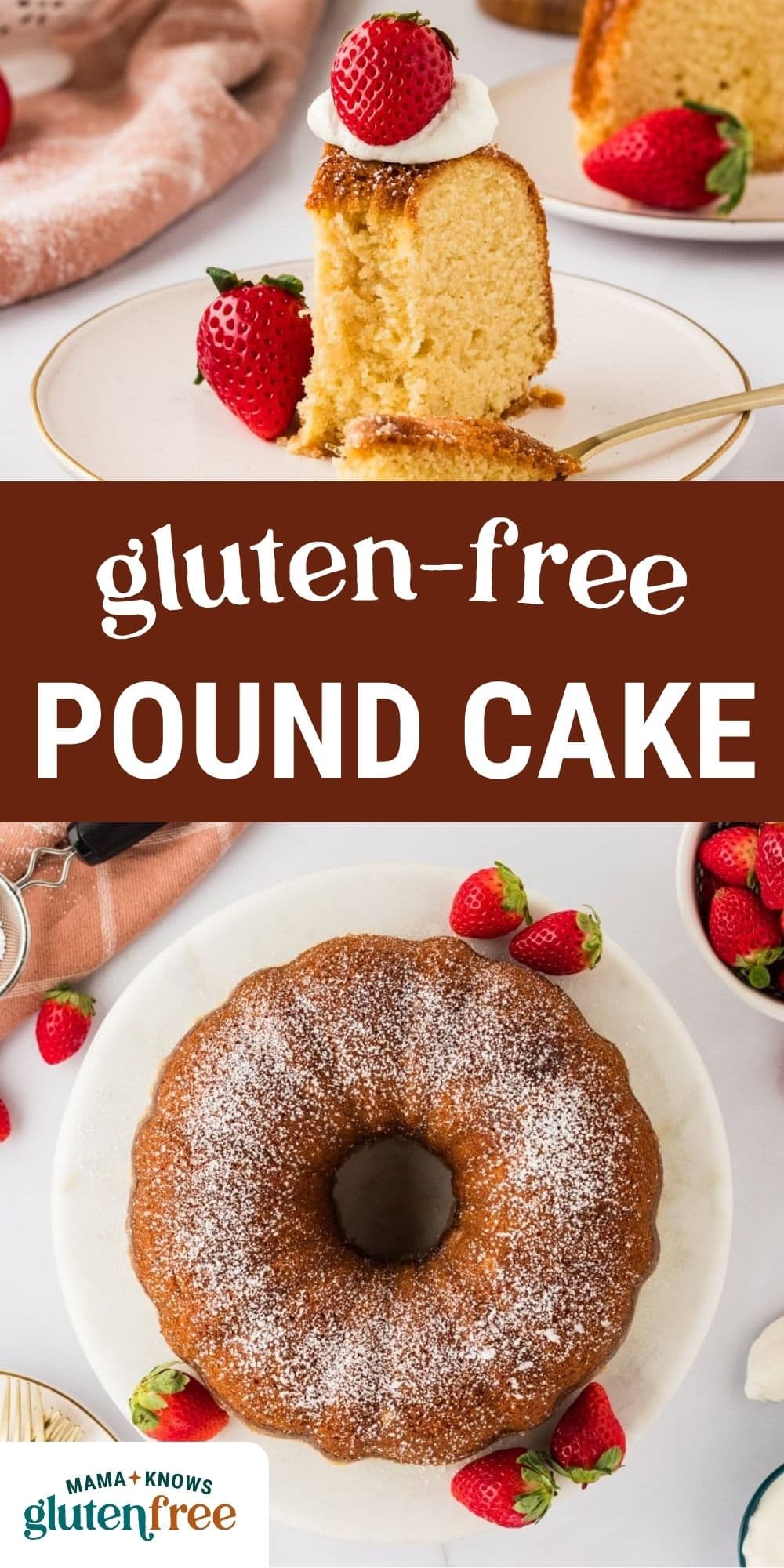
Gluten-free Kentucky butter cake is a rich, moist gluten-free bundt cake soaked in a warm butter glaze that keeps every bite soft, tender, and full of flavor. Made with gluten-free flour, butter, sugar, and vanilla, this homemade gluten-free butter cake has that classic dense crumb and buttery taste I grew up loving, just without the gluten. It is perfect for holidays, brunch, or anytime you want an easy gluten-free cake recipe that feels special but is simple enough to make anytime.
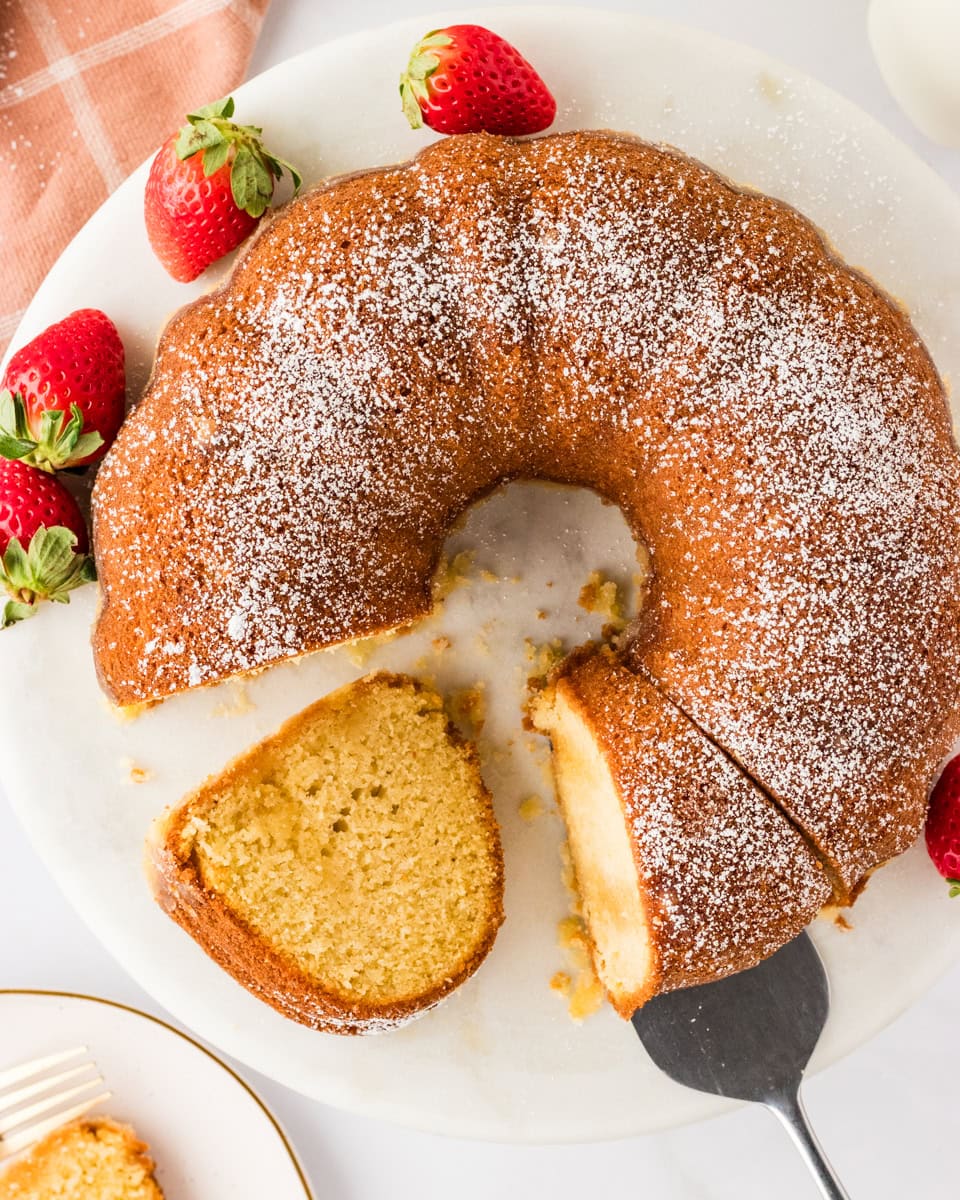
“This is my go to dessert when I want to impress. I serve it with a maple pecan bourbon sauce, fresh fruit (cherries, berries, whatever is in season) and bourbon whipped cream. It’s amazing.”
– Shelly
Rich, Buttery Gluten-Free Cake
Gluten-free Kentucky butter cake was one of those classic recipes I wasn’t willing to give up after going gluten-free. Especially because so much of what makes it special comes from the method, not just the ingredients. I tested this with my favorite gluten-free flour blend, plenty of real butter, and the exact butter glaze technique that gets poured over the warm cake so it can fully soak into the crumb. That glaze is what keeps the cake incredibly moist for days and gives it that signature rich flavor and delicate texture. It’s the kind of cake I make when I want something simple but reliable, whether it’s for a holiday, serving with coffee, or just having a slice ready on the counter. If you try it, I’d love to hear how it turns out for you.
What I Learned While Testing
- The butter glaze is essential for moisture. Gluten-free cakes naturally dry out faster than traditional cakes because they lack gluten’s elasticity and moisture retention. The butter glaze isn’t just for flavor, it actively soaks into the crumb and keeps the cake soft for days. I always pour the glaze while the cake is still warm, so it can fully absorb instead of sitting on the surface. This step makes the biggest difference in achieving that classic Kentucky butter cake texture.
- Watch the batter consistency carefully. The batter should look thick, smooth, and easily pourable, similar to a traditional bundt cake batter. It should not look stiff, crumbly, or dry. Gluten-free flour is easy to overmeasure, which can lead to a dense cake. I recommend spooning the flour into the measuring cup and leveling it off rather than scooping directly from the bag.
- Grease the bundt pan thoroughly to prevent sticking. Bundt pans have many crevices where cake can stick, and gluten-free cakes are more delicate when warm. I generously spray my bundt pan with gluten-free cooking spray, making sure to coat every crevice and inner surface to prevent sticking. I like to use coconut oil cooking spray for full coverage. This extra step ensures the cake releases cleanly and keeps its beautiful shape.
Gluten-Free Kentucky Butter Pound Cake
Ingredients
- 1 cup (240 ml) milk, dairy-free use unsweetened almond milk
- 1 tbsp (15 ml) white vinegar
- 1 cup (230 g) unsalted butter, dairy-free use Smart Balance butter
- 2 cups (400 g) granulated sugar
- 4 large eggs
- 1 tbsp (15 ml) pure vanilla extract
- 3 cups (360 g) gluten-free all-purpose flour with xantham gum, I like Pillsbury gluten-free flour. Not all gluten-free flours are created equal. You may experience different baking results depending on the gluten-free flour blend you choose.
- 1 tsp (5 g) gluten-free baking powder
- ½ tsp (3 g) baking soda
Glaze
- ⅓ cup (75 g) unsalted butter, dairy-free use Smart Balance butter
- ¾ cup (150 g) granulated sugar
- 2 tsp (10 ml) pure vanilla extract
- 2 tbsp (30 ml) water
Recipe Video
Instructions
- Preheat oven to 325°F (160°C).
- Spray a 14.5 cup bundt pan heavily with gluten-free cooking spray. I use coconut oil cooking spray.
- To make the homemade buttermilk, add the vinegar to the cup of milk and stir.
- In a large bowl, cream the softened butter and 2 cups sugar together with your mixer until fluffy.
- Add the pure vanilla extract and eggs to the butter mixture and mix until smooth.
- Add the baking powder, baking soda, and gluten-free flour and mix until fully combined.
- Pour in the homemade buttermilk to the cake batter and mix until fully combined. The cake batter will be very thick.
- Pour the cake batter into the greased bundt pan and bake on the middle rack for 70 minutes, or until a toothpick entered into the center comes out clean.
Glaze
- Melt the butter in a small saucepan over medium-low heat. Add in 3/4 cup granulated sugar, pure vanilla extract, and water. Bring to a very low boil, then reduce the heat and simmer for 1 minute until the sugar is dissolved.
- Poke holes all over the warm cake with a butter knife (or cake tester, or chopstick) and pour the butter glaze evenly over the cake while still in the pan.
- Allow the cake to cool completely in the pan and then invert the cake onto a serving plate.
- Sprinkle with powdered sugar and enjoy!
Notes
- Use the scoop and level method when measuring gluten-free flour, or you could get more flour than the recipe calls for.
- It’s best to use room-temperature ingredients when baking. This helps ensure the proper texture, consistency, and structure of the cake.
- Beating the eggs and sugar together first is a crucial step in getting the classic light and airy texture to the pound cake. This method promotes bubbles that develop during baking.
Nutrition
Nutrition information is automatically calculated, so should only be used as an approximation.
How to Make Gluten-Free Kentucky Butter Pound Cake
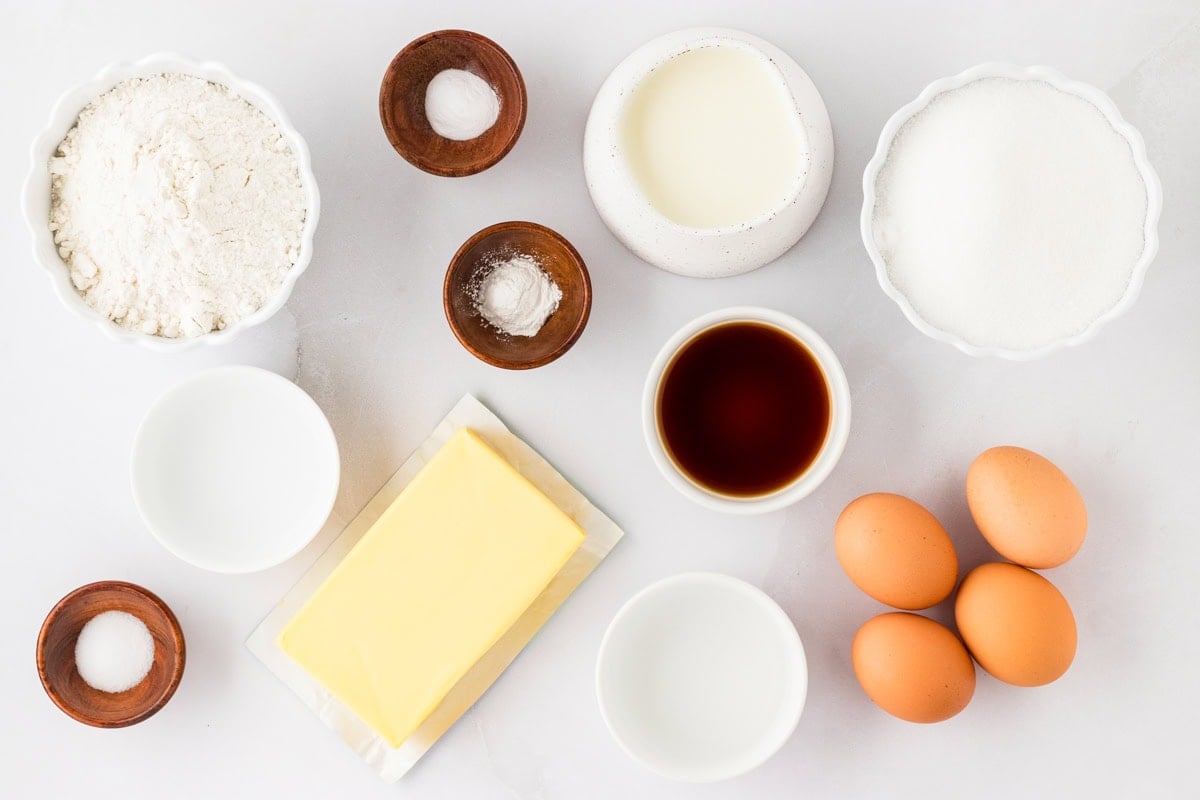
Gather the ingredients: Gather all the ingredients together. Preheat the oven to 325°F (160°C). Generously spray a 14.5-cup bundt pan with gluten-free cooking spray, making sure to coat every crevice and inner surface to prevent sticking. I like to use coconut oil cooking spray for full coverage.
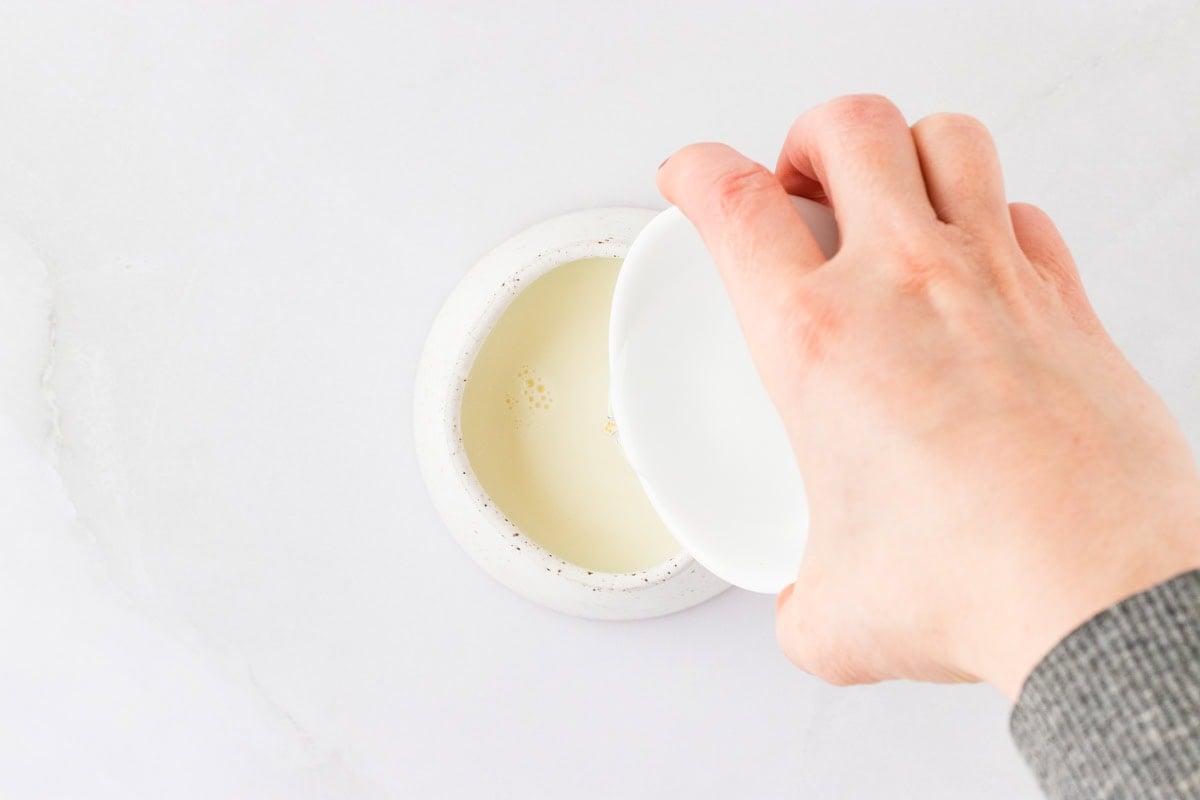
Make the homemade buttermilk: Pour 1 cup (240ml) milk (or dairy-free alternative) into a measuring cup, add 1 tbsp (15 ml) white vinegar, and stir gently to combine. Let the mixture sit for 5 minutes. It will slightly thicken and curdle, which creates the acidity needed for a tender crumb.

Cream the butter and sugar: In a large mixing bowl, beat 1 cup (230g) softened unsalted butter (or dairy-free butter) with 2 cups (400g) granulated sugar using an electric mixer on medium speed for 2-3 minutes, until the mixture looks light, fluffy, and pale in color. This step creates air pockets that help the cake rise properly.
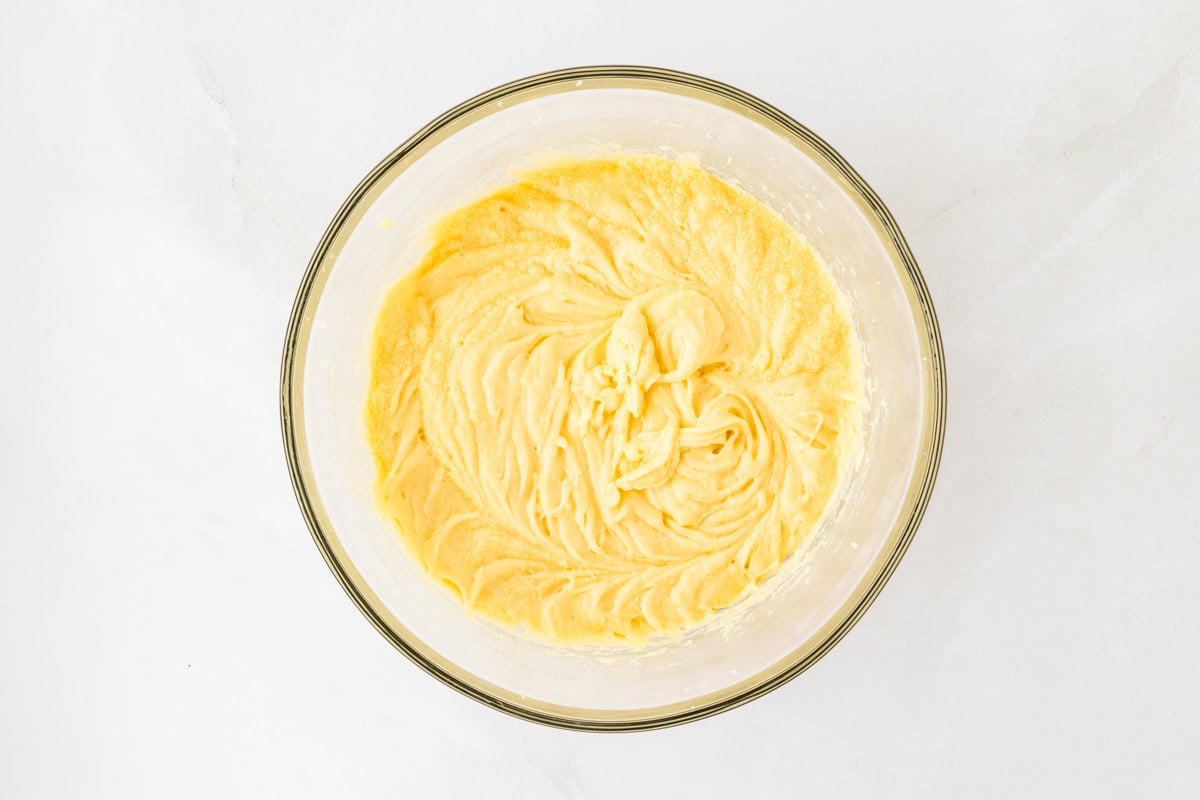
Add the eggs and vanilla: Add 4 large eggs, one at a time, beating well after each addition to ensure the batter stays smooth and emulsified. Mix in 1 tbsp (15 ml) pure vanilla extract. The mixture should look creamy, glossy, and fully combined.
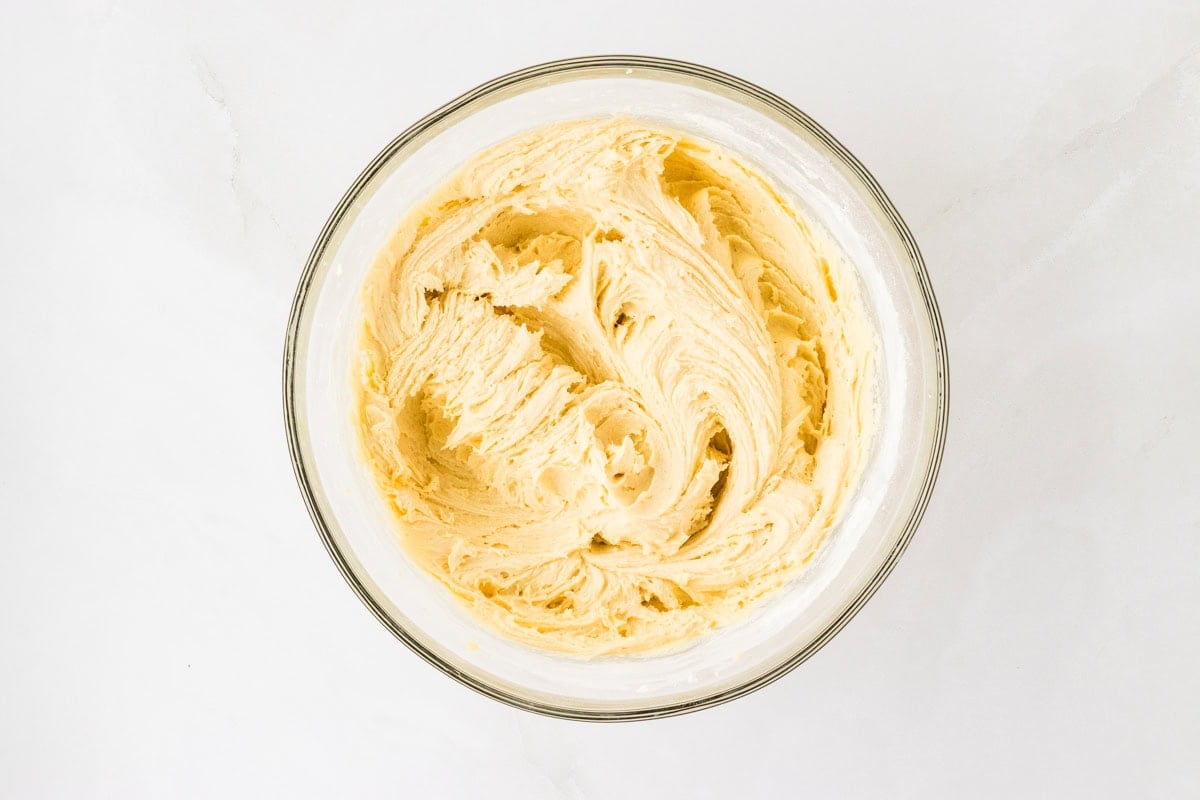
Add the dry ingredients: Add 3 cups (360g) gluten-free all-purpose flour with xanthan gum, 1 tsp (5g) gluten-free baking powder, and ½ tsp (3g) baking soda to the bowl. Mix on low speed until just combined. The batter will become thick and dense, which is normal for gluten-free cake batter.

Add the buttermilk: Slowly pour in the prepared buttermilk and mix until fully incorporated. Scrape down the sides and bottom of the bowl to ensure everything is evenly combined. The finished batter should be thick but smooth and spreadable, not dry or crumbly.
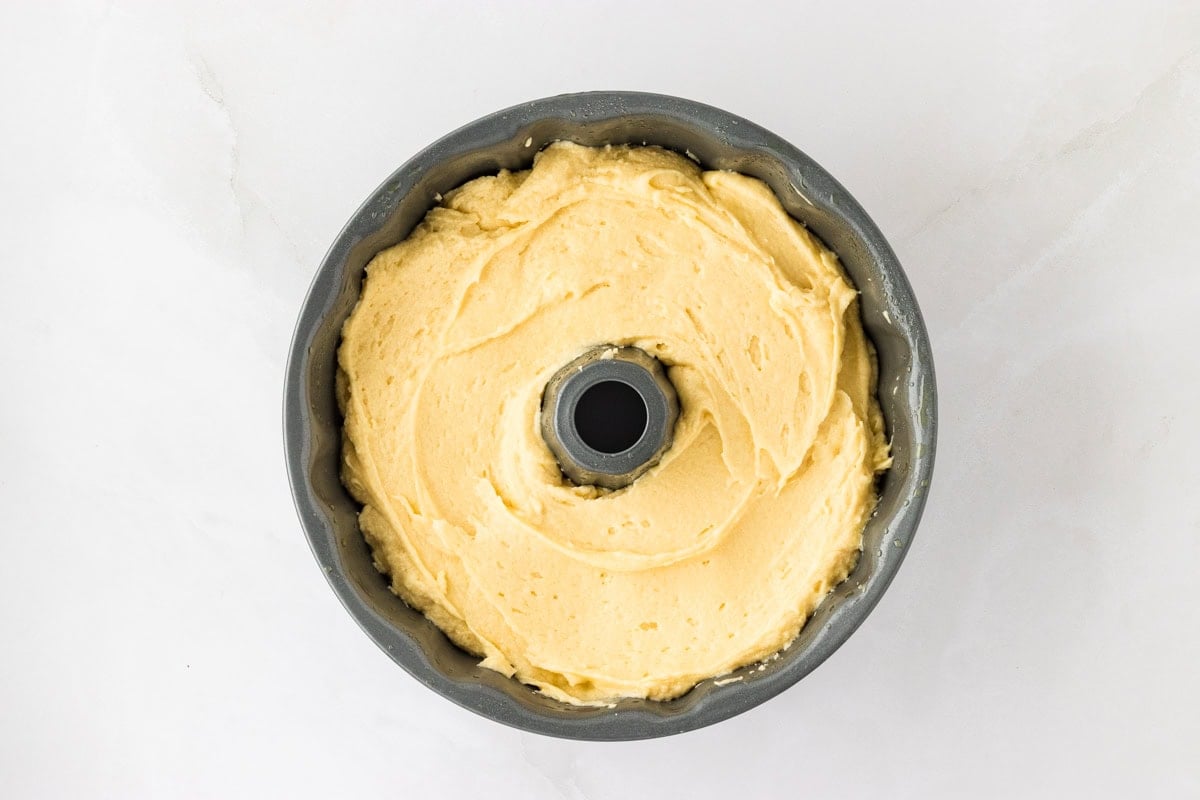
Transfer and bake: Spoon the thick batter evenly into the prepared bundt pan and smooth the top with a spatula. Bake on the center rack for 65-70 minutes, or until a toothpick inserted into the center comes out clean or with a few moist crumbs. The top should be golden and spring back lightly when touched.
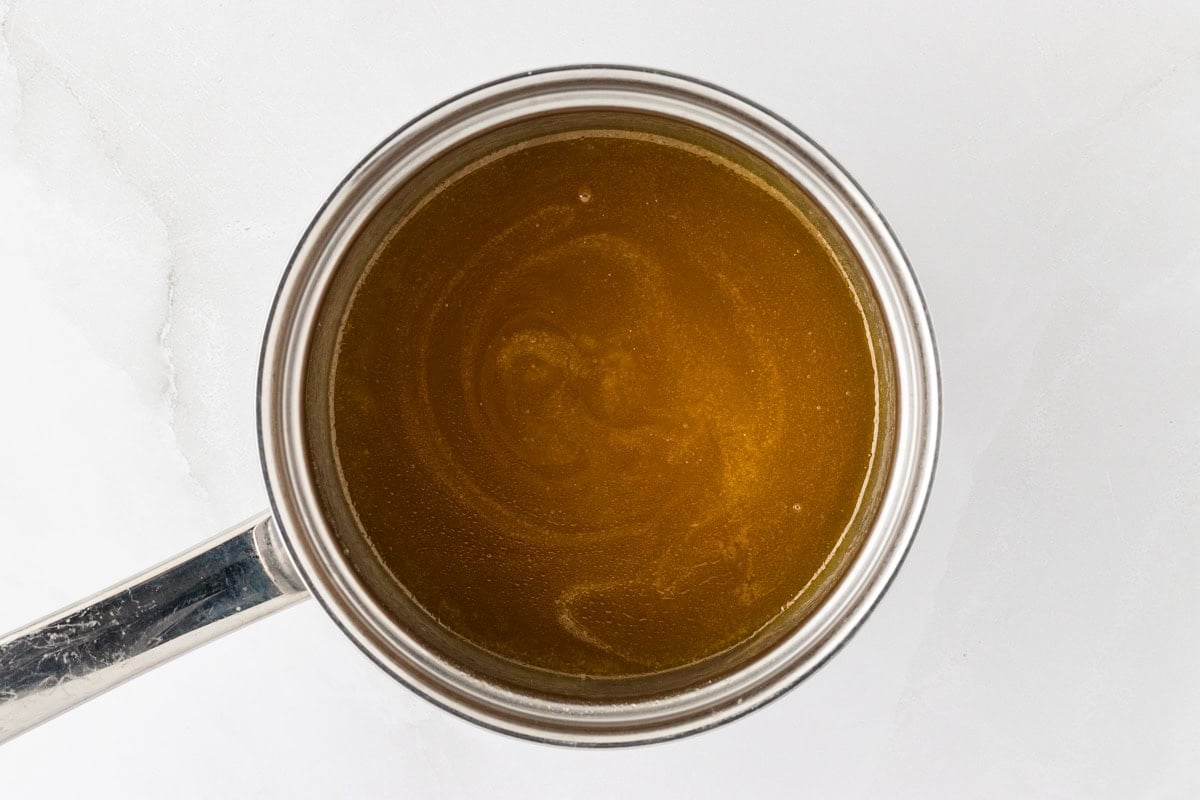
Prepare the glaze: In a small saucepan over medium-low heat, melt ⅓ cup (75g) unsalted butter (or dairy-free butter). Add ¾ cup (150g) granulated sugar, 2 tsp (10 ml) pure vanilla extract, and 2 tbsp (30 ml) water, stirring continuously. Bring the mixture to a gentle simmer and cook for 1 minute, until the sugar is fully dissolved and the glaze looks smooth and slightly thickened.
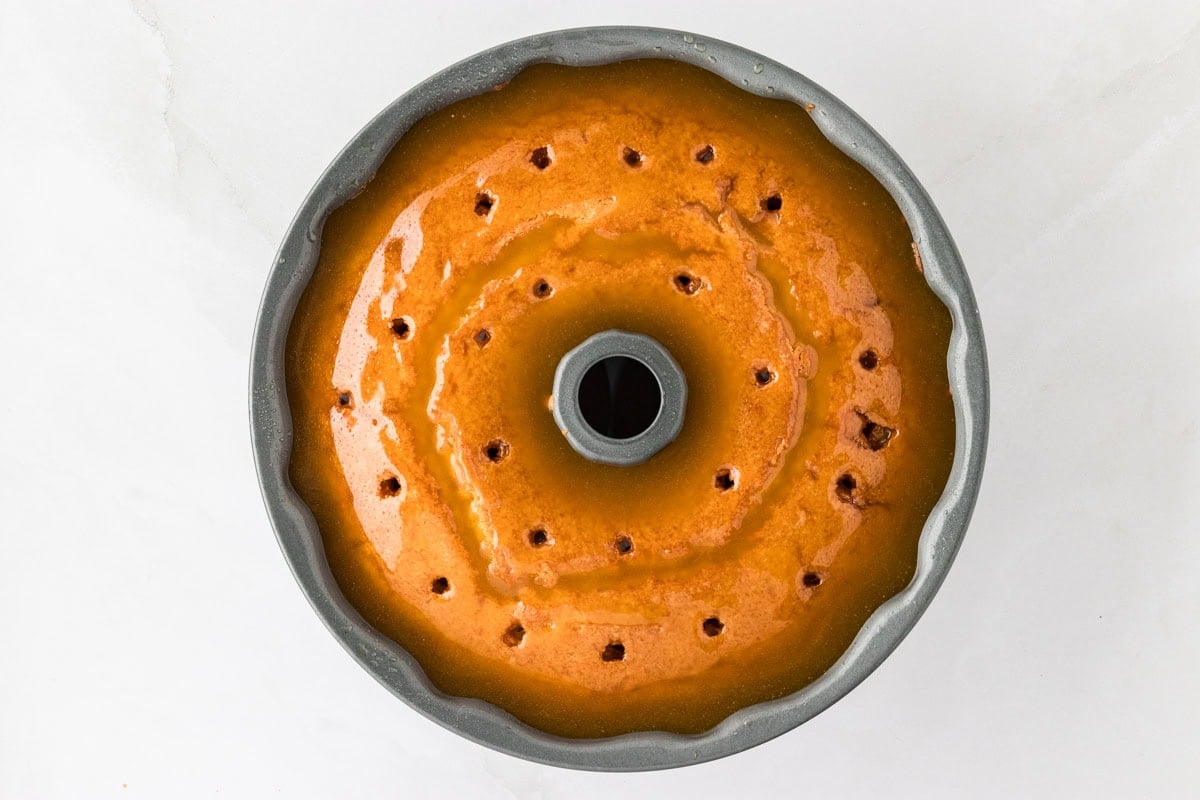
Soak the warm cake with glaze: While the cake is still warm and in the pan, use a butter knife, cake tester, or chopstick to poke holes all over the surface. Slowly pour the warm glaze evenly over the cake, allowing it to soak into the holes and fully absorb into the crumb. This step is critical for creating a moist, tender texture.
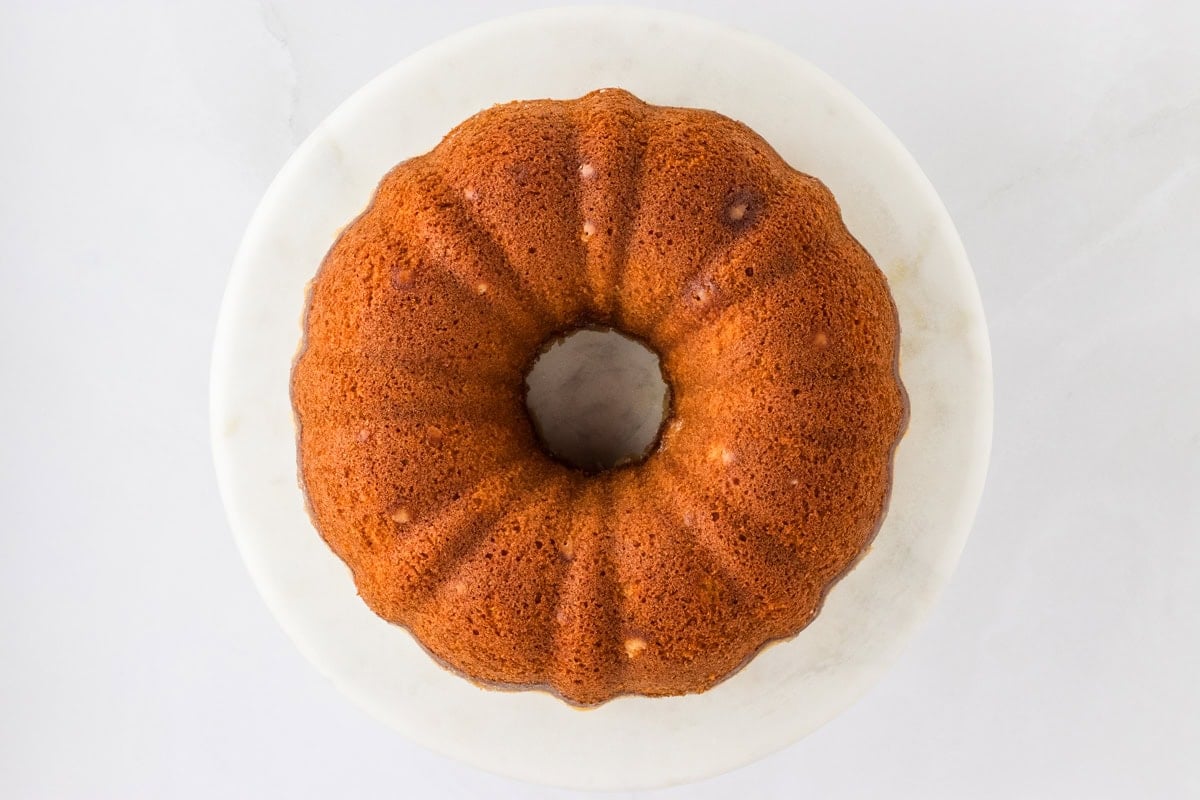
Cool and release the cake: Allow the cake to cool completely in the pan so it can fully absorb the glaze and set its structure. Once cooled, carefully invert the cake onto a serving plate. It should release cleanly and hold its shape.
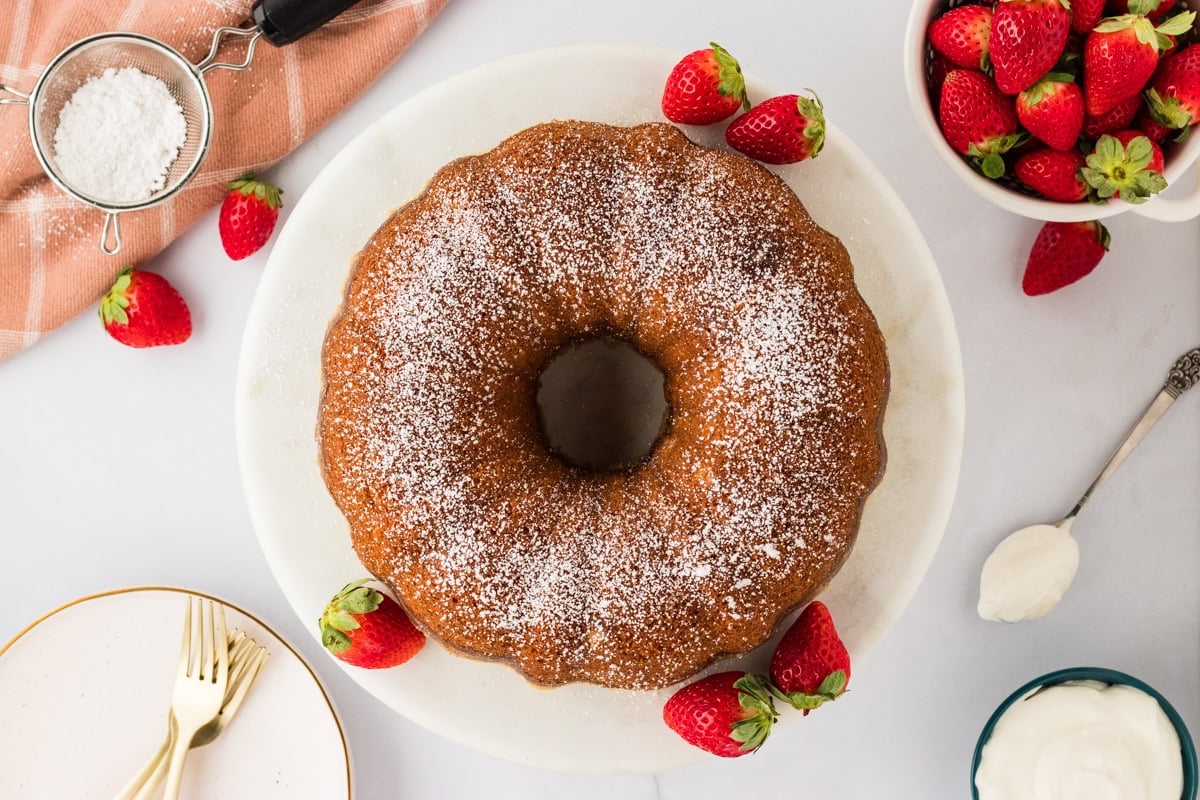
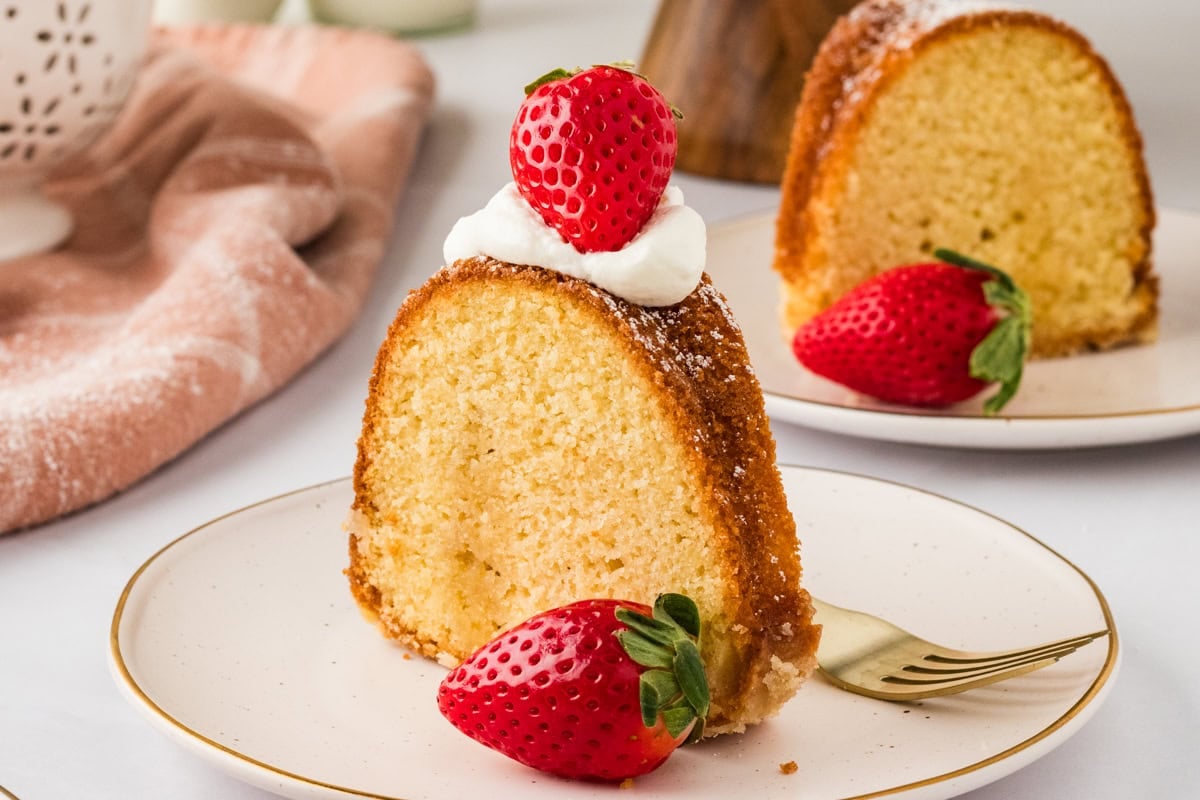
Finish and serve: Lightly sprinkle the cake with powdered sugar, if desired. Slice and serve. The crumb should be dense, moist, and buttery throughout. Enjoy!
Serving Suggestions
This gluten-free Kentucky butter cake is simple enough for everyday baking but special enough for holidays and celebrations. The rich butter glaze keeps it moist and full of flavor, so it’s delicious served on its own or with simple toppings. I often make it for Easter, Christmas, birthdays, and dinner parties. It also works well for brunch spreads, especially alongside savory dishes like crustless ham and cheese quiche or sweet treats like gluten-free beignets. Serve it with coffee or tea for a classic pairing. Fresh berries or a scoop of almond milk ice cream add a nice contrast to the buttery crumb. You can also dust the top with powdered sugar, drizzle it with vanilla glaze, or add fresh strawberries or blueberries before serving.
Storage Instructions
You can make this cake up to 1 day in advance. The butter glaze actually improves the flavor and moisture as it sits. Store the cake covered in an airtight container at room temperature for up to 3 days, or refrigerate it for up to 5 days for longer freshness. I recommend bringing slices to room temperature before serving so the crumb softens and the buttery flavor comes through fully.
This cake also freezes very well. Wrap individual slices tightly in plastic wrap, then place them in a freezer-safe bag and freeze for up to 3 months. Let the slices thaw at room temperature before serving. The butter glaze helps the cake stay moist even after freezing.
More Gluten-Free Bundt Cakes to Try
- Gluten-Free Apple Cake: This gluten-free apple cake has the same moist, buttery texture as gluten-free Kentucky butter cake, with fresh apples and a rich glaze that soaks into every bite.
- Gluten-Free King Cake: If you enjoy the rich, buttery flavor of gluten-free Kentucky butter cake, this gluten-free king cake is another classic dessert with a soft crumb and sweet glaze.
- Gluten Free Gingerbread Cake: This soft gluten-free gingerbread cake balances warm spices and sweetness and is finished with a buttery glaze that creates a lightly crunchy topping.







I have made this cake multiple times. I make it gluten-free and sometimes dairy-free. It is always a huge hit, even with people who don’t have an allergy. My husband has been celiac for three years, and I love finding recipes we can all enjoy.
That’s wonderful Anne! Thank you for the review and we’re so glad you like the Pound cake!
About the Kentucky Butter pound Cake, two things confuse me. In the blog you explained that you are careful to butter the Bundt cake pan and why the cake must be removed at 10 minutes, neither too early nor too late. However, in the recipe you use coconut oil spray and only invert the cake when it has cooled and the glaze has been absorbed.
Thank you Ginny! We use coconut spray and have updated the post to reflect that as well as the cooling instructions.
An you use just regular butter milk?
Hi Johana, yes we make our own buttermilk 🙂
Fist your recipes are amazing – thank you! My daughter had a severe allergy to wheat and we have tried many of your recipes. I want to replicate a souther buttermilk cake made in a 9×14 pan with cooked caramel frosting. I saw in another comment the pan can be swapped out. What do you think about adding the boiled caramel frosting?
think that would be delicious. Add the boiled caramel frosting after baking the cake and cooling it slightly. Let us know how it turns out!
This cake is fantastic!! I have tried variations using maple sugar and maple flavoring and brushing it with maple syrup. I have also made it as written. I highly recommend making it. I use Country Crock butter and oat milk.
Can you make this cake sugar free?
Hi Barbara, we have not tested a sugar free version.
Has anyone tried this as a pineapple upside down cake?
Please note that the printable version of the recipe says to mix the butter with 3/4 C sugar. I figured the rest of the sugar would be added with the dry ingredients, but no mention of it. Here I see you say to mix all 2 C of the sugar with the butter.
Hi Marta, We updated it so it would be more clear.
Can the vinegar be left out? I have silent reflux and cannot have anything acidic.
Hi Carla, If leaving it out, I would substitute the buttermilk with plain yogurt in the same amount.
I was looking for a gluten free dairy free cake to bake this week to make strawberry shortcakes with for my best friend’s family and most of what I saw was uninspired. Until this one. I am SO glad I found this website! I baked this poundcake this morning using my brand new Bob’s Red Mill and Smart Balance in a 9 X13 pan. The only thing I did was reduce the cook time by a quarter due to the different pan size, just because that’s what I had on hand. It was so good! I love to bake, and have made pound cake before, this was no harder and wasn’t dry at all. After it cooled, we used a small cup to cut out circles and I cut them open like biscuits. But wow, were they so much better. I’m allergic to red food dye & sulfates, but this is my first try at something her whole family can eat. Overwhelming success. Huge smiles and great raves from all five kids. Thank you so much for sharing! It was a truly wonderful day.