Gluten-Free Victoria Sponge Cake

Published
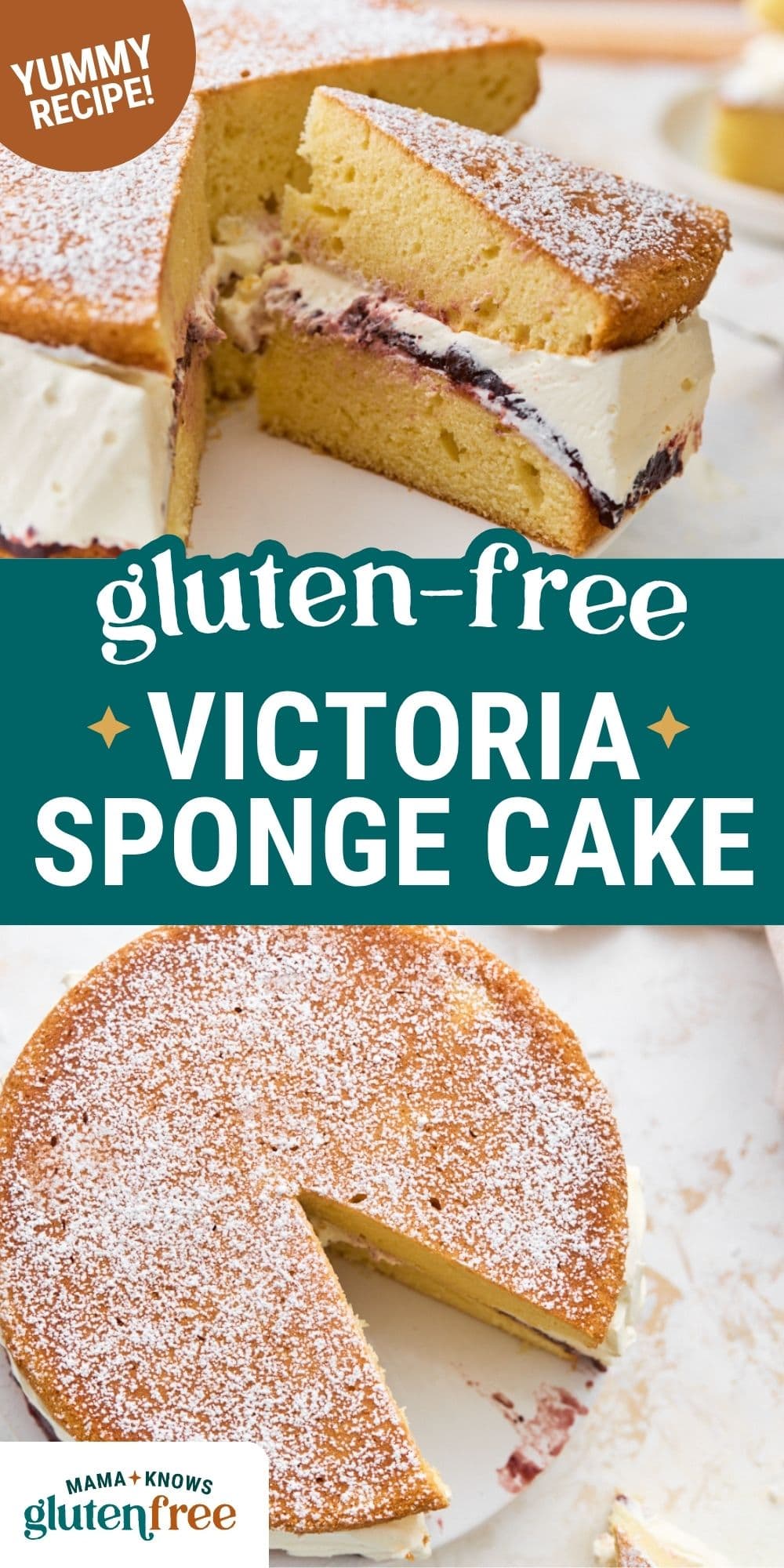
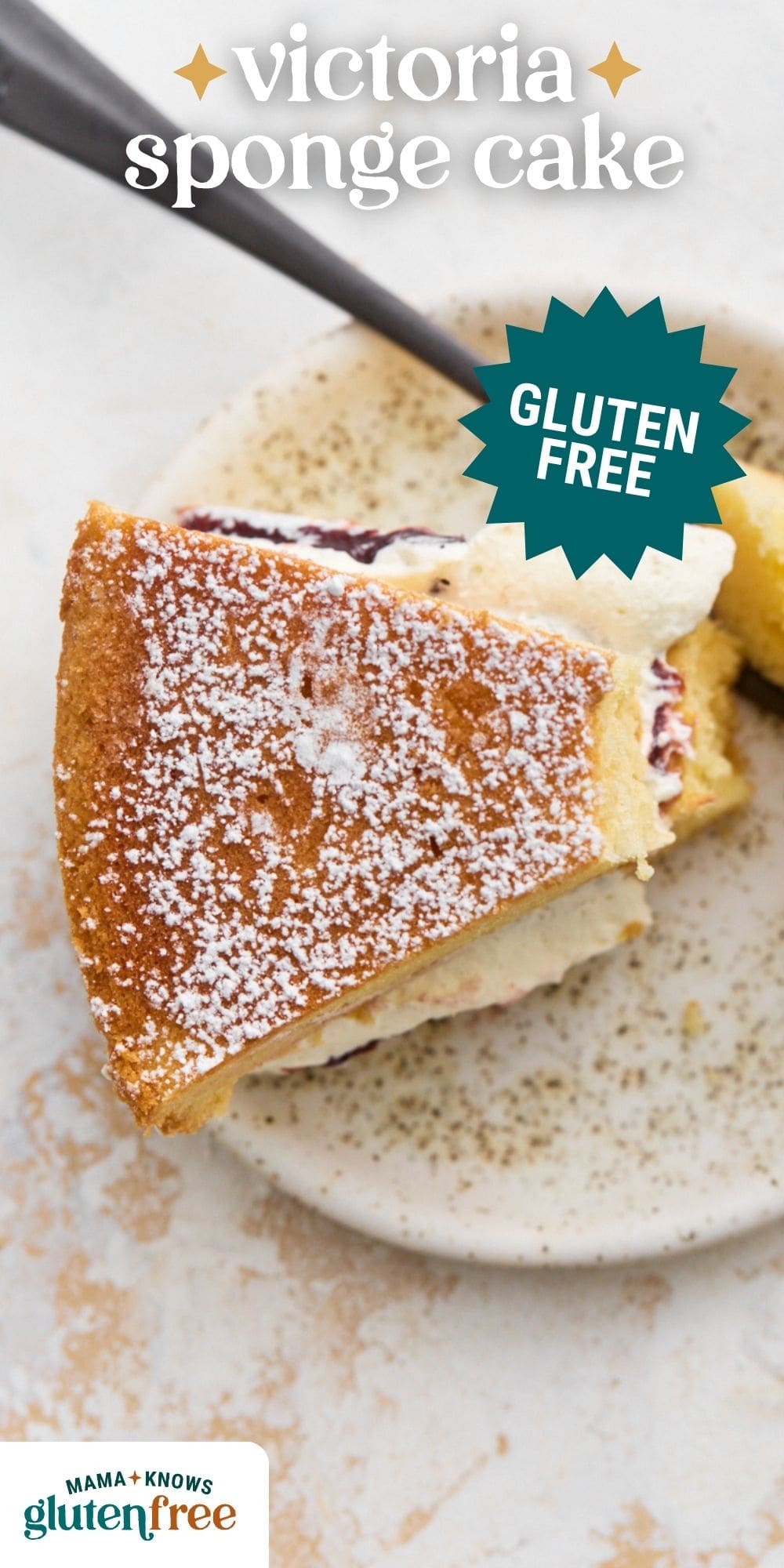
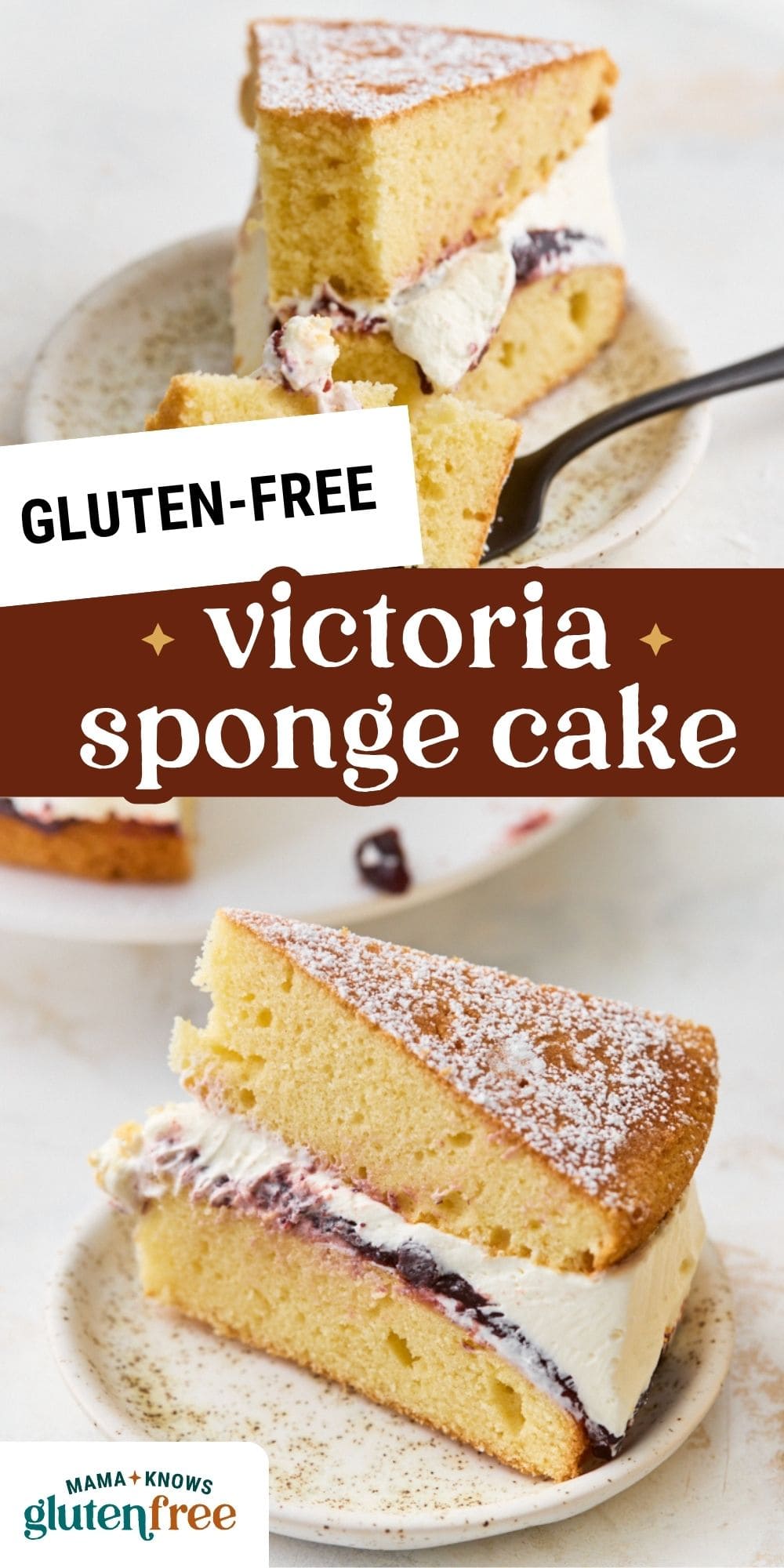
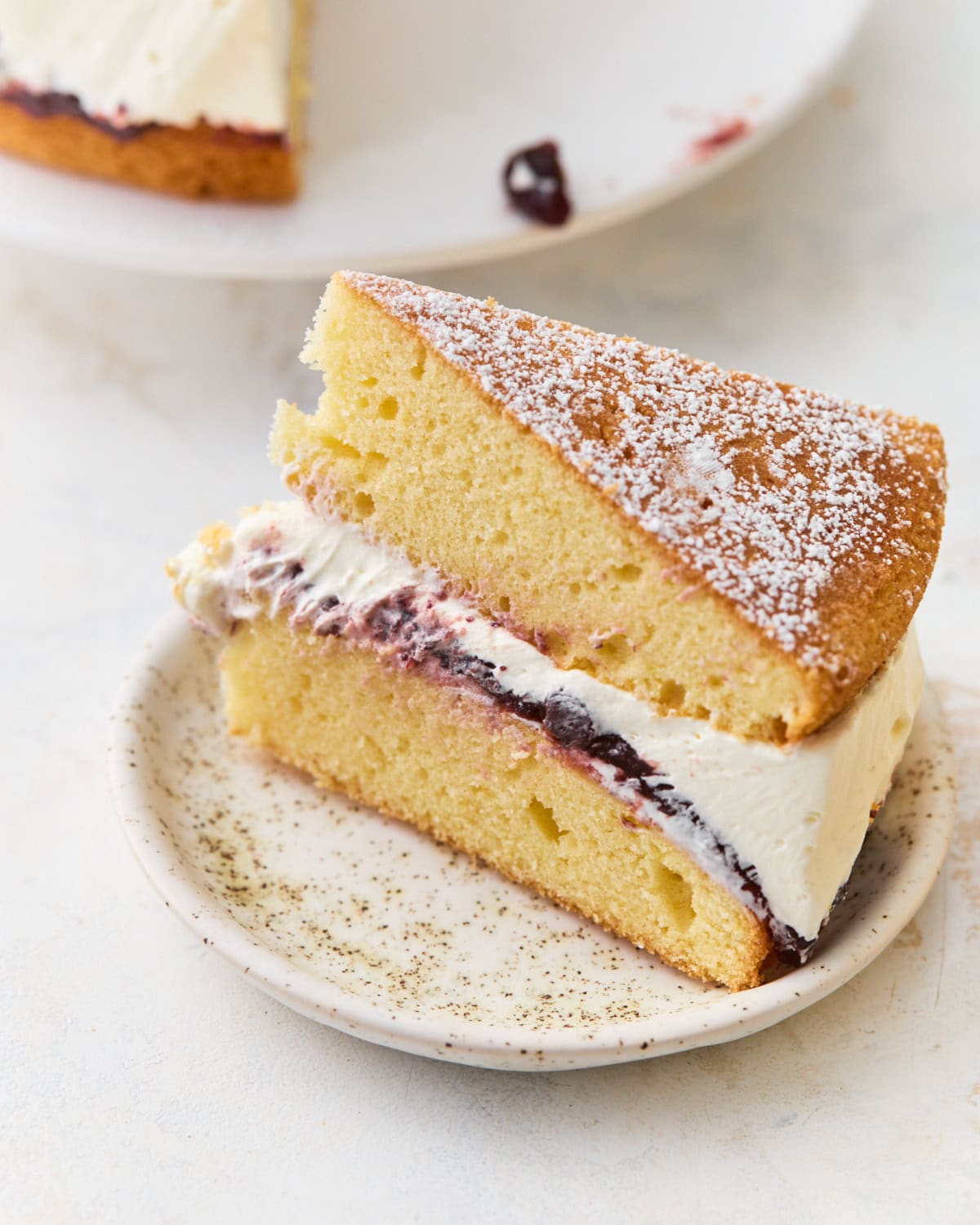
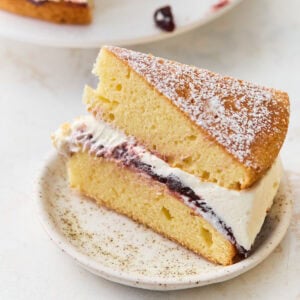
This is the gluten-free Victoria sponge cake that’s actually light and fluffy. It’s made with a gluten-free all-purpose flour blend, butter, and eggs, then filled with sweet strawberry jam and pillowy whipped cream. It bakes in just 25-30 minutes. The result is a tender, golden sponge that tastes just like the classic British teatime cake. I make it for birthdays and spring gatherings, but it’s easy enough for any day you just want cake.
Why This Gluten-Free Sponge Turns Out Light Every Time
Victoria sponge was one of the cakes I missed most after going gluten-free, so I was determined to get this one right. After making it with several different flour blends, I found the secret to a light sponge isn’t a fancy technique. It’s creaming the butter and sugar for a full 3 minutes, then folding the flour in gently. It’s the same method I use in my gluten-free funfetti cake, and it works for the same reason. Gluten-free batters don’t have gluten to trap air, so the air you beat into the butter is doing all the heavy lifting.
A splash of milk at the end makes a real difference too. Gluten-free flour blends absorb more liquid than wheat flour, and those 2 tablespoons keep the batter loose enough to rise evenly instead of doming and cracking. You’ll know you’ve got it right when the batter is smooth, soft, and drops slowly off the spoon, not stiff and not runny. Once you see (and taste) the difference, this will be your go-to celebration cake.
What I Learned While Testing
- Cream the butter and sugar for a full 3 minutes. Don’t stop when it looks “combined.” Keep beating until the mixture is noticeably paler in color and fluffy in texture, almost like frosting. I tested this cake with a 1-minute cream and a 3-minute cream side by side, and the difference was night and day: the 1-minute version came out flatter and denser, while the 3-minute version rose beautifully with that classic sponge softness. If your sponge cakes have ever come out heavy, this is almost always why.
- Use a gluten-free flour blend that already contains xanthan gum. This is the one ingredient this recipe can’t succeed without. Xanthan gum stands in for gluten and holds the crumb together — without it, the layers can turn crumbly and fall apart when you slice them. I tested this with a blend that didn’t include it, and the difference was enormous. If your blend doesn’t have it, whisk in 3/4 teaspoon of xanthan gum with the dry ingredients.
- Make sure your butter and eggs are at room temperature. Cold eggs can make the creamed butter curdle and deflate, which means a denser cake. I set mine out about an hour before baking. If you forget, place the eggs in a bowl of warm (not hot) water for 5 minutes.
- If your layers ever dome or crack. Your oven may run hot. An inexpensive oven thermometer solves this, since many ovens run 25°F hotter than the dial says.
- Want a sturdier filling? Whipped cream is traditional, but vanilla buttercream holds up better at room temperature and travels well for parties. Use it if the cake will sit out for more than an hour or two.
- Store-bought and homemade jam both work beautifully. If your jam is very stiff from the fridge, stir it well (or warm it for 10 seconds) so it spreads without tearing the sponge.
Gluten-Free Victoria Sponge Cake
Equipment
- 2 8" round cake pans
Ingredients
For the Cake
- 1¾ cups gluten-free all-purpose flour blend, with xanthan gum
- 2 tsp baking powder
- ¼ tsp salt
- 1 cup unsalted butter, softened
- 1 cup granulated sugar
- 4 large eggs
- 1 tsp vanilla extract
- 2 tbsp milk
For the Filling
- ½ cup strawberry or raspberry jam
- ¾ cup heavy cream, whipped
- 2 tbsp powdered sugar, for dusting
Instructions
- Preheat oven to 350°F (177°C). Grease and line two 8-inch round cake pans with parchment paper.
- In a medium bowl, whisk together gluten-free flour, baking powder, and salt.
- In a large bowl, beat butter and sugar until light and fluffy, about 3 minutes.
- Add eggs one at a time, beating well after each addition. Mix in vanilla extract.
- Fold in the dry ingredients, then stir in milk until smooth.
- Divide batter evenly between prepared pans and smooth the tops.
- Bake for 25–30 minutes, until golden, and a toothpick inserted in the center comes out clean.
- Cool in pans for 10 minutes, then transfer to wire racks to cool completely.
- Place one cake layer on a serving plate. Spread jam evenly over the top, then add whipped cream.
- Top with the second cake layer and dust with powdered sugar before serving.
Notes
- Reduce the sugar. You can reduce the sugar in the cake to 3/4 cup (150g) without hurting the texture, and use a low-sugar jam. I don’t recommend cutting more than that, because sugar helps keep the crumb tender.
- Cream the butter and sugar for a full 3 minutes — this is what makes the sponge light. Stop too early, and the cake bakes up dense.
- Use a gluten-free flour blend that contains xanthan gum, or whisk in 3/4 teaspoon with the dry ingredients. Without it, the layers will crumble when sliced.
- Use room temperature butter and eggs. Cold eggs deflate the creamed butter and make a denser cake.
- Cool the layers completely before filling, or the whipped cream will melt.
- Because of the cream filling, store the cake covered in the refrigerator for up to 3 days. Unfilled layers can be frozen, tightly wrapped, for up to 2 months.
- For a cake that sits out at a party, swap the whipped cream for vanilla buttercream — it holds up better at room temperature.
Nutrition
Nutrition information is automatically calculated, so should only be used as an approximation.
How to Make Gluten-Free Victoria Sponge Cake Step by Step
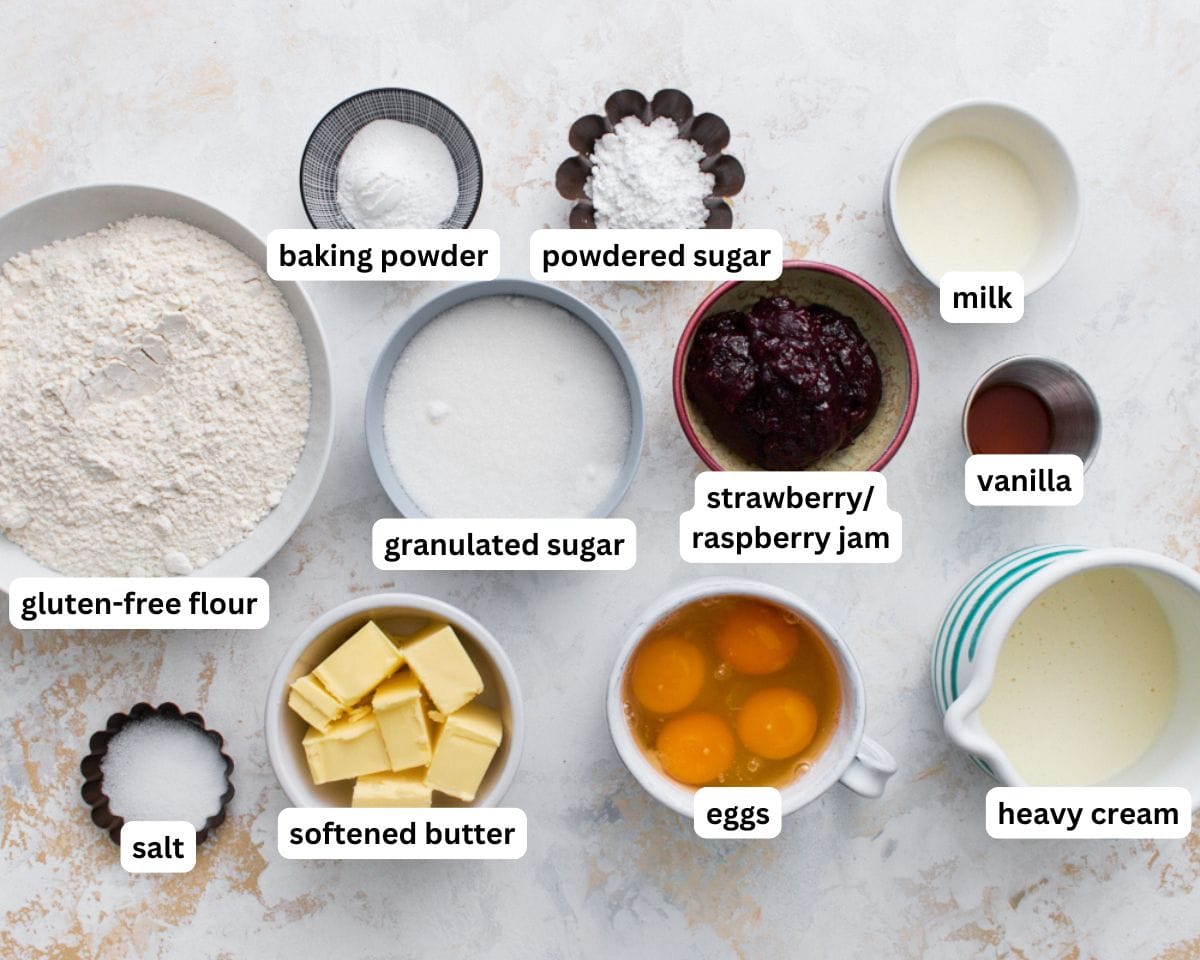
Gather the ingredients: Gather all the ingredients together and preheat your oven to 350°F (177°C). Grease two 8-inch (20cm) round cake pans and line the bottoms with parchment paper. Don’t skip the parchment. It’s your insurance against sticking.
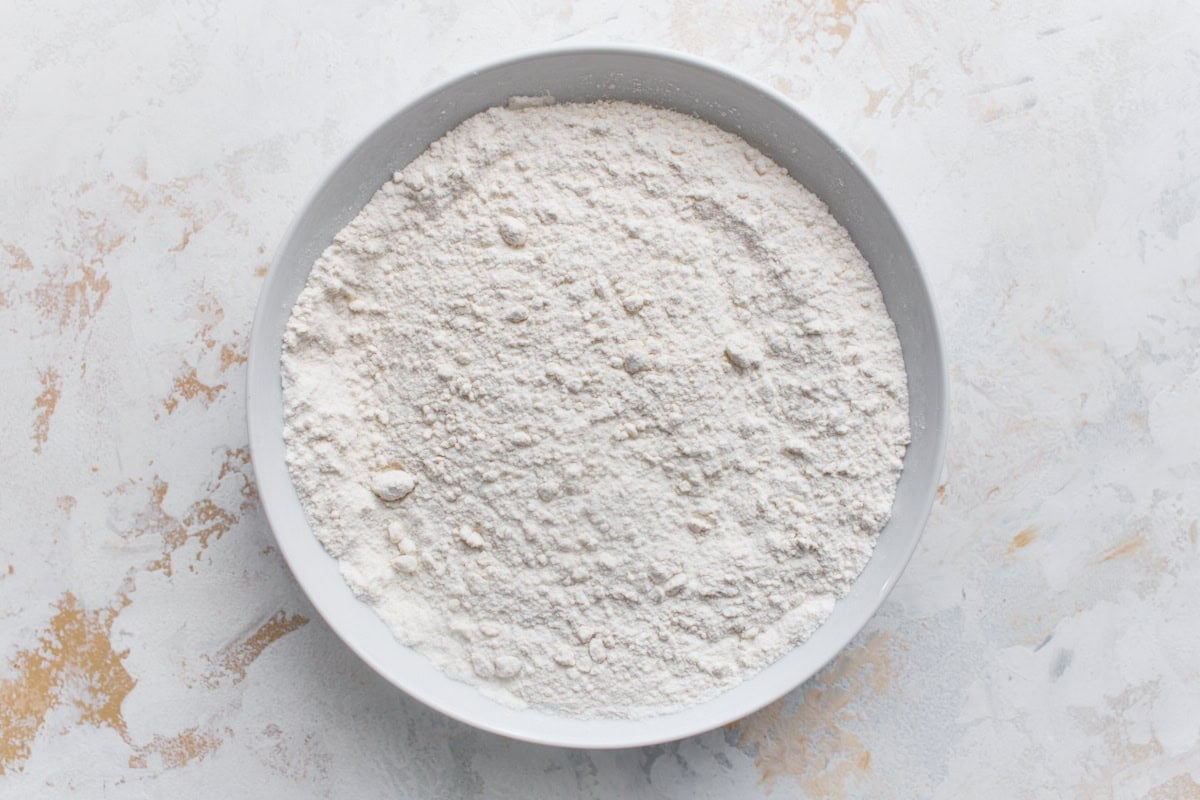
Mix the dry ingredients: In a medium bowl, whisk together 1¾ cups (245g) gluten-free flour, 2 tsp (8g) baking powder, and ¼ tsp salt. Whisking now means no baking powder pockets later.
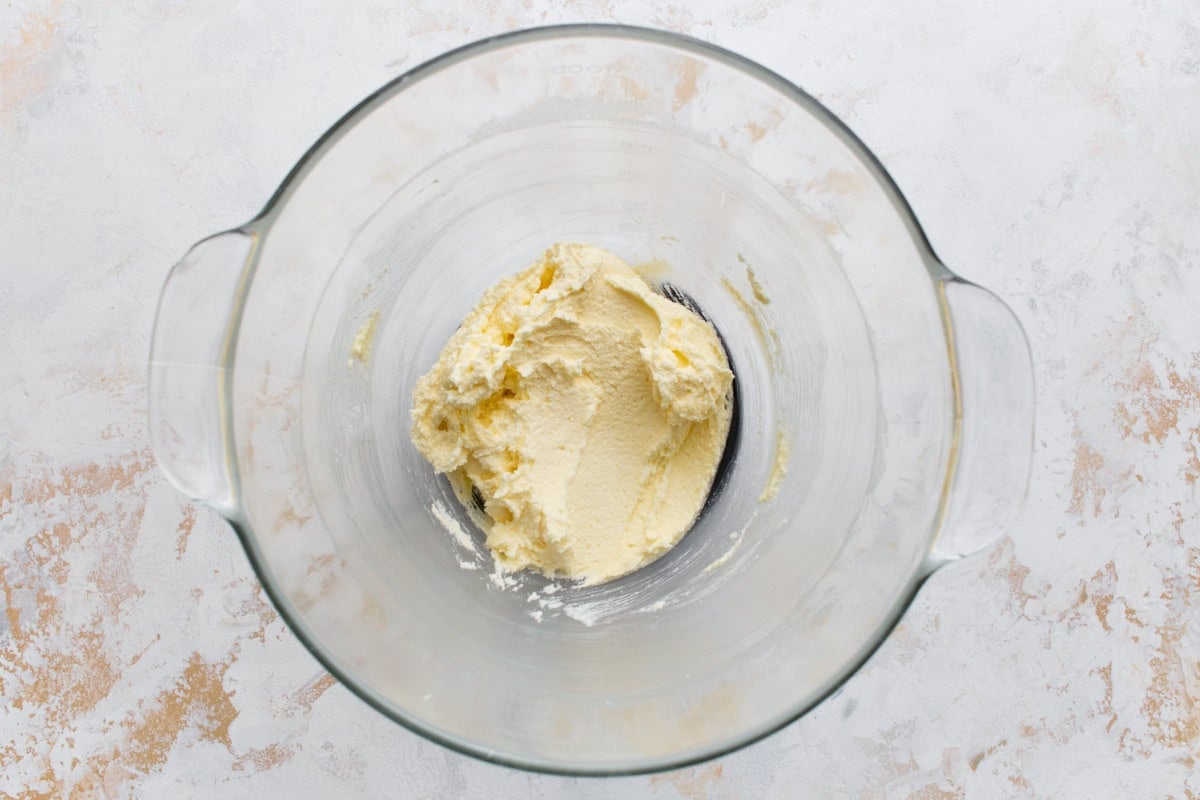
Beat the butter and sugar: In a large bowl, beat 1 cup (225g) softened butter and 1 cup (200g) granulated sugar for about 3 minutes, until the mixture is pale, light, and fluffy. It should look like soft frosting and feel airy, not greasy. This is where your cake’s lift comes from.
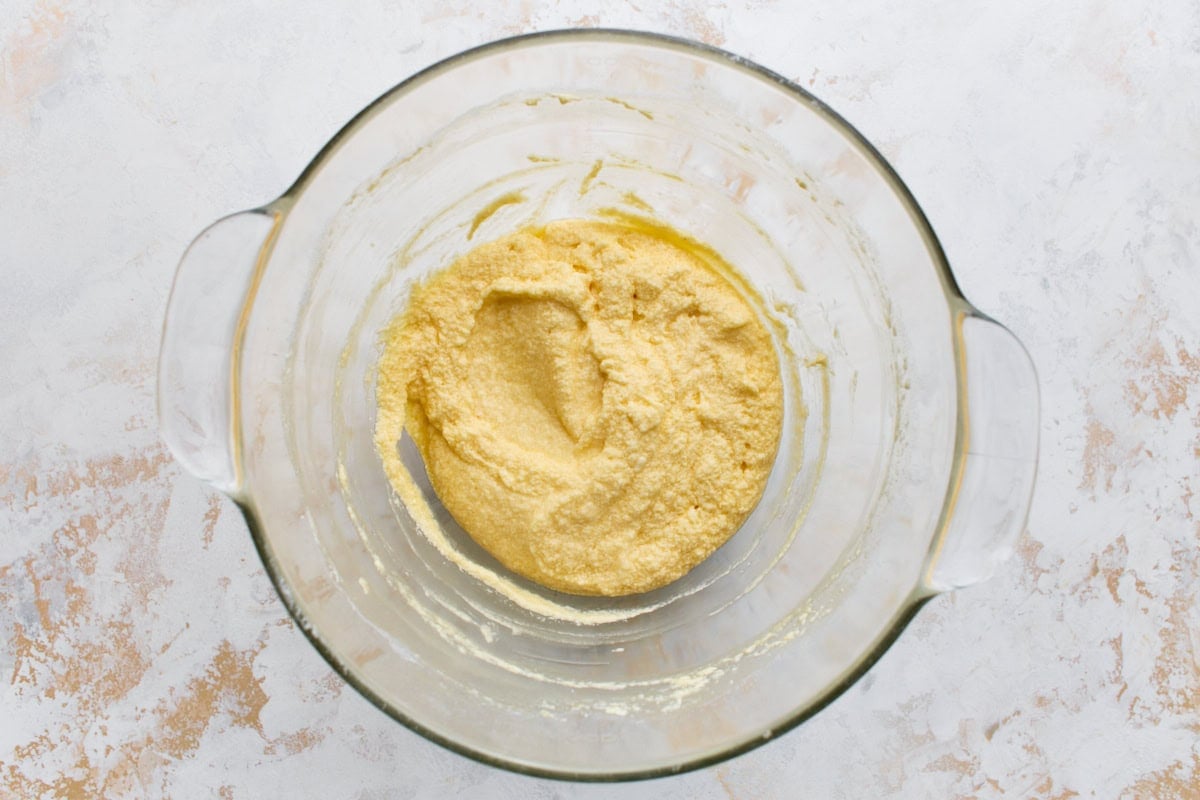
Beat in the eggs one at a time: Add 4 large eggs one at a time, beating well after each one. The mixture may look slightly curdled after the last egg, but that’s normal with gluten-free batters and will smooth out. Mix in 1 tsp (5ml) vanilla extract.
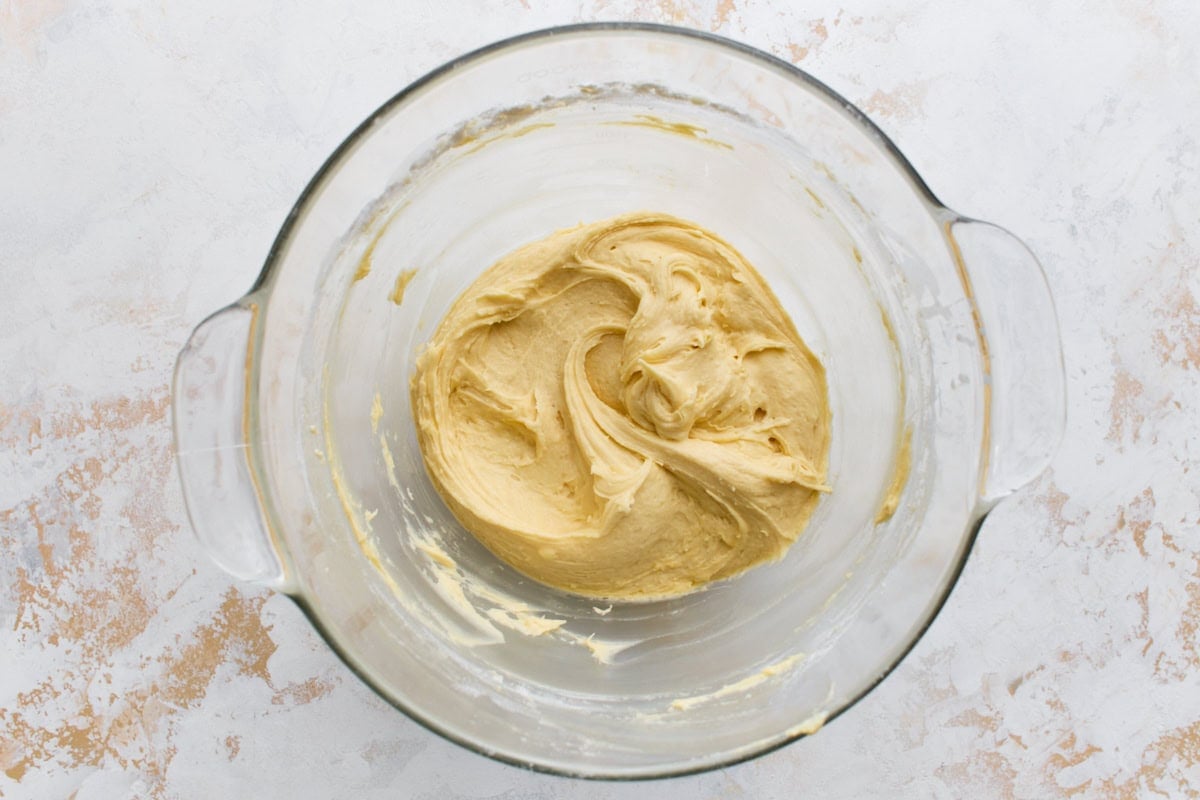
Gently fold in the flour: Gently fold in the dry ingredients with a spatula, then stir in 2 tbsp (30ml) milk just until smooth. The batter should be soft and drop slowly off the spatula. Stop mixing as soon as you no longer see streaks of flour, because overmixing knocks out the air you just worked for.
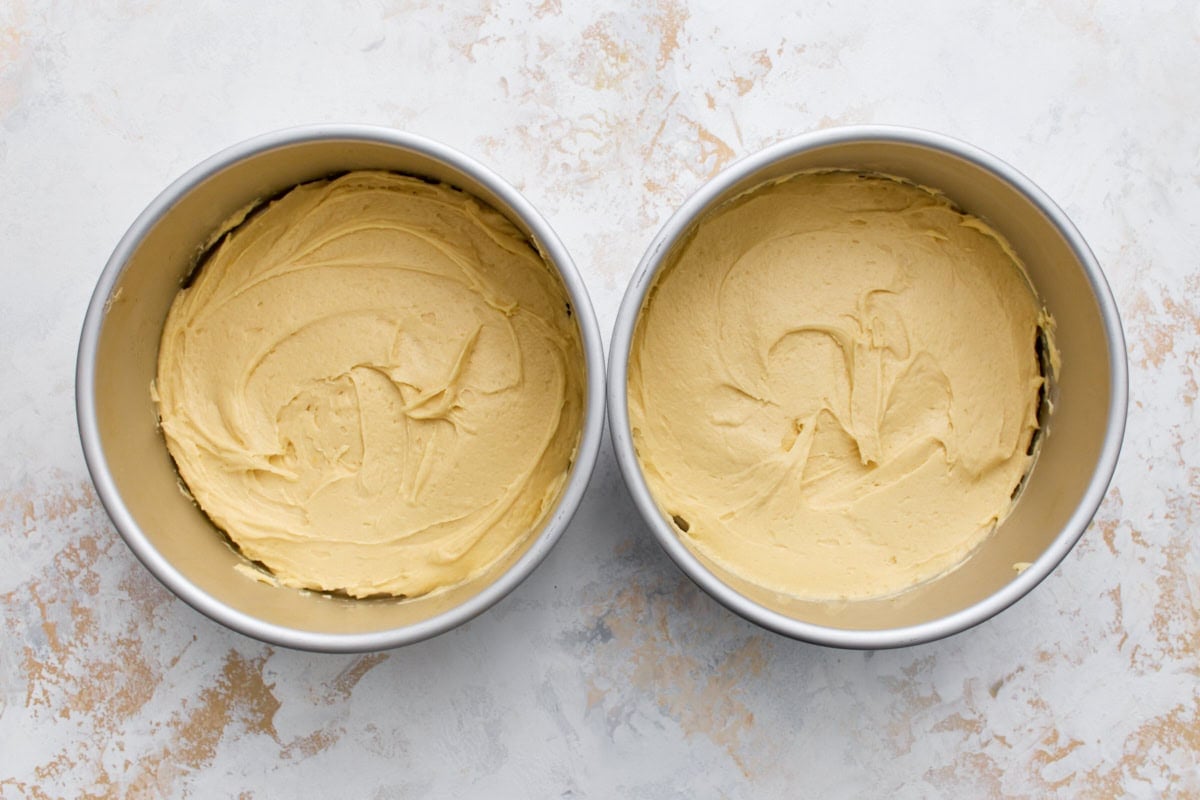
Divide the batter into the pans: Divide the batter evenly between the pans and smooth the tops. A kitchen scale makes even layers easy, but eyeballing works too.
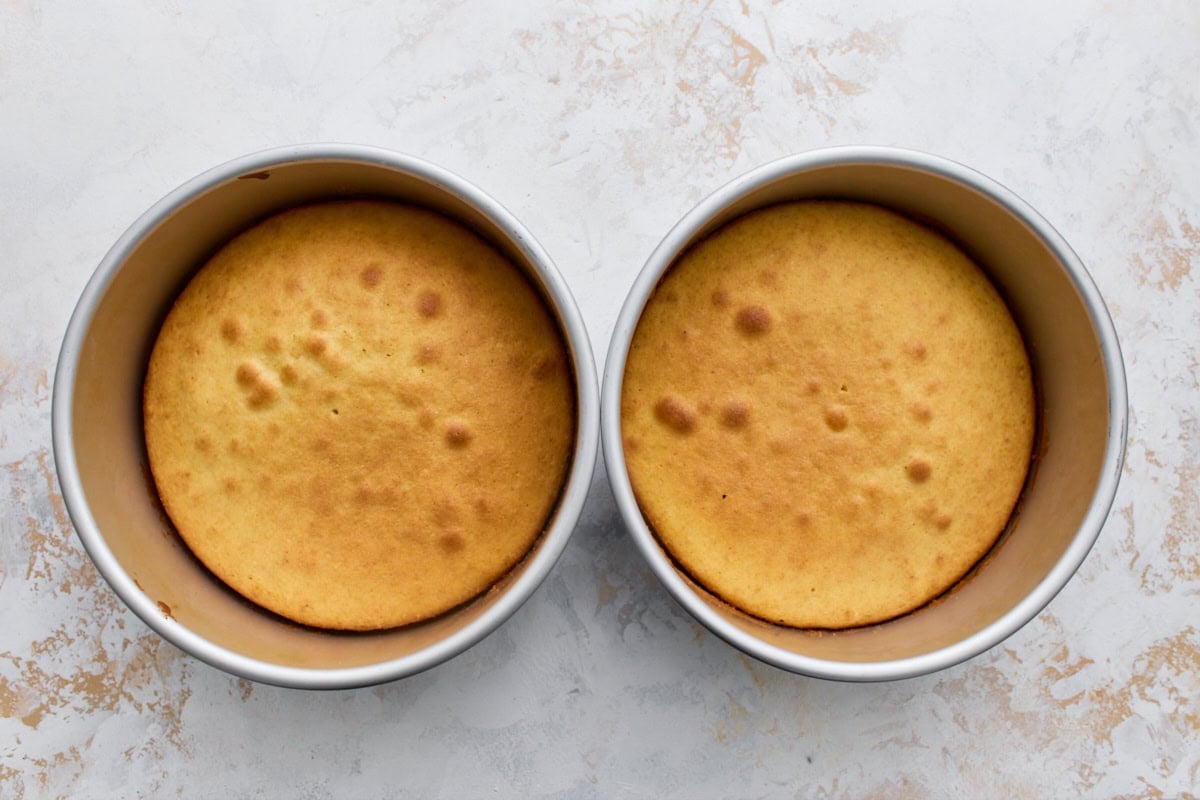
Bake the cakes: Bake for 25-30 minutes. The cakes are done when they’re golden on top, spring back lightly when touched in the center, and a toothpick comes out clean. Your kitchen will smell buttery and sweet, and that’s your cue to check.
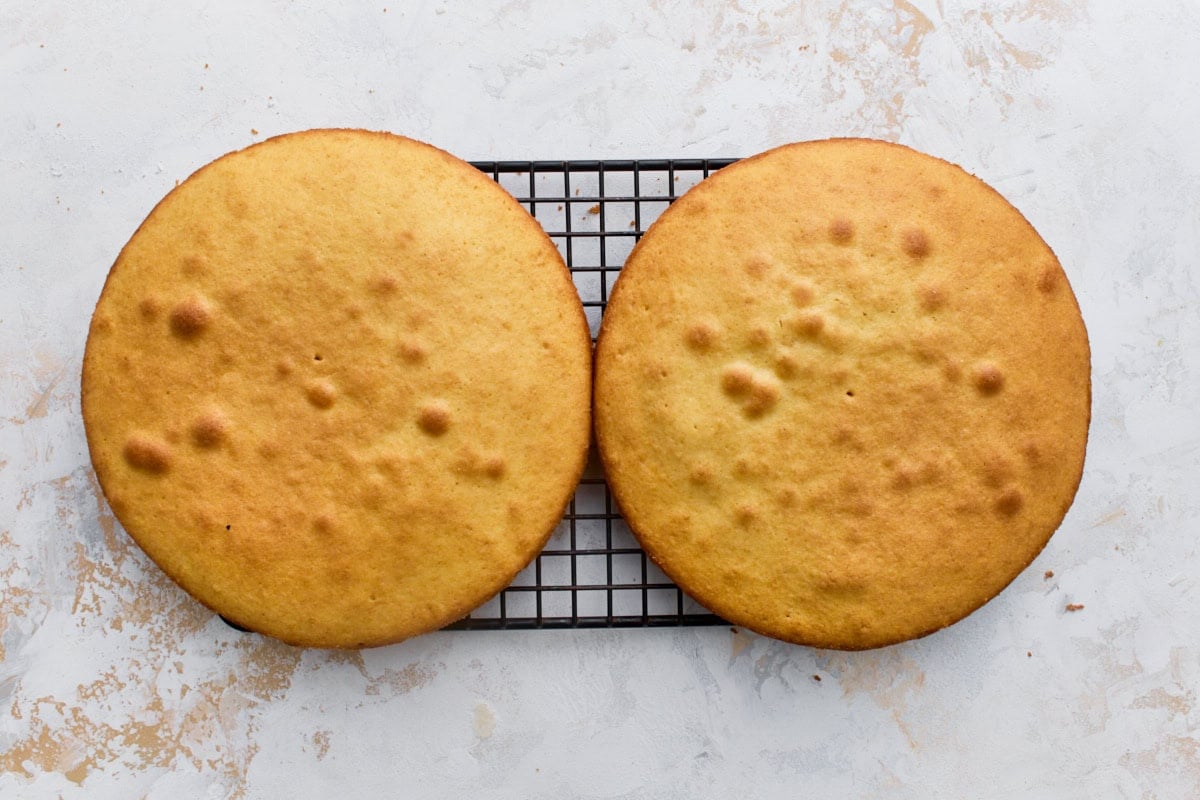
Cool the cakes: Cool the cakes in the pans for 10 minutes, then turn them out onto wire racks to cool completely. They must be fully cool before filling, or the whipped cream will melt.
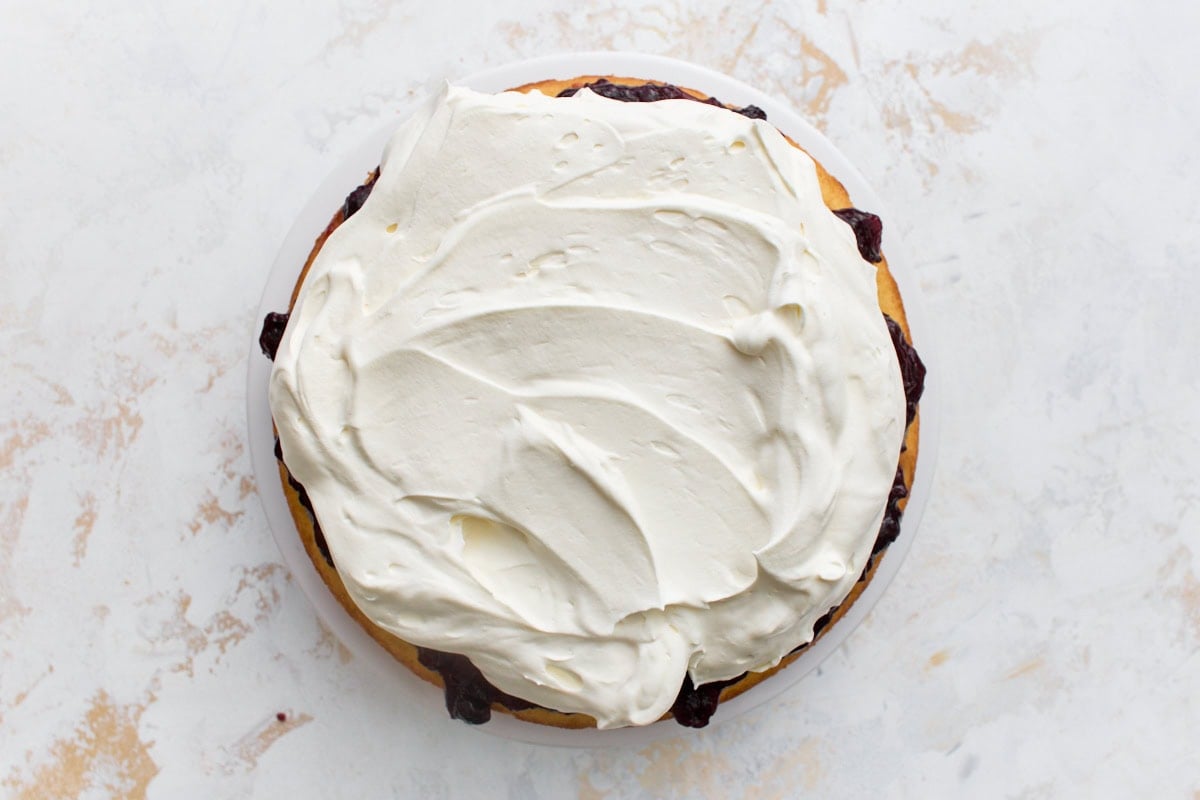
Add the jam and cream layer: Place one layer on a serving plate. Spread ½ cup (160g) jam evenly over the top, then spoon or pipe ¾ cup (180ml) whipped cream over the jam, leaving a small border at the edge so it doesn’t squish out.
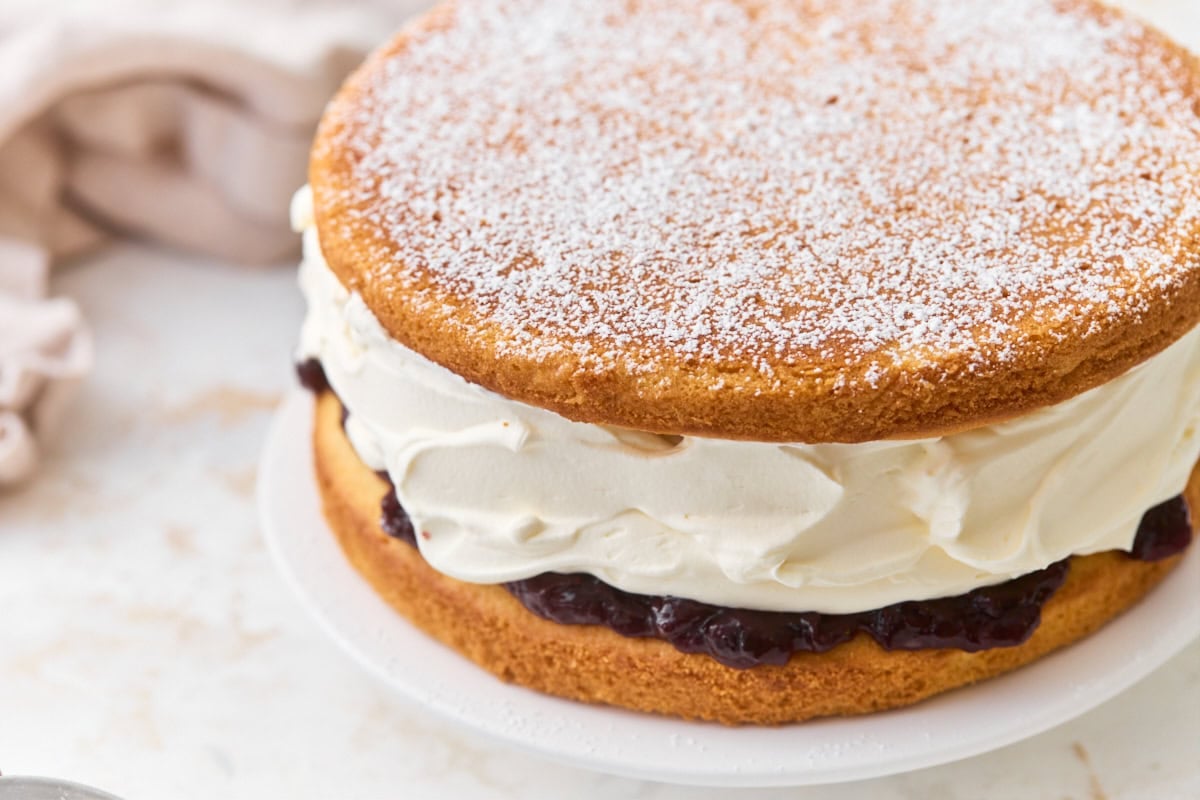
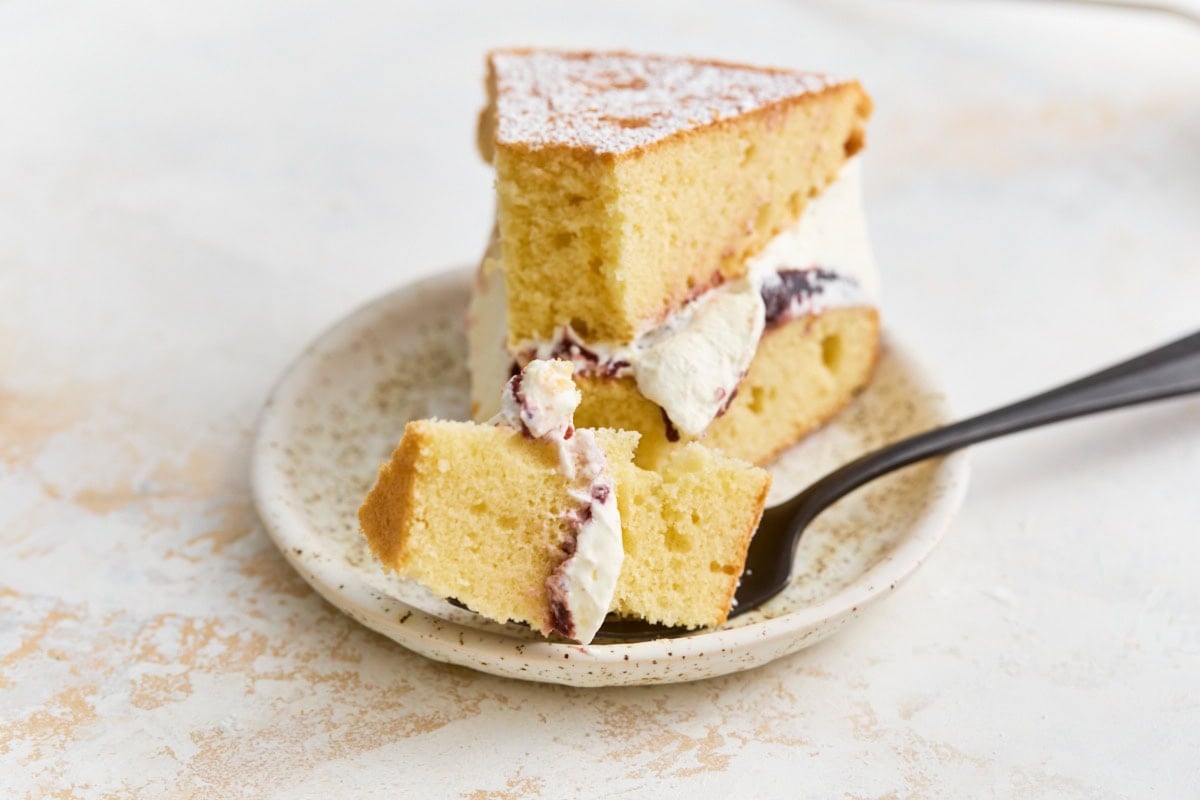
Top and finish: Top with the second layer, dust with 2 tbsp (15g) powdered sugar, and serve. That first slice of golden sponge, ruby jam, and white cream is worth a photo before anyone digs in.
Serving Suggestions
In my kitchen, the classic way is still the best way: a generous slice with a hot cup of tea in the afternoon. Victoria sponge is Britain’s original teatime cake, and I love how a strong black tea cuts through the sweet cream. It’s my little moment of calm when the house finally goes quiet. When I make this for Mother’s Day or a spring get-together, I add a few fresh strawberries or raspberries to each plate. They echo the jam, and it makes the plates feel extra special without any added work for me.
When I’m hosting a full gluten-free afternoon tea, this cake is always my centerpiece, and I round out the spread with a few of my other favorites. I bring the traditional scone course to the table with my Gluten-Free Blueberry Scones, though when I want something softer and no-fuss, I make my Almond Flour Scones instead. I usually tuck in a plate of my Gluten-Free Shortbread Cookies too, since they only take five ingredients and give everyone something buttery to nibble between cups. And when I want a bright, tart contrast to all that sweet cream, my Gluten-Free Lemon Bars are the slice I reach for every time. Together, they make the kind of tea spread I dreamed about when I first went gluten-free, and everyone at the table can eat every bite.
Storage Instructions
Because of the whipped cream filling, store the assembled cake covered (a cake dome or an inverted large bowl works well) in the refrigerator for up to 3 days. Let slices sit at room temperature for 15–20 minutes before serving. The sponge is softest when it’s not fridge-cold.
Freezer
Freeze the unfilled layers. Wrap each cooled layer tightly in plastic wrap, then foil, and freeze for up to 2 months. I don’t recommend freezing the assembled cake. The whipped cream weeps and turns watery as it thaws.
Thawing
Thaw wrapped layers on the counter for 2–3 hours, then fill and assemble. Thawing them still wrapped keeps condensation off the sponge.
Make Ahead
Bake the layers up to a day ahead and store them, well wrapped, at room temperature. Whip the cream and assemble it within a few hours of serving for the best texture. The jam layer actually helps keep the sponge moist overnight.
More Gluten-Free Layer Cakes for Celebrations
- Gluten-Free Kentucky Butter Pound Cake: Victoria sponge needs to be eaten within a few days because of the cream filling, so when I want a buttery cake that keeps, this is the one I make. The warm butter glaze soaks in and keeps it moist for days, which makes it perfect for gifting and make-ahead baking.
- Gluten-Free Yellow Cake: Once you’ve mastered creaming the butter and sugar for this sponge, my yellow cake uses the very same technique in the same two-layer format. It’s a bit richer, topped with chocolate buttercream, and just as much of a crowd-pleaser at celebrations.
- Gluten-Free Carrot Cake: My other favorite spring layer cake. If you’re baking for Easter or Mother’s Day and can’t decide between the two, the carrot cake brings warm spices and cream cheese frosting to the table, and no one ever guesses it’s gluten-free.
- Gluten-Free Lemon Cake: If you loved how light this sponge is, my lemon cake is the bright, zesty next bake. It has the same teatime feel with a bold citrus flavor and creamy lemon buttercream, and it’s one of my go-to spring desserts.







I desperately miss a Blitz Torte —my favorite birthday treat from my gluten days. I have never seen a GF recipe for it Would this sponge work do you know if you are familiar with that cake” ? I can make the other changes necessary for the meringue topping I think, and make a custard filling.
Hi Barbara, I’m not familiar with that cake so not sure if this would work. I did see a couple recipes for a GF blitz torte just by Googling. Let us know if you try this one!
Very good recipe! The cake was light and fluffy and everyone enjoyed it. It was a little on the sweet side (used strawberry jam) for me, might do lemon or raspberry next time and see if that’s less sweet