Gluten-Free Bagels

Updated


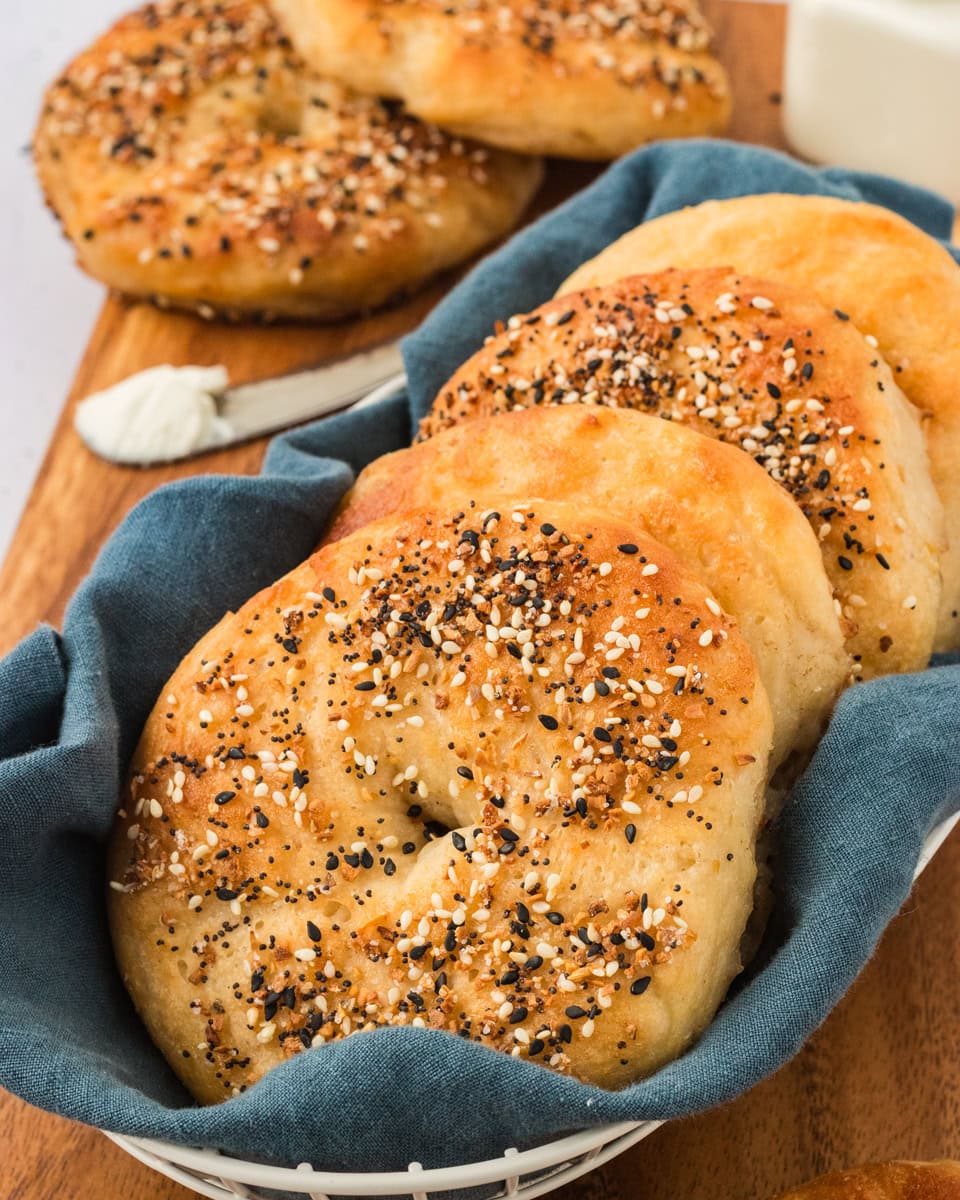
Bagels are back on the table—even if you’re gluten-free. These easy gluten-free bagels are my go-to when that classic, chewy bagel craving hits. Made with yeast, psyllium husk, and a quick boil before baking, they deliver that satisfying texture you’d expect from a bakery-style bagel, without the gluten. I’ve also included vegan and dairy-free options.
“I agree with everyone who gives these bagels FIVE STARS. They are SO much better than store-bought, and they don’t have unnecessary additives that most GF products have.”
– Michelle
Missing Bagels? Not Anymore!
I created this recipe after realizing how much I missed a good bagel—fresh from the oven, warm and chewy, or perfectly crisped up in the toaster. I love how customizable they are—add your favorite toppings like sesame seeds, poppy seeds, or everything seasoning. They freeze beautifully for quick breakfasts, and there are easy swaps to make them dairy-free or vegan. Whether you enjoy them plain, slathered with cream cheese, or stacked high as a sandwich, these bagels are just the kind of homemade comfort food love.
What I Learned While Testing
- Choose the right flour blend. I always recommend Pillsbury Gluten-Free or Better Batter—both are tried-and-true for yeast baking. Steer clear of Bob’s Red Mill 1-to-1 and King Arthur Measure for Measure, since they aren’t designed for yeast recipes and may give you disappointing results.
- Mix by hand. There’s no need for a hand or stand mixer as you can mix everything by hand in a large bowl and knead for about 10–15 minutes. It takes a bit of muscle, but it’s totally doable.
- Spoon and level the gluten-free flour. Use a large spoon to scoop the flour into a measuring cup. Then use the back of a knife to level off the top of the measuring cup. Please do not scoop the flour directly out of the bag with a measuring cup.
- Get creative with flavors. This dough is the perfect base for all your favorite bagel varieties. I love making everything bagels, sesame or poppy seed, garlic cheese, or even cinnamon raisin. Mix in or top with whatever you’re craving—the options are endless.
Homemade Gluten-Free Bagels
Ingredients
- 1 tbsp granulated sugar
- 2¼ cups warm water, 100°F-110°F (38-43°C)
- 1 tbsp instant/rapid rise yeast, I recommend Fleshman’s RapidRise Instant Yeast or Red Star Quick Rise Instant Yeast.
- 3½ cups gluten-free all-purpose flour with xanthan gum, I recommend Pillsbury gluten-free or Better Batter. It is important to use a brand of gluten-free flour that is recommended for yeast baking.
- 3 tbsp psyllium husk powder
- 2 tsp baking powder
- 1½ tsp salt
- 1 tbsp light brown sugar, packed
- 1 tsp apple cider vinegar
- ½ cup unsalted butter, melted and cooled, dairy-free/vegan use Smart Balance or vegan butter
- 2 quarts water
- ½ cup honey, vegan option use pure maple syrup
- 1 large egg white, whisked, vegan option omit this step
- 1 tbsp water
Instructions
- Pre-heat oven to 100°F (38°C) [bread proof] and spray an oven-safe bowl with gluten-free non-stick cooking spray.
- In the bowl of a stand-up mixer add the granulated sugar and warm water, stir to dissolve the sugar. Add the yeast and stir to combine. Cover with a kitchen towel and let sit for 5 minutes, until it becomes frothy.
- Add the gluten-free flour, psyllium powder, baking powder, salt, and brown sugar to the yeast mixture and beat on low speed for 2 minutes with the dough hook attachment. Add the apple cider vinegar and butter and beat on medium for 5 minutes, until the dough is sticky and stiff.
- Transfer the dough to the greased oven-proof bowl and cover with plastic wrap and then a kitchen towel. Place in the oven to rise for 20 minutes.
- Line a baking sheet with parchment paper. Turn the dough out onto the parchment paper and cut into 8 pieces. Roll each piece into a ball. Press your finger through the center of each ball to make a hole about 1 inch in diameter. Cover the shaped bagels with a kitchen towel for and let rise on the counter for 10 minutes.
- Pre-heat the oven to 425°F (218°C). Add 2 quarts of water in a large pot. Whisk in the honey (or maple syrup). Bring water to a boil, then reduce heat to medium-high. Drop bagels in the boiling water 1 at a time and boil for 30 seconds and then flip the bagel over and boil for 30 more seconds. Using a wire skimmer or slotted spoon, return the bagels to the sheet, right side up, with flat bottoms against the sheet. Repeat until all the bagels have been boiled. In a small bowl whisk together the egg white and water. Brush the tops and the sides of the bagels with the egg white mixture. Sprinkle with seasoning if desired.
- Bake the bagels on the middle rack for 10 minutes and then turn the baking sheet and bake for an additional 15 minutes, until the tops are golden brown and the internal temperature reaches 180°F (82°C). Please watch your oven because all ovens are different. Remove from the oven and allow bagels to cool on the baking sheet for 20 minutes before serving. Enjoy!
Nutrition
Nutrition information is automatically calculated, so should only be used as an approximation.
How To Make Gluten-Free Bagels Step by Step
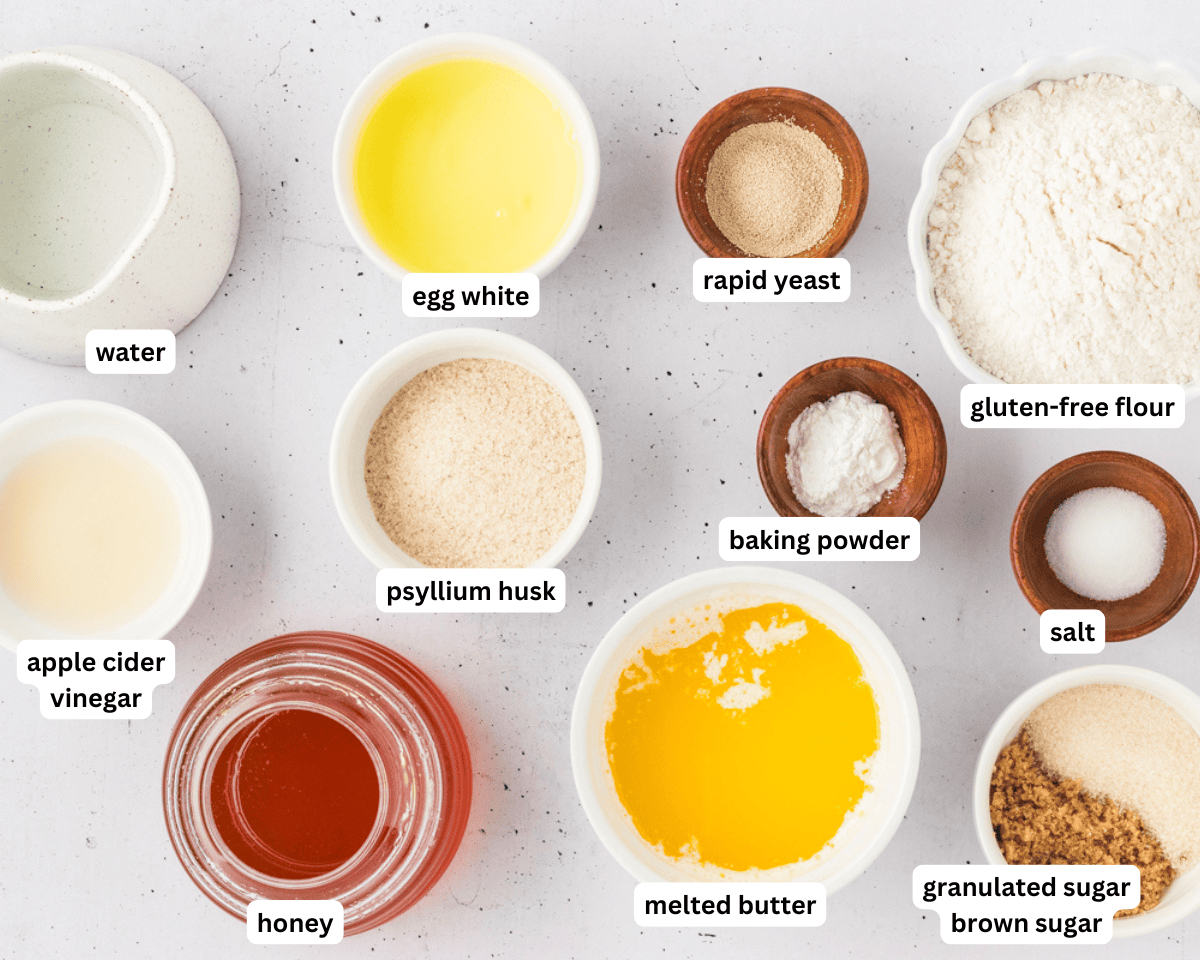
Gather the ingredients: Gather all the ingredients together.
Prep the oven and bowl: Preheat your oven to 100°F (38°C, bread proof setting if available). Lightly spray an oven-safe bowl with gluten-free non-stick cooking spray; this helps prevent the dough from sticking, and set aside.
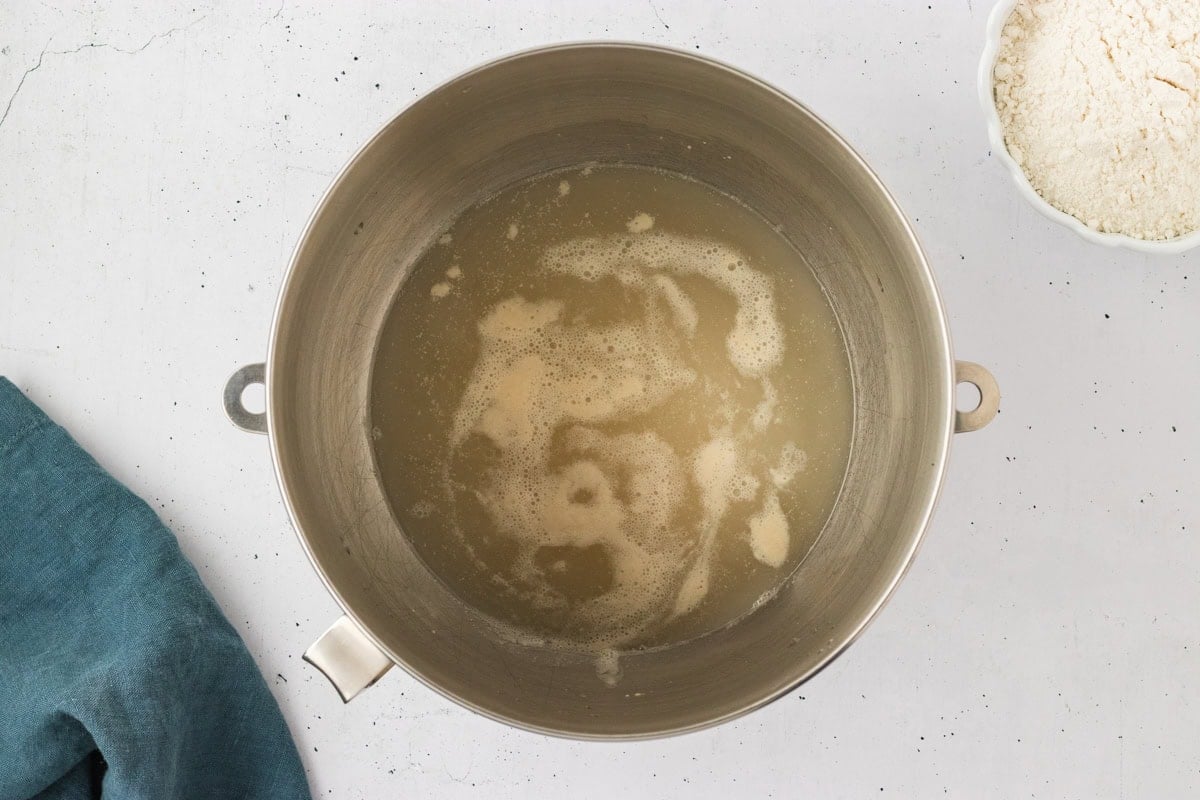
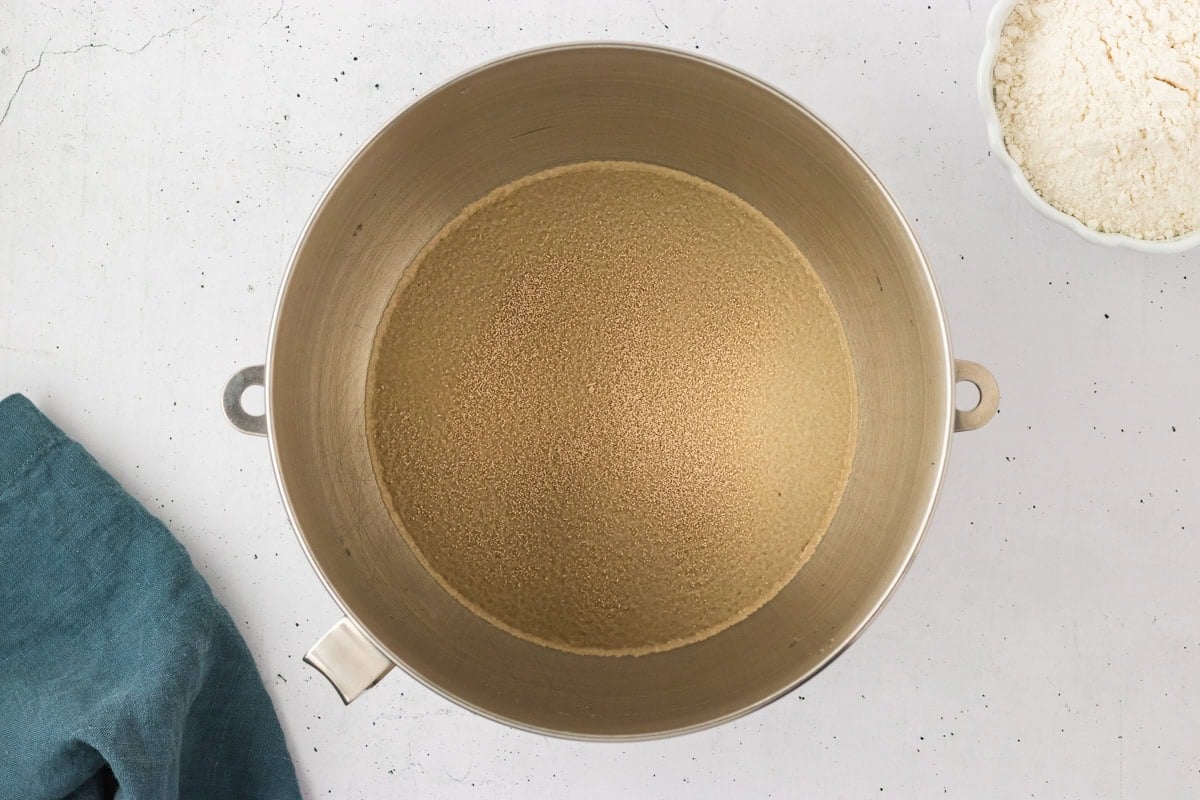
Activate the yeast: In the bowl of a stand mixer, combine 1 tbsp (12g) granulated sugar, which helps to activate the yeast, with 2¼ cups (540 ml) warm water (between 100°F–110°F or 38°C-43°C). Use a thermometer to accurately measure the temperature so the yeast activates properly. Stir to dissolve the sugar, then add 1 tbsp (9g) instant or rapid-rise yeast (such as Fleischmann’s RapidRise or Red Star Quick Rise). Stir to combine, cover with a kitchen towel, and let sit for 5 minutes, or until the mixture becomes frothy.
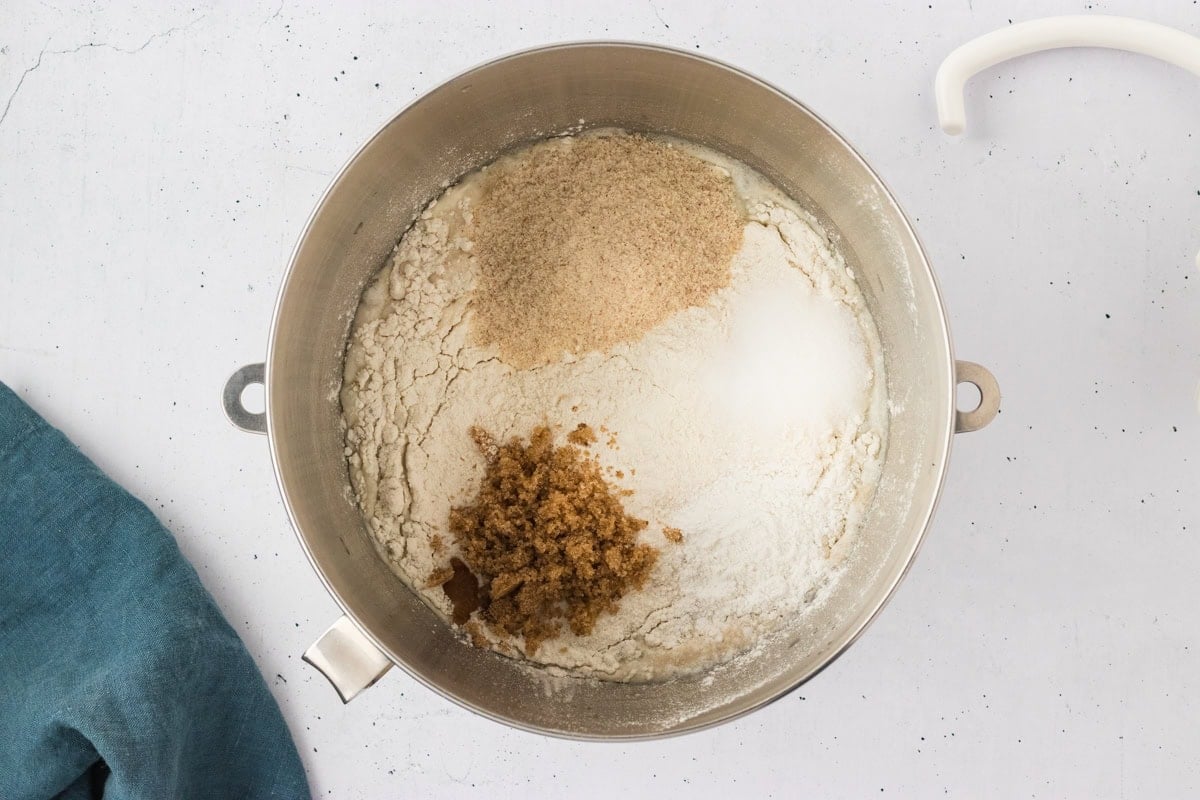
Mix the dough: Add 3½ cups (420g) gluten-free all-purpose flour with xanthan gum, 3 tbsp (24g) psyllium husk powder (this helps with the elasticity of the dough), 2 tsp (8g) baking powder, 1½ tsp (8g) salt, and 1 tbsp (12g) packed light brown sugar to the yeast mixture. Using the dough hook attachment, beat on low speed for 2 minutes.
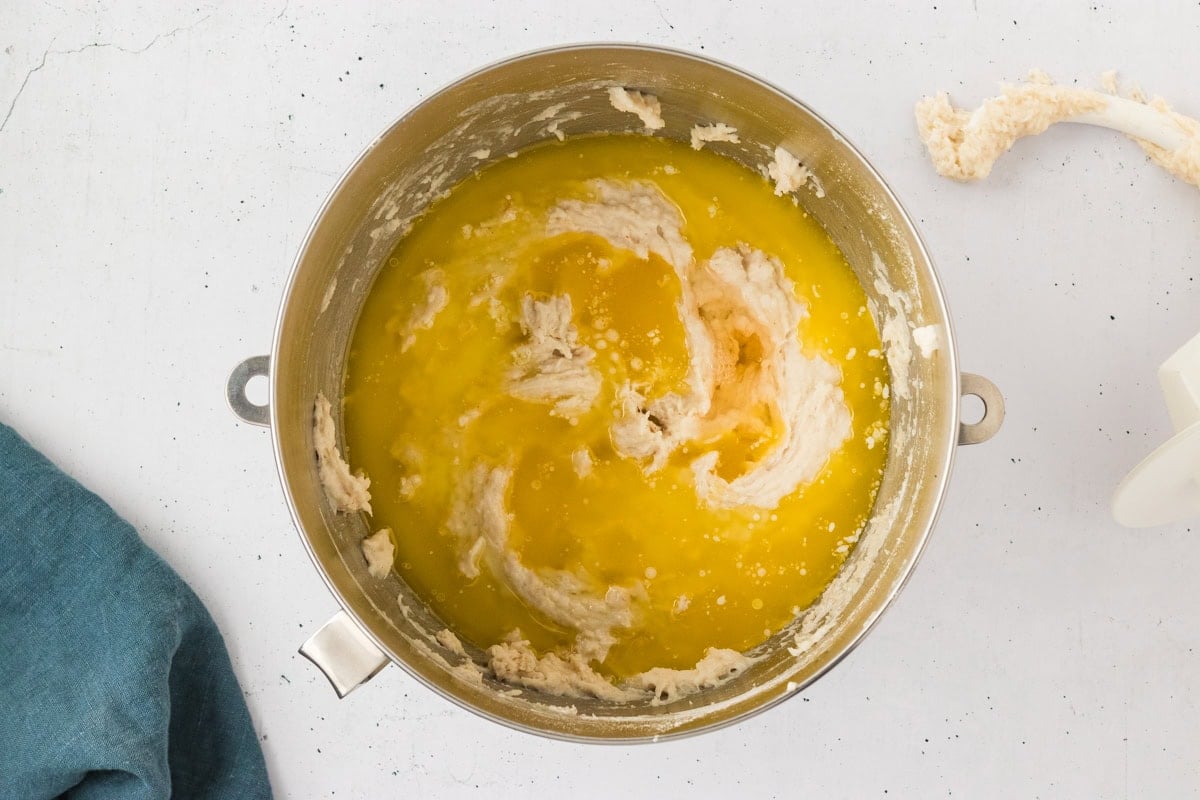
Mix in the butter: Add 1 tsp (5 ml) apple cider vinegar and ½ cup (227g) melted and cooled unsalted butter (or dairy-free alternative). Increase the speed to medium and beat for 5 minutes, until the dough is sticky but stiff.
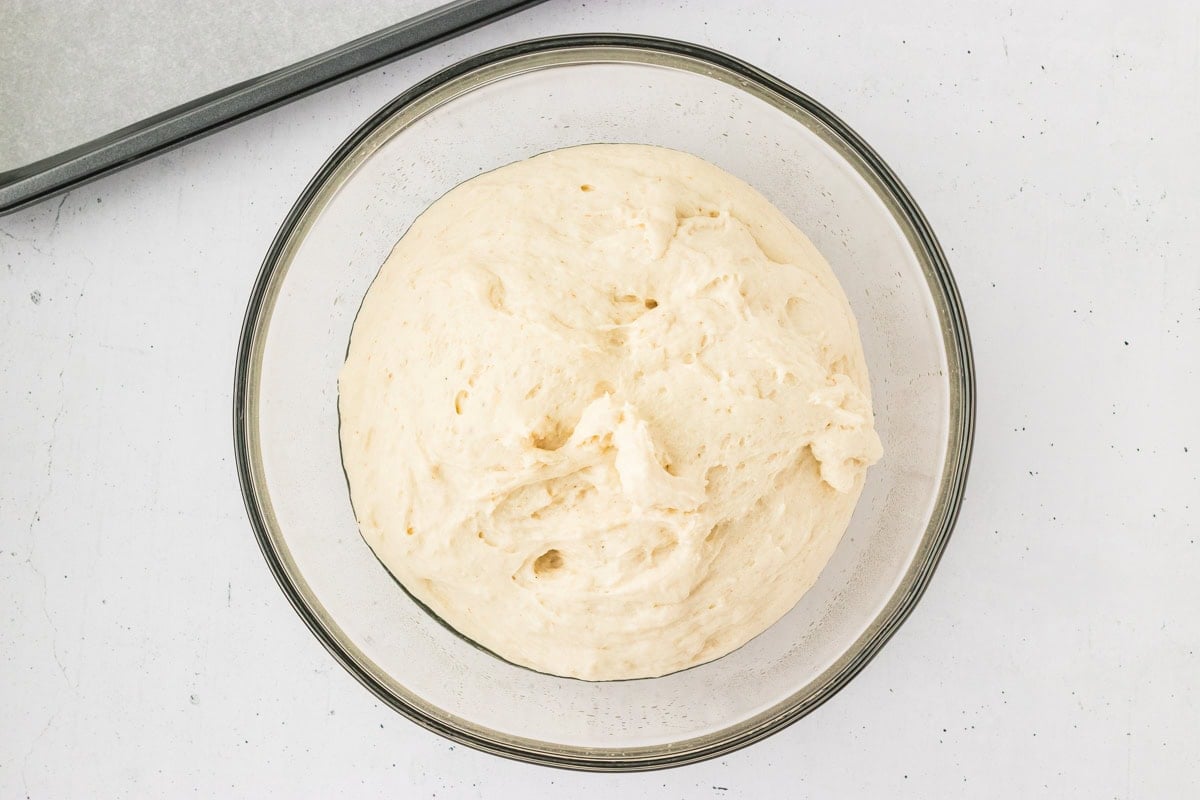
First rise: Transfer the dough to the greased bowl. Cover with plastic wrap and a clean kitchen towel. Let it rise in the warm oven for 20 minutes.
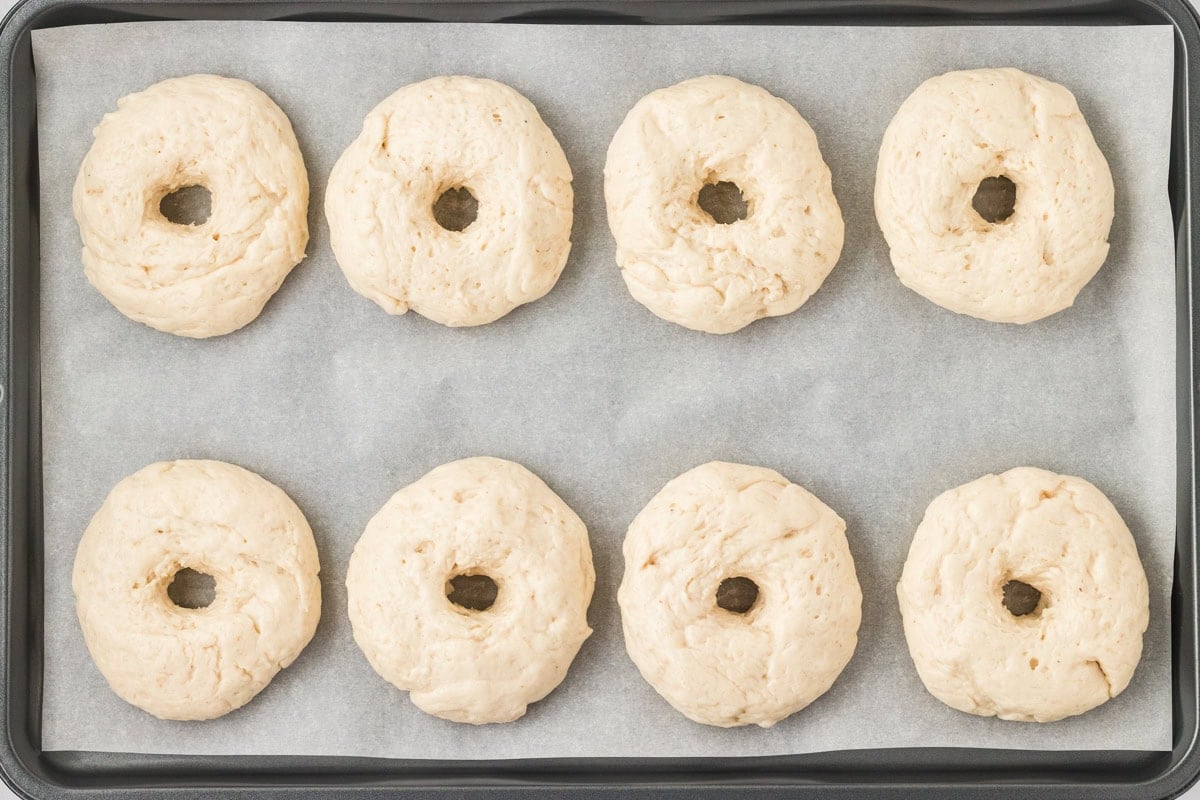
Shape the bagels: Line a baking sheet with parchment paper. Turn the dough out onto the sheet and divide it into 8 equal pieces. Roll each piece into a ball, then use your finger to poke a hole through the center of each, gently widening the hole to about 1 inch (2.5 cm). Cover the shaped bagels with a towel and let them rise on the counter for 10 minutes.
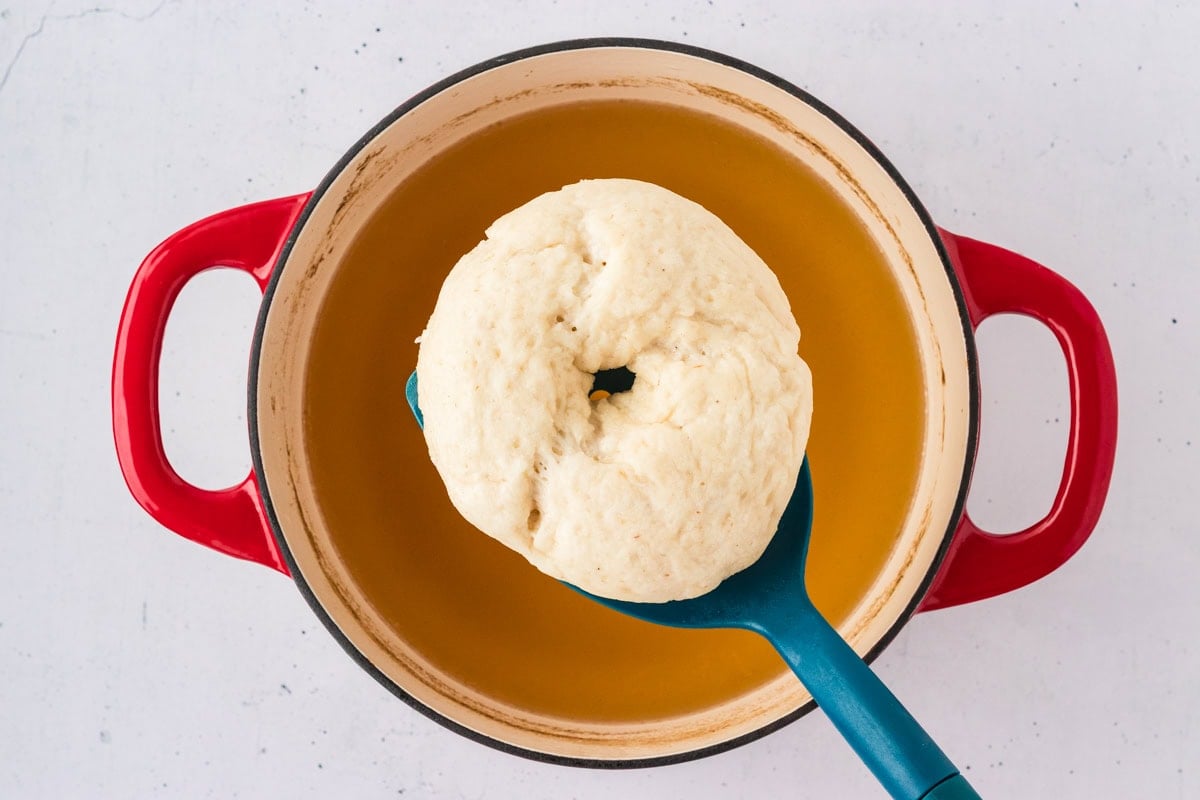
Boil the bagels: Preheat your oven to 425°F (220°C). In a large pot, add 2 quarts (1.9 L) water and whisk in ½ cup (85g) honey. Bring the water to a boil, then reduce the heat to medium-high. Boil the bagels one at a time for 30 seconds, flip, and boil another 30 seconds. This helps create the chewy and dense texture of the bagels. Use a slotted spoon or skimmer to transfer each bagel back to the parchment-lined sheet, flat side down.
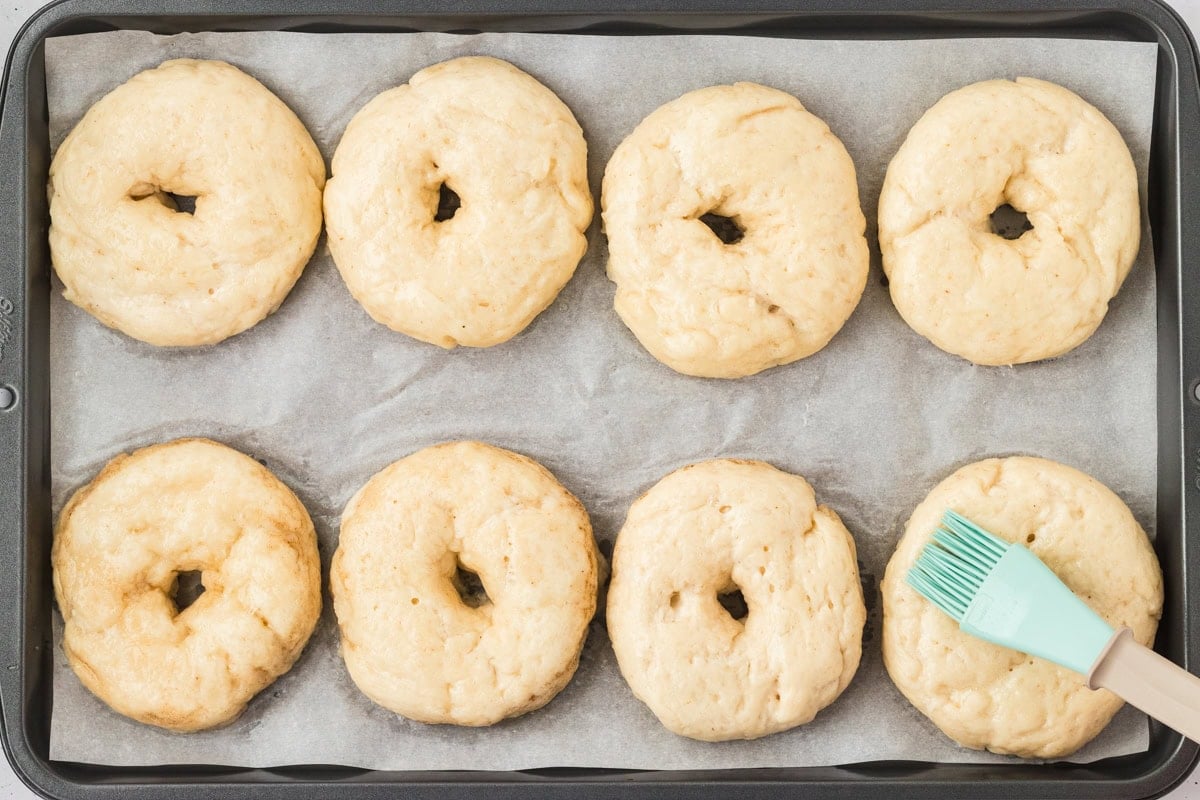
Egg wash: In a small bowl, whisk together 1 large egg white and 1 tbsp (15 ml) water. Brush the tops and sides of each bagel with the egg wash.
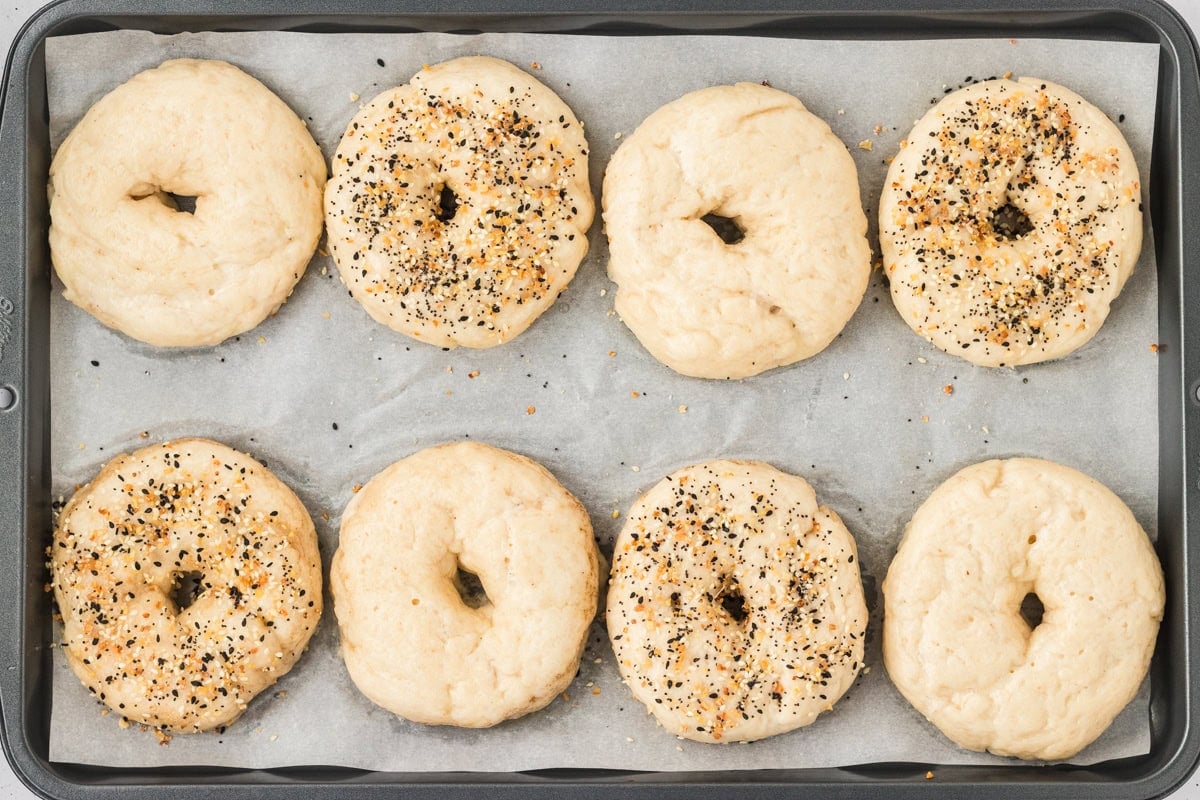
Add toppings: Add any toppings like everything bagel seasoning, sesame seeds, or cinnamon sugar. See more flavor ideas below!
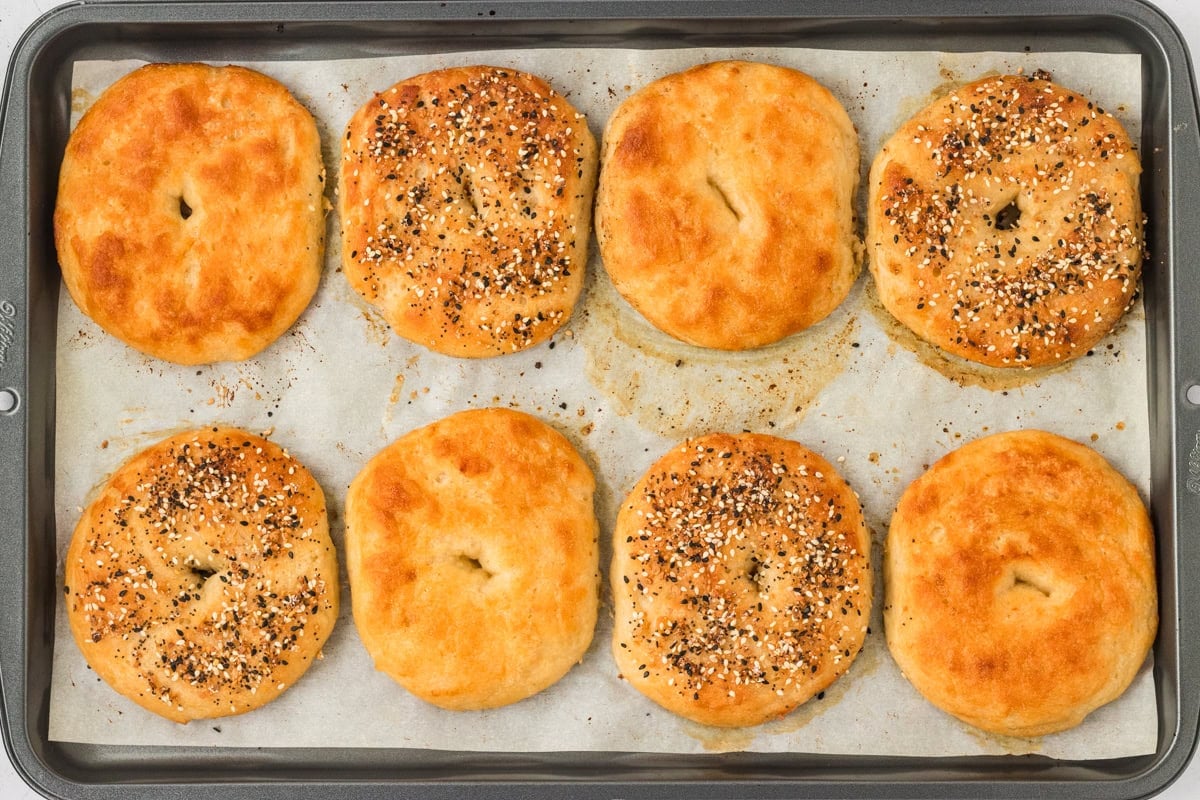
Bake: Bake on the middle rack for 10 minutes, then rotate the baking sheet and bake for another 15 minutes, or until the tops are golden brown and the internal temperature reaches 180°F (82°C). Keep an eye on them, as oven temps can vary.
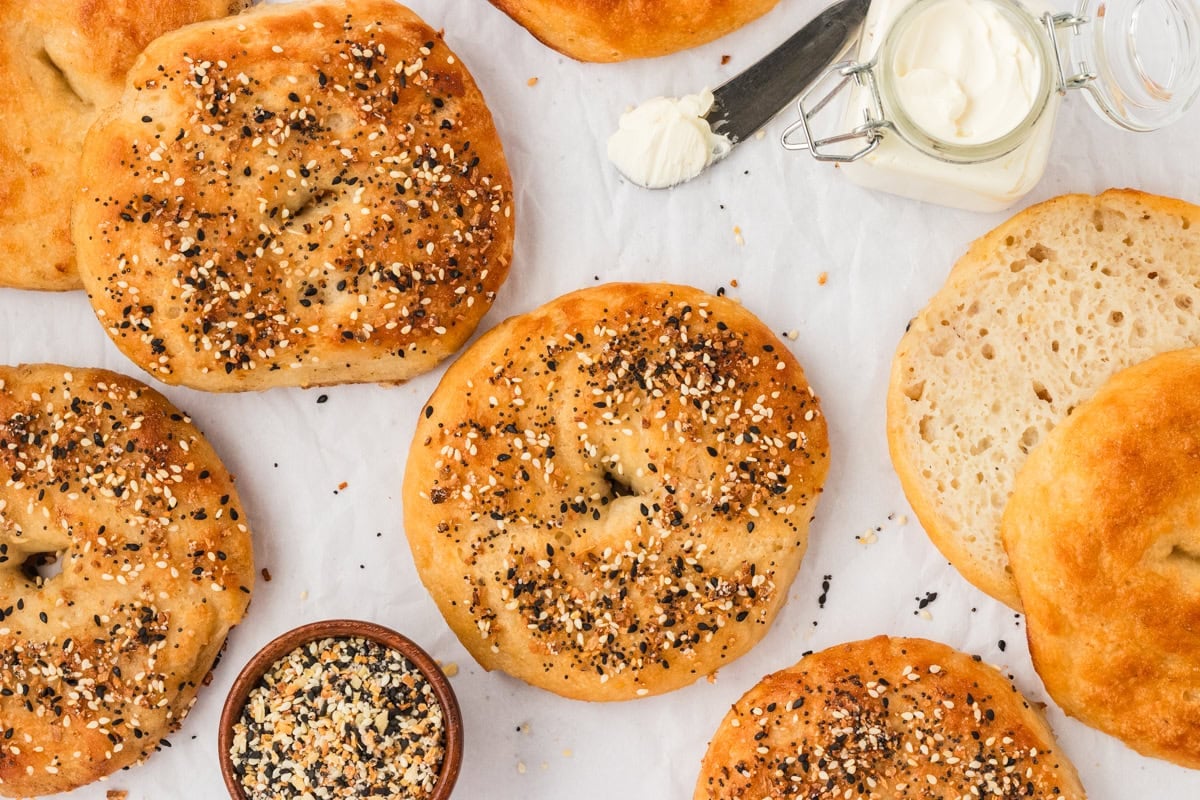
Cool: Let the bagels cool on the baking sheet for at least 20 minutes before serving.
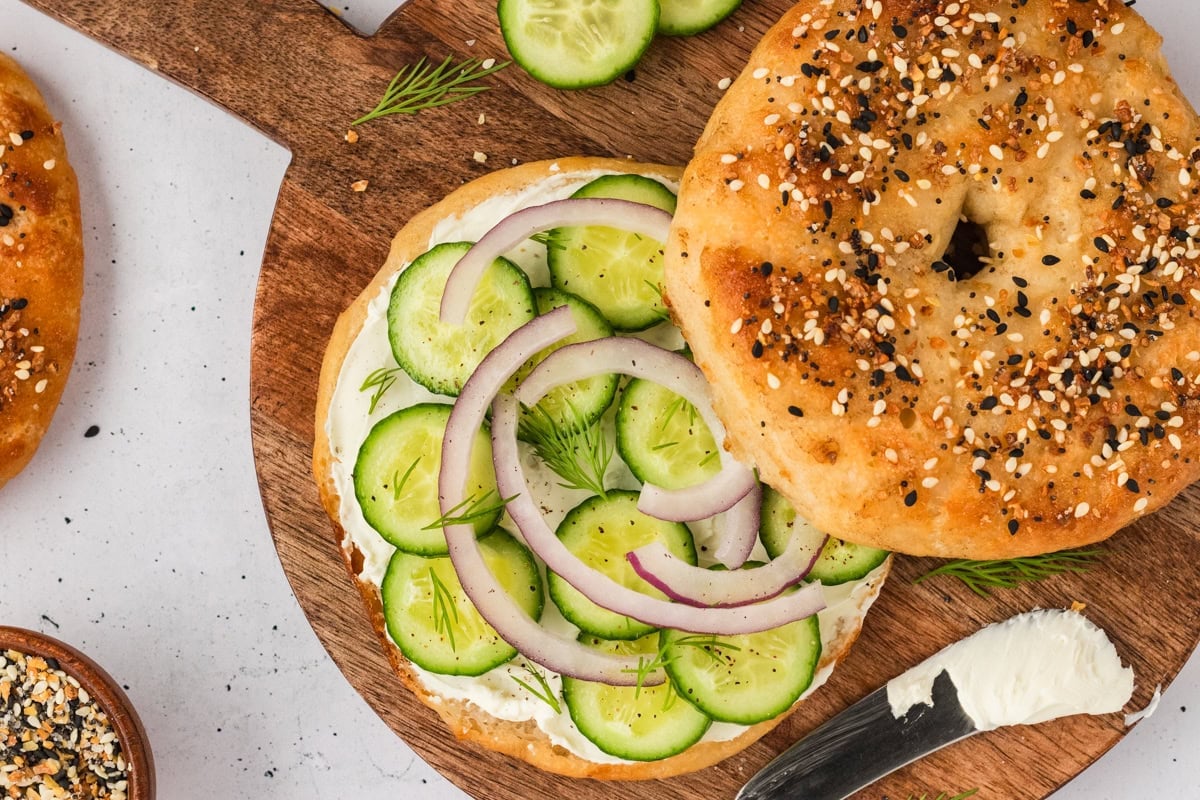
Serve or store: Once fully cooled, serve or store them in an airtight container at room temperature for up to 3 days.
Recipe Variations and Substitutions
Dairy-Free: To make these bagels dairy-free, swap the butter for a dairy-free butter like Smart Balance.
Vegan: For vegan bagels, use a vegan butter and swap the honey for pure maple syrup and skip the egg wash.
Egg-Free: For egg-free bagels, simply omit the egg wash at the end.
Low Carb: Make keto bagels using a combination of almond flour and cheese.
Flavor Varieties
This gluten-free bagel dough can be easily turned into your favorite flavor:
- Everything Bagels
- Sesame Seed Bagel
- Poppy Seed Bagels
- Blueberry Bagels
- Cinnamon Raisin Bagels
- Chocolate Chip Bagels
- Cheese Bagels
- Garlic Bagels
Serving Suggestions
One of my favorite ways to enjoy these gluten-free bagels is fresh out of the oven, still warm, with a generous swipe of cream cheese. They’re perfect for breakfast, lunch, or honestly, anytime I need a cozy, satisfying bite. I love topping them with avocado and a sprinkle of flaky salt, or turning them into a sandwich stacked with turkey, crisp lettuce, and mustard. You can even go sweet with almond butter and sliced banana. Whether you toast them up for a quick weekday breakfast or serve them as part of a weekend brunch spread, these bagels fit right in.
When I serve these bagels for a weekend brunch, I’ll usually add in a savory gluten free quiche, or a hearty and satisfying gluten free breakfast casserole. And everyone loves it when I serve these soft and fluffy gluten-free cinnamon rolls.
Storage Instructions
I like to store any leftover bagels in an airtight container right on the counter—they stay fresh for up to 3 days that way.
If you want to save some for later, just wrap each one individually and pop them in the freezer. They’ll keep well for up to 3 months.
When you’re ready to enjoy one, thaw it at room temperature, then toast it up or warm it in the oven until it’s perfectly soft and golden again.
More Gluten-Free Breakfast Ideas
- These Buckwheat Waffles are crispy on the outside, tender on the inside, and are made with simple pantry ingredients.
- This Keto Granola is a low-carb, grain-free granola that bakes up crisp and golden.
- This savory Crustless Ham and Cheese Quiche comes together with everyday ingredients for that classic quiche flavor.







I have made this recipe several times and really liked it. But I am having trouble finding pillsbury gf flour. According to their website they have stopped making it. And suggestions on another flour to use.
I have also purchased your cookbook
Hi Pam, you can also try Better Batter
Thank you
In the past when I’ve tried to make yeast products they never seem to raise correctly. Any suggestions on how to get products to raise as recommended. Thank you🤔
Hi Vick, Since this recipe uses instant yeast, the biggest things to check are temperature, freshness, and dough consistency. Make sure your water is warm (about 105–110°F), not hot. Too hot can weaken the yeast, and too cool will slow the rise. Even with instant yeast, warmth matters — if your kitchen is cool, let the dough rise in the oven with just the light on. Also check that your yeast is fresh. If it’s been opened for a while, it may have lost strength. Finally, the dough should be soft and slightly tacky. If it’s too dry or stiff (often from too much flour), it won’t rise well. Gluten-free dough won’t always double in size, but it should look noticeably puffy before baking.
I baked the bagels and they were very tasty. The dough had a perfect consistency and taste.
I used my own blend of flours (millet, rice, buckwheat and tapioca) that I use for baking gluten free bread. Apparently it works also for the bagels.
I wonder why we use in this recipe a baking powder and an apple cider vinegar?
Could you please Audrey tell me what role these ingredients play in the recipe?
Hi Agnes, the baking powder helps the bagels rise, while the acv works with the yeast to give the dough struture and better texture.
I’ve been GF for 3 years. I’ve learned with most recipes to “trust the process” – the consistency etc just won’t be the same has traditional baking and that’s a hurdle to overcome. Anyways, I followed the recipe to a T and felt like the dough was overly wet and sticky. I let it rise and then tried to work it but it was impossible. Too wet and falling apart. I didn’t even get an opportunity to try and bake it. Ended up throwing the dough away in frustration. I’ve tried other bagel recipes that were much easy to work with and will stick to those
We are sorry this recipe didn’t turn out for you Carly!
I have yet to attempt but wanted advise on a Blond Husk….Anthony’s a good choice. Also, my client requires low sodium and I noticed this recipe offers that but when reviewing the Nutritional facts the content on sodium is really hit! Are there any other contributing factors to the sodium in this recipe other than the salt?
Hi Wanda, surprisingly, there are about 55mg of sodium in the egg whites and 848mg in the baking powder. Those are the only other major sources of sodium besides the salt itself, which has 3488mg in 1.5 teaspoons.
These have a really good flavor. I didn’t make any substitutions and followed the recipe and used Pillsbury gf flour. They were still on the gummy side. Need help knowing why??? It’s a great recipe besides the gumminess. How can this be fixed?
A sticky, gummy crumb is usually the result of underbaking. We recommend giving them a bit more time in the oven!
Excellent.
Nice taste and texture.
is the use of psyllium husk powder really necessary? could i use King Arthur GF bread flour? thanks!
Hi Cindy! Other commenters have had success using ground flax seed instead of psyllium husk. This recipe was tested using Pilsbury gluten free flour, so I can’t guarantee how it would turn out with another flour.
I’ve used King Arthur, it is not a good yeast bread flour. I personally use Bloomfield Farms all purpose gf baking mix.
Hello Audrey,
You sure did it!!! Better than 5 other recipes I have tried. I use King Arthurs GF flour blend and the bagels turn out purple? Delicious… but purple. Has anyone else had that issue? I thought it may be from the pysillium husk powder so I tried a batch with only 1 Tblsp and they were definitely stickier to work with. Still delicious. Any suggestions to make them not purple?
Please keep up the awesome GF recipes…. we need you 🙂
Jackie, I had the same experience with purple bagels… After researching a bit online, I see there is “blond” psyllium husk. My psyllium powder had a dark grey color before baking.
Good job on figuring out how to make Gluten free Dairy free Bagels. I miss bagels but on top of Gluten intolerance I have developed a bakers yeast allergy.