Gluten-Free Lemon Meringue Pie

Published



This gluten-free lemon meringue pie features a bright, tangy lemon custard filling topped with a cloud of airy meringue and baked in a crisp gluten-free pie crust. Each bite is loaded with fresh lemon flavor, balancing the creamy custard filling with the light, fluffy meringue topping. This is a classic citrus dessert made completely from scratch and perfect for spring gatherings, holidays, or anytime you’re craving something sweet, tart, and refreshing.
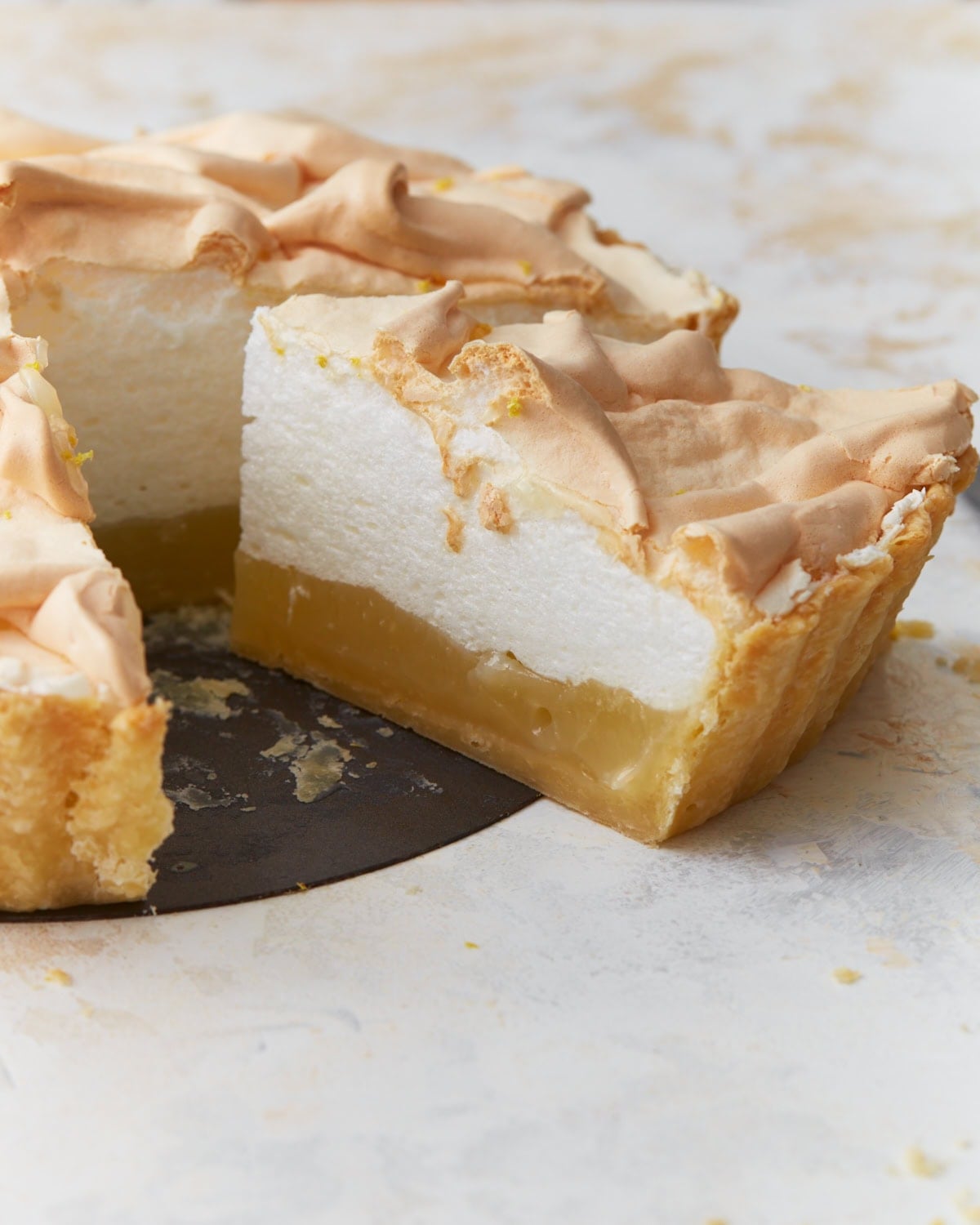
Fresh lemon is such a powerhouse in desserts, and this gluten-free lemon meringue pie is one I keep coming back to when I want something bright and classic. Working with meringue can be intimidating, but I’m here to show you that even the newest bakers can create the fluffiest meringue. I make the lemon filling from scratch using fresh lemon juice, egg yolks, and cornstarch, so it cooks into a thick, silky custard that slices cleanly once chilled. One technique that makes a big difference is spreading the meringue over the hot lemon filling. This helps the topping cook from the bottom and prevents the watery layer that sometimes happens with meringue pies. I also fully blind bake the gluten-free crust so it stays crisp under the creamy filling. If you try this pie, I’d love to hear how it turns out for you in the comments.
What I Learned While Testing
- Fully blind bake the crust. Gluten-free crusts are more delicate than traditional wheat crusts and can soften quickly once the filling is added. Baking the crust completely before adding the filling helps keep the bottom crisp and prevents a soggy texture.
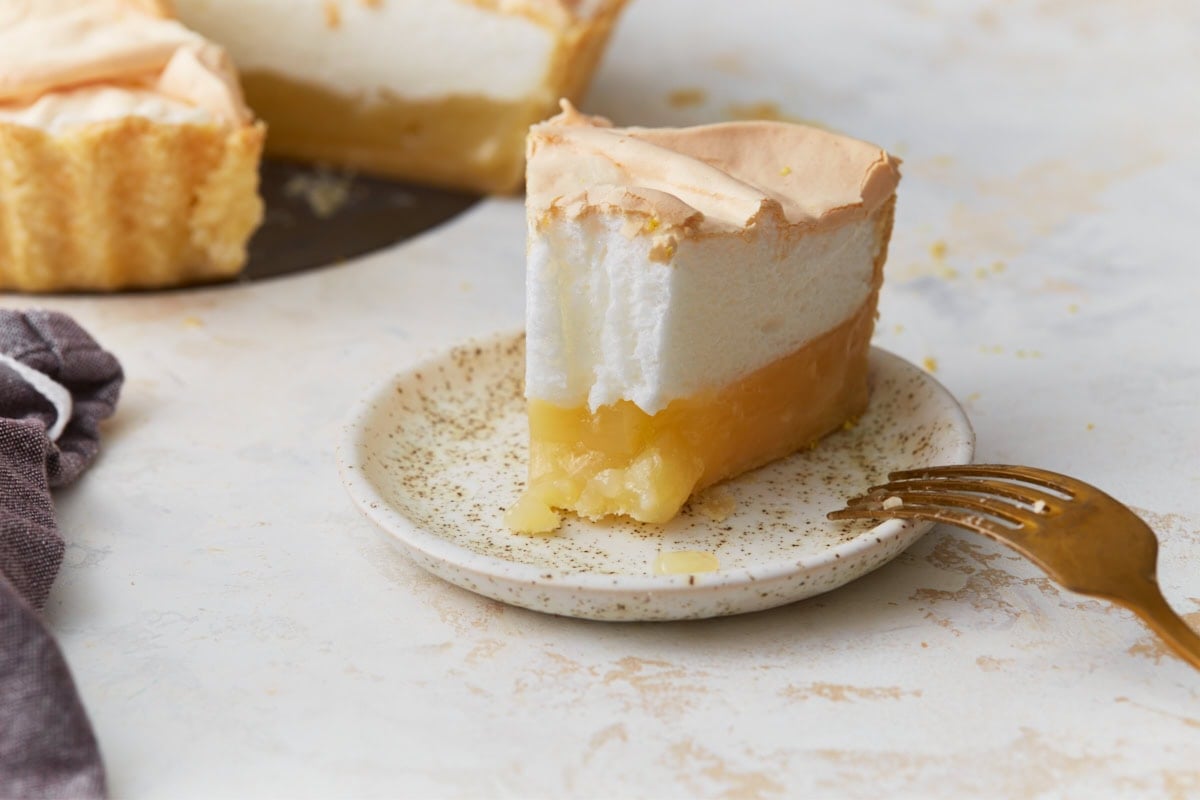
- Cook the filling until thick like pudding. The lemon filling should be glossy and thick enough to coat the back of a spoon before it goes into the crust. If the filling is too thin, it won’t fully set in the refrigerator, and the pie won’t slice cleanly.
- Use room temperature egg whites for the meringue. Egg whites whip up faster and reach greater volume when they are at room temperature. I usually separate the eggs while they’re cold, then let the whites sit for about 20–30 minutes before whipping.
- Whip until stiff, glossy peaks form. The meringue should hold its shape when you lift the whisk, forming peaks that stand upright without collapsing. If the meringue looks dry or clumpy, it may be overbeaten.
- Spread the meringue over hot filling. I always add the meringue while the lemon filling is still hot. The heat helps cook the meringue from the bottom up and greatly reduces the chance of a watery layer forming between the filling and topping.
- Seal the meringue all the way to the crust edges. When spreading the meringue, make sure it touches the crust all the way around the pie. This anchors the topping and prevents the meringue from shrinking or pulling away from the edges during baking.
- Create soft peaks and swirls in the meringue. Use the back of a spoon to gently lift and swirl the meringue before baking. The raised peaks toast beautifully in the oven and give the pie its classic golden look.
Gluten-Free Lemon Meringue Pie

Equipment
- 1 9-inch Pie Dish
Ingredients
For the Crust
- 1¼ cup gluten-free all-purpose flour, spooned and leveled
- ½ tbsp granulated white sugar
- ¼ tsp salt
- ½ cup cold unsalted butter, cubed, dairy-free butter can be used
- ¼ tsp apple cider vinegar
- 4-6 tbsp cold water
For the Lemon Filling
- 5 large egg yolks
- ⅓ cup cornstarch*
- 1¼ cups water
- ½ cup fresh lemon juice, use fresh lemon juice for the best flavor
- 1 cup granulated sugar
- ¼ tsp salt
- 2 tbsp unsalted butter
- 1 tsp lemon zest**
For the Meringue
- 5 large egg whites, room temperature
- ½ tsp cream of tartar
- ¾ cup granulated sugar
Instructions
- Place the gluten-free flour, sugar, salt, and butter in a food processor and pulse a few times until coarse and a few pea-sized pieces of butter are visible.
- Add the apple cider vinegar and one tablespoon of water at a time, and pulse 2 times after each tablespoon of water. Add water until the dough comes together and forms large clumps.
- Shape the dough into a disk without kneading and wrap tightly in plastic wrap. Chill for 1 hour or up to 2 days.
- Preheat oven to 350°F (180°C).
- Roll the chilled pie crust into a ¼-inch thick circle and carefully transfer to a 9-inch pie dish and pierce a few times with a fork.
- Line the crust with a piece of parchment paper and fill it with baking beans, uncooked beans, or uncooked rice. Bake for 20 minutes, then carefully remove the parchment paper and the baking beans and bake the crust an additional 5 minutes. Remove from the oven and set aside while you prepare the filling.
- In a small bowl, whisk egg yolks and cornstarch until combined.
- In a medium saucepan, bring water, lemon juice, sugar, and salt to a simmer. Stir constantly, and cook until thickened about 3-4 minutes.
- While the sugar water is simmering, make the meringue. Beat egg whites and cream of tartar until soft peaks form.
- Gradually add sugar and beat until glossy, stiff peaks form. Set aside.
- Slowly whisk about ½ cup of the hot sugar water mixture into the egg yolk mixture to temper, then return everything to the saucepan.
- Cook for 1–2 minutes more, then remove from heat. Stir in butter and lemon zest.
- Pour the hot lemon filling into the prepared crust.
- Spread meringue over the hot filling, sealing it all the way to the crust edges.
- Bake for 20–25 minutes until the meringue is lightly golden. Loosely tent with foil without touching the meringue, if the meringue is browning too quickly.
- Cool at room temperature for 1 hour, then refrigerate at least 4 hours before slicing.
Notes
Nutrition
Nutrition information is automatically calculated, so should only be used as an approximation.
How to Make Gluten-Free Lemon Meringue Pie Step by Step
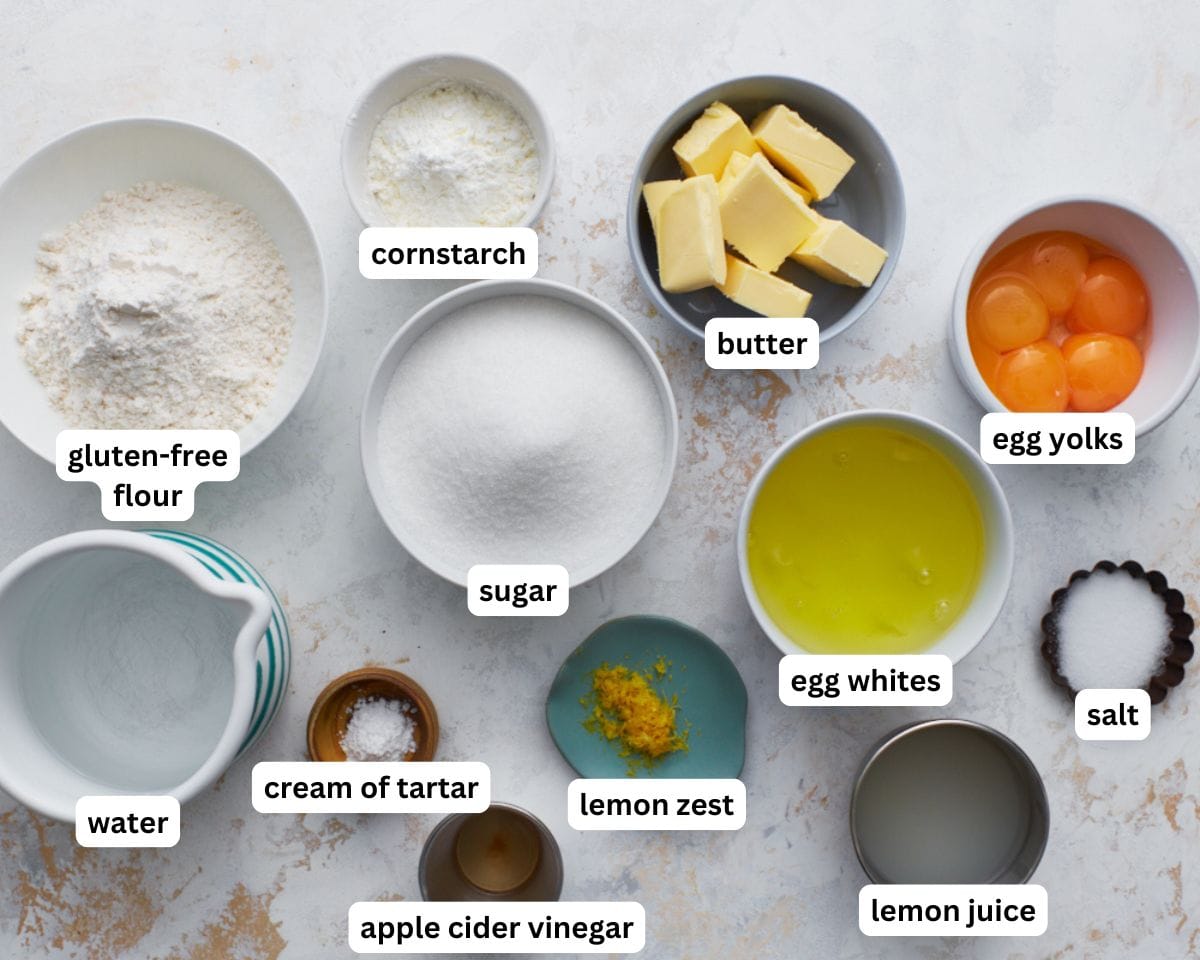
Gather all the ingredients together.
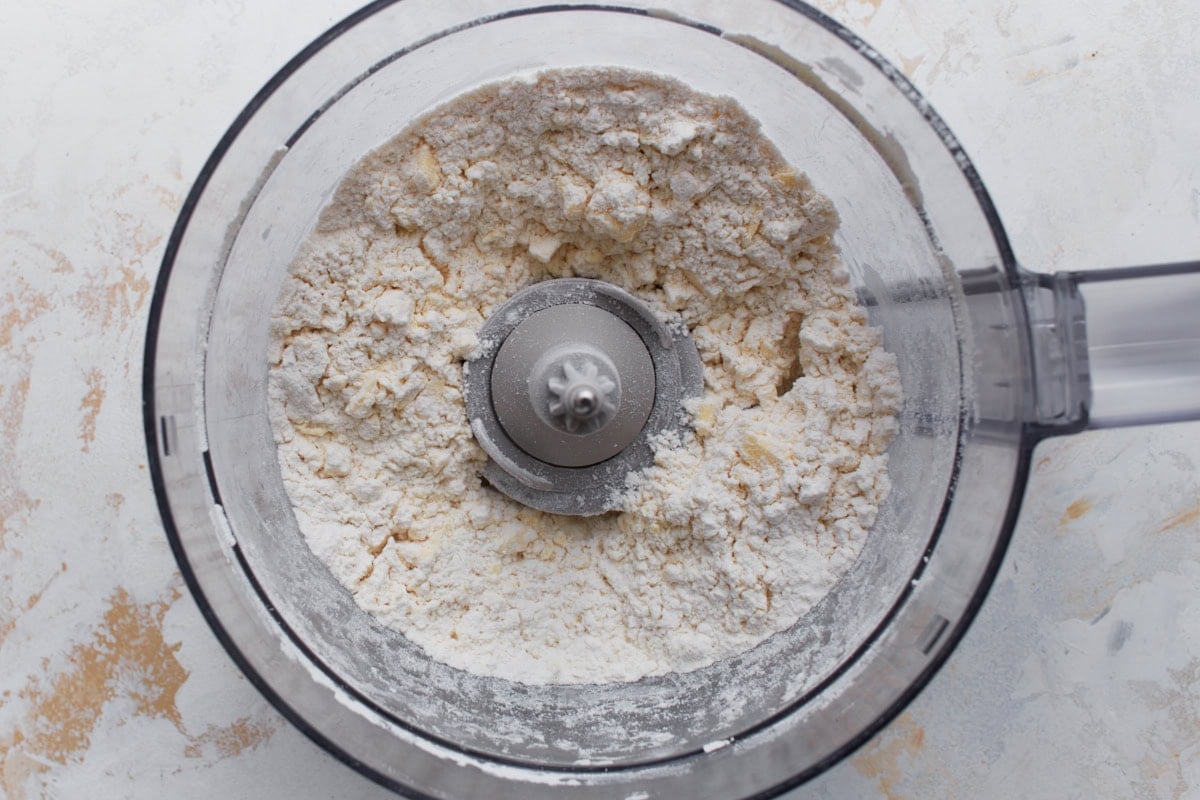
Make the pie crust: Add 1¼ cups (125g) gluten-free all-purpose flour, ½ tbsp (6g) granulated sugar, ¼ tsp salt, and ½ cup (113g) cold unsalted butter cut into pieces to a food processor. Pulse several times until the mixture looks coarse and crumbly, with a few pea-sized pieces of butter still visible. Those small butter pieces help create a tender, flaky crust.
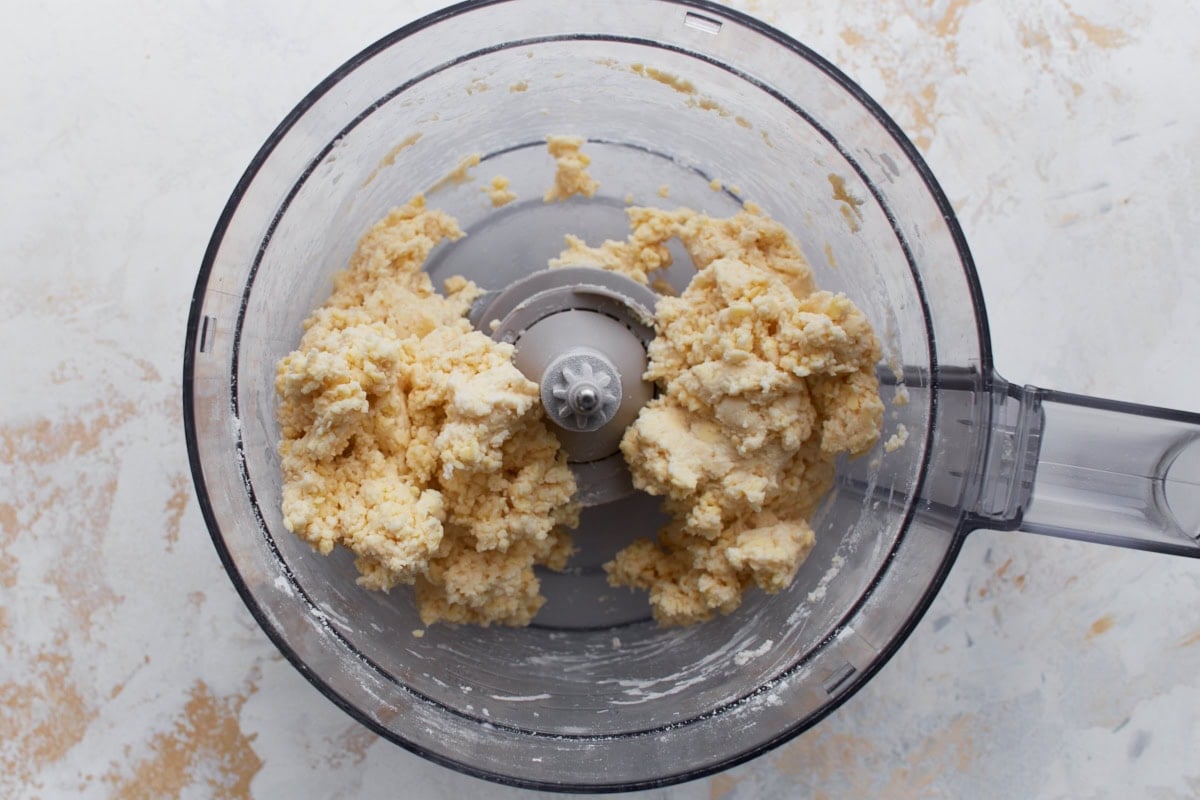
Pulse into clumps: Add ¼ tsp apple cider vinegar, then drizzle in 4–6 tbsp (60–90ml) cold water one tbsp at a time, pulsing twice after each addition. Stop adding water once the dough begins forming large clumps and holds together when pressed between your fingers. It should look slightly crumbly but not dry.
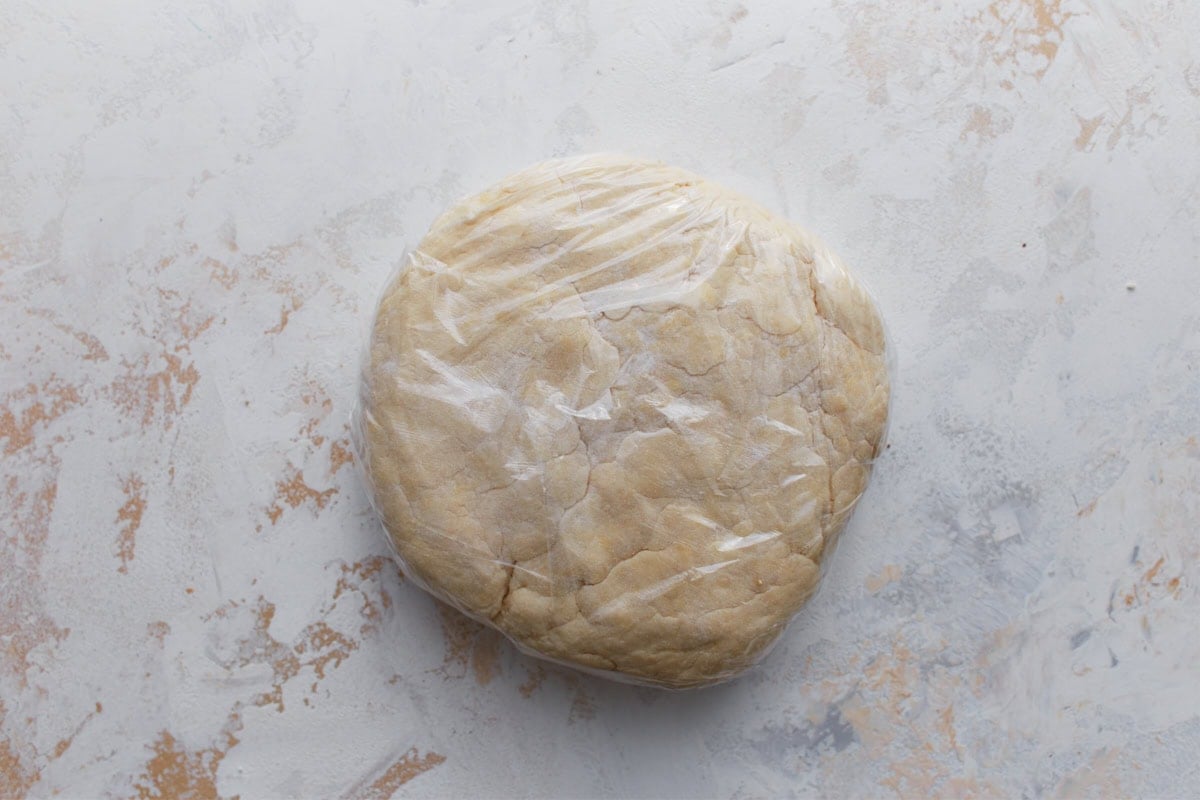
Chill the crust dough: Turn the dough out onto a clean surface and gently press it into a flat disk without kneading. Wrap tightly in plastic wrap and refrigerate for at least 1 hour or up to 2 days. Chilling helps hydrate the flour and firm up the butter, which makes the dough easier to roll.
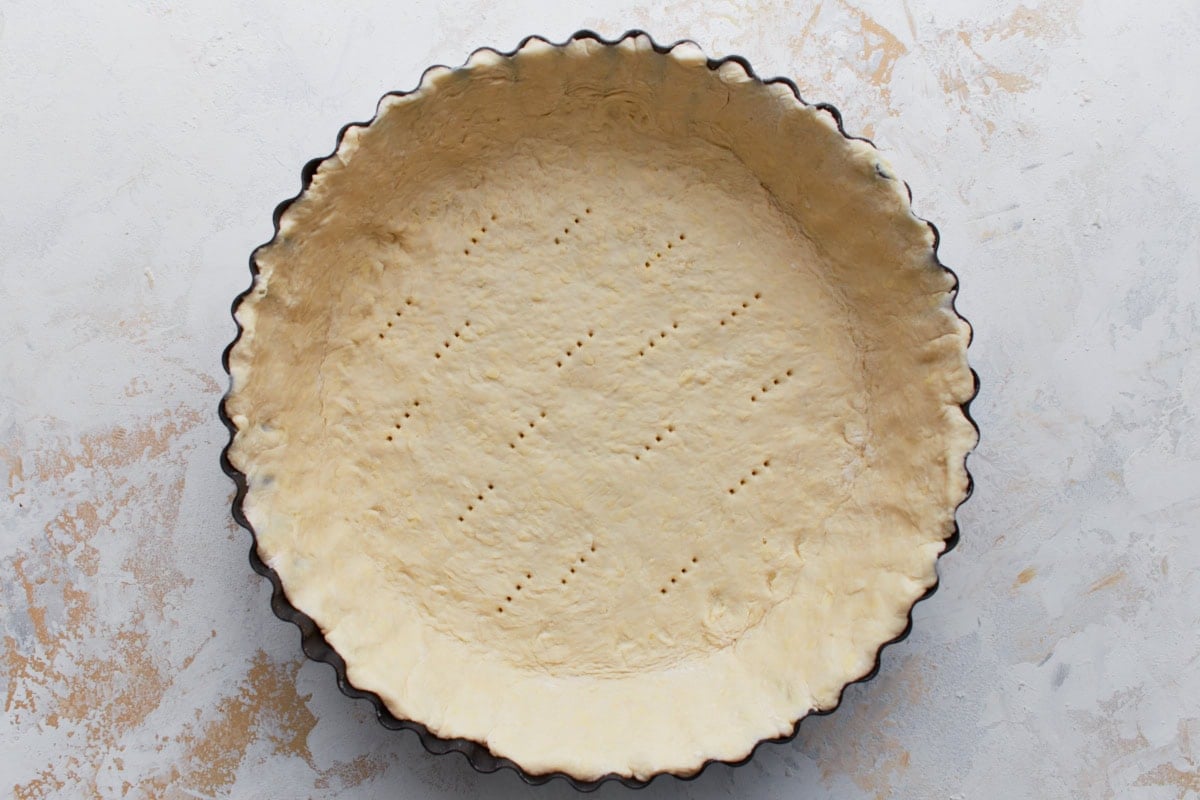
Prepare the crust: Preheat the oven to 350°F (180°C). On a lightly floured surface, roll the chilled dough into a ¼-inch thick circle. Carefully transfer it to a 9-inch pie dish, gently pressing it into the bottom and sides. Trim any excess dough and prick the bottom of the crust several times with a fork to prevent bubbling.
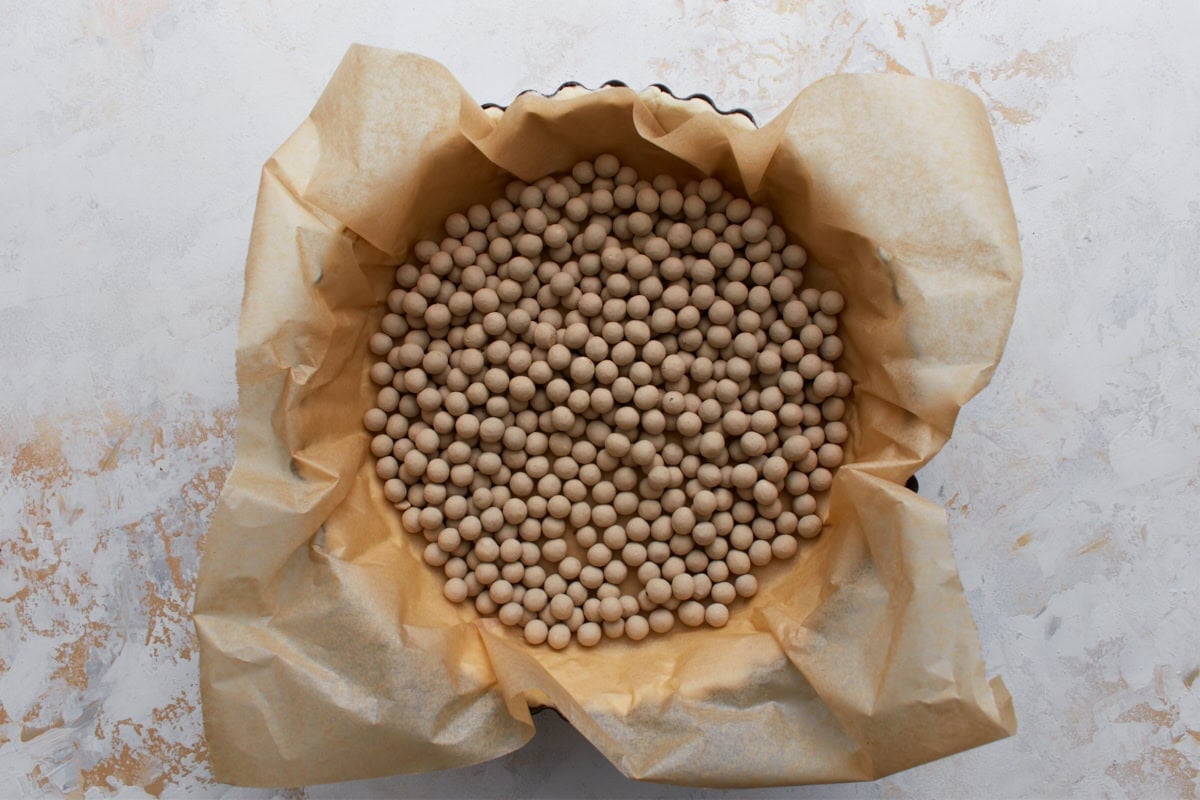
Blind bake the crust: Line the crust with a piece of parchment paper and fill it with pie weights, dried beans, or uncooked rice. Bake for 20 minutes, then carefully lift out the parchment and weights. Return the crust to the oven and bake 5 minutes longer, until the crust looks lightly golden and dry to the touch. Remove from the oven and set aside while you prepare the filling.
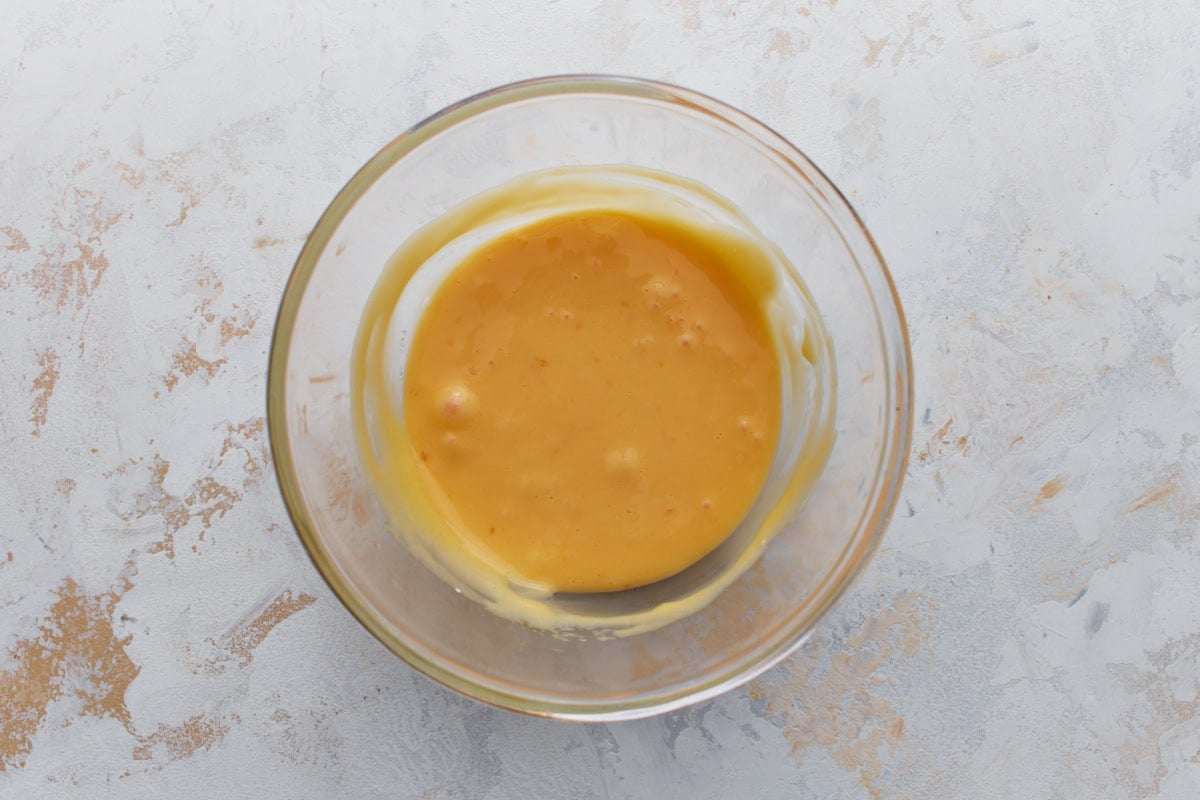
Prep the egg mixture and lemon mixture: In a small bowl, whisk together 5 large egg yolks and ⅓ cup (40g) cornstarch until smooth and fully combined. The mixture will look thick and pale yellow. In a medium saucepan, combine 1¼ cup (300ml) water, ½ cup (120ml) fresh lemon juice, 1 cup (200g) granulated sugar, and ¼ tsp salt. Bring the mixture to a gentle simmer over medium heat, stirring constantly. Cook for 3–4 minutes, until the mixture begins to thicken and look slightly glossy.
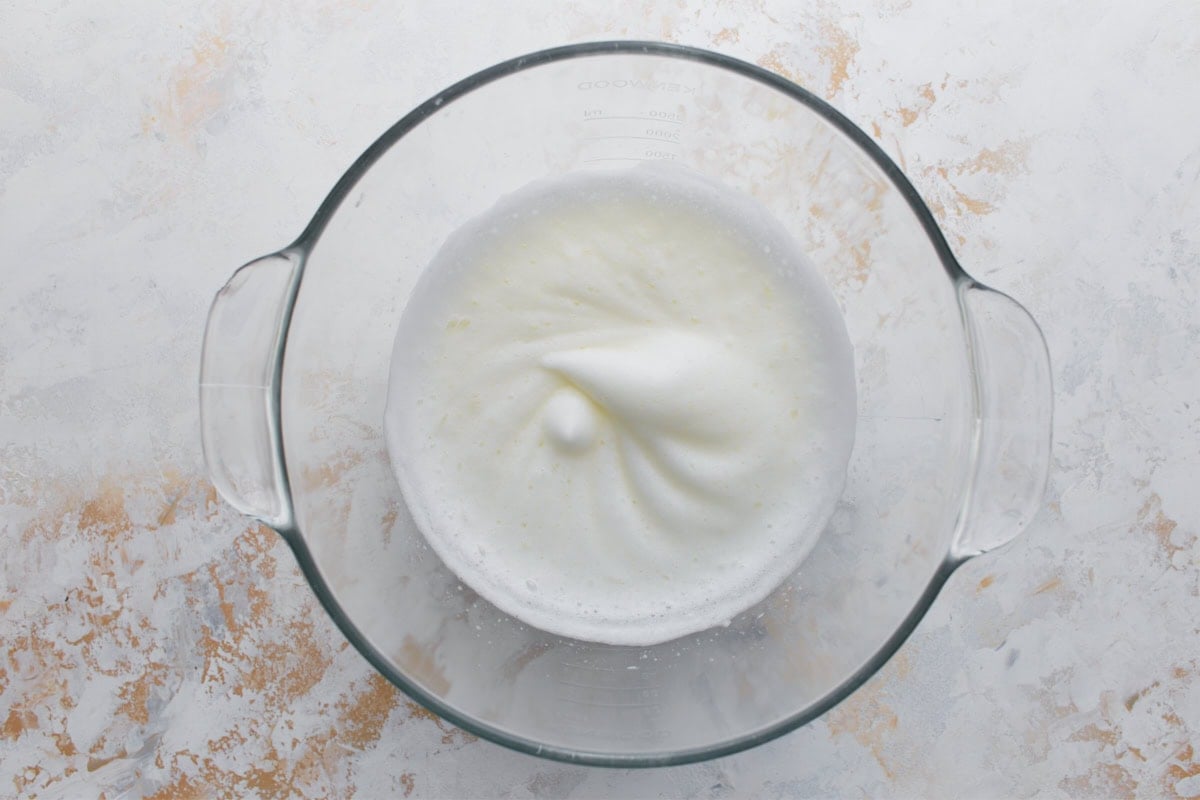
Make the meringue: While the lemon mixture simmers, prepare the meringue. In a clean mixing bowl, beat 5 room-temperature egg whites and ½ tsp cream of tartar until soft peaks form, meaning the peaks gently fold over when the whisk is lifted.
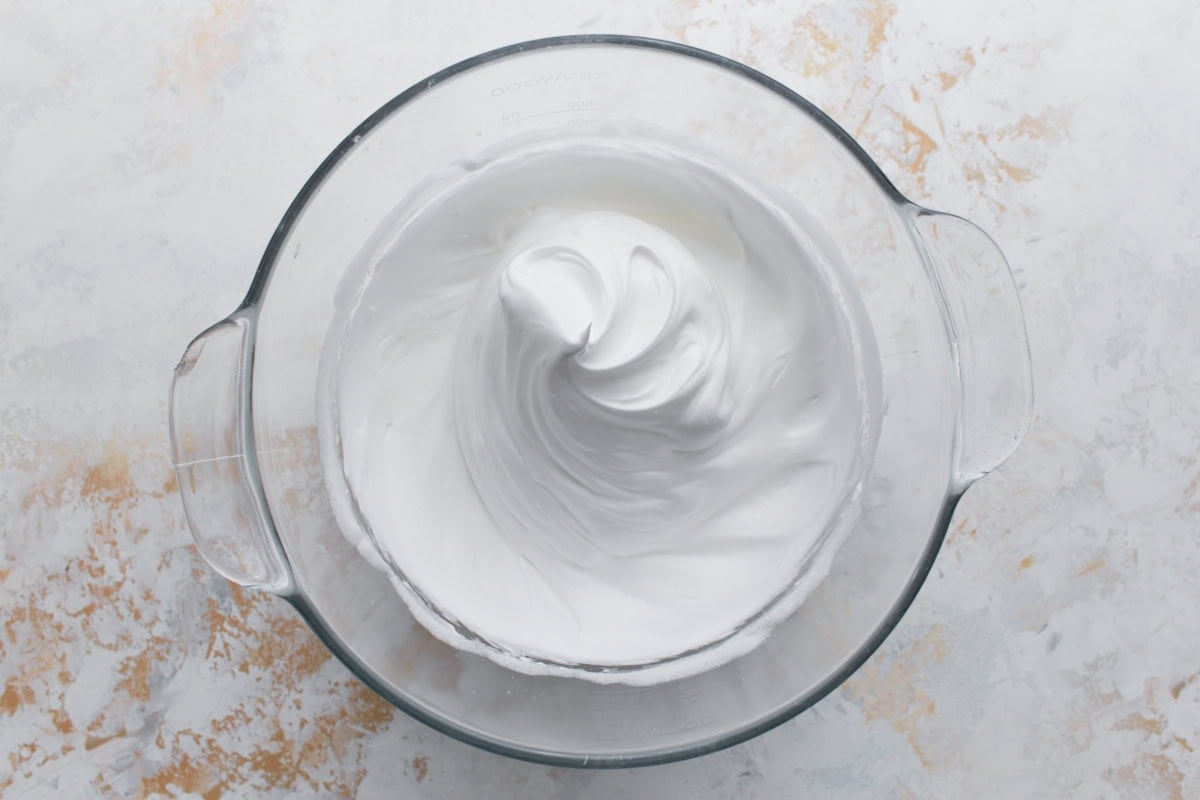
Sweeten the meringue: Gradually add ¾ cup (150g) granulated sugar, a little at a time, while continuing to beat. Keep beating until the meringue becomes thick, glossy, and forms stiff peaks that stand straight up when the whisk is lifted. Set aside.
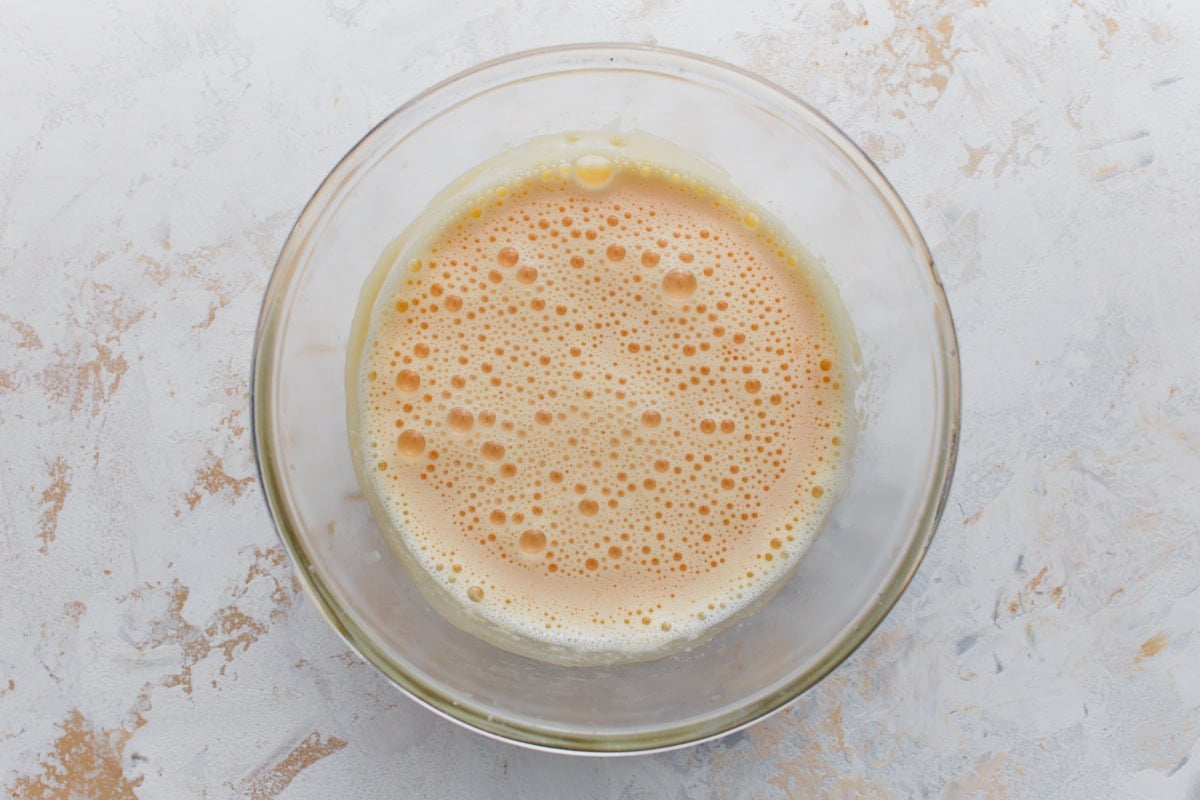
Temper the egg yolks: Slowly whisk about ½ cup of the hot lemon mixture into the egg yolk and cornstarch mixture to gently warm the eggs without scrambling them. Once combined, pour the tempered egg mixture back into the saucepan.
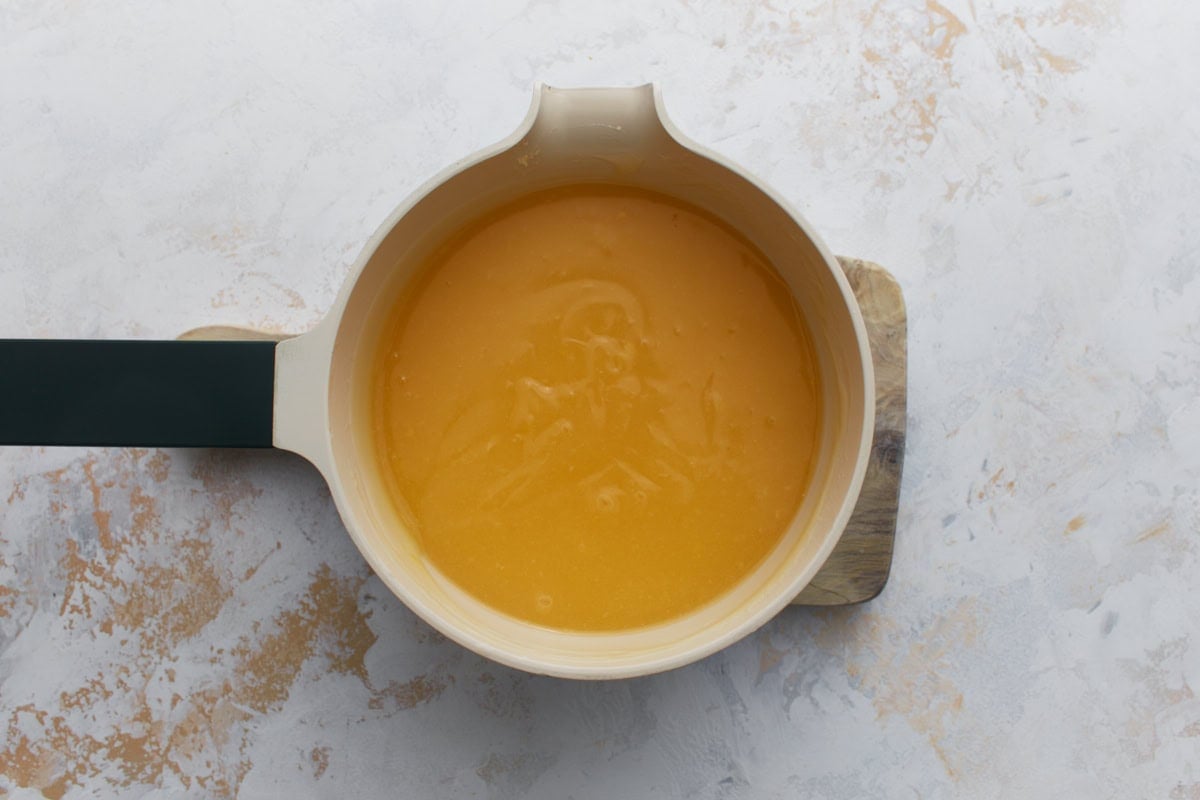
Thicken the lemon filling: Cook over medium heat for 1–2 minutes, whisking constantly, until the filling becomes very thick and smooth, similar to pudding. Remove the saucepan from the heat and stir in 2 tbsp unsalted butter and 1 teaspoon lemon zest until the butter melts and the filling looks silky.
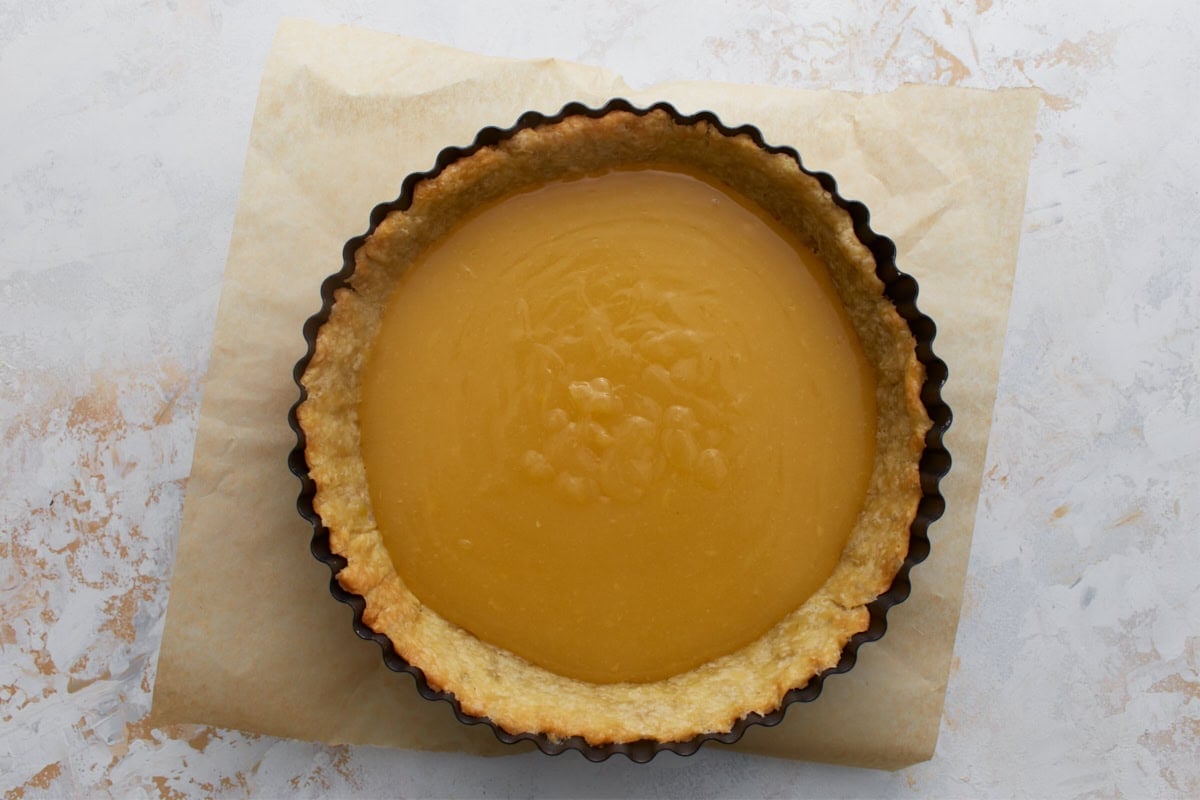
Fill the pie: Immediately pour the hot lemon filling into the prepared pie crust, smoothing it into an even layer.
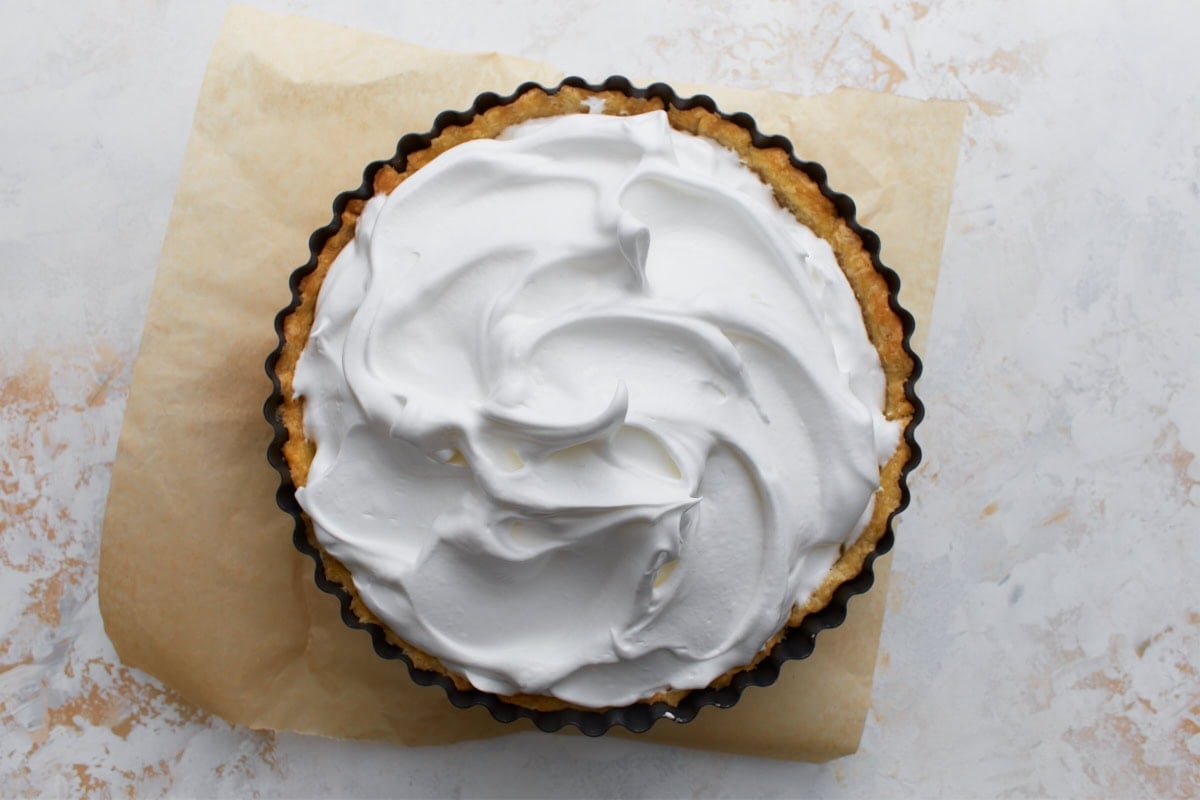
Top with the meringue: Spoon the prepared meringue over the hot filling and gently spread it with the back of a spoon, making sure to seal the meringue all the way to the crust edges. This prevents the meringue from shrinking during baking.
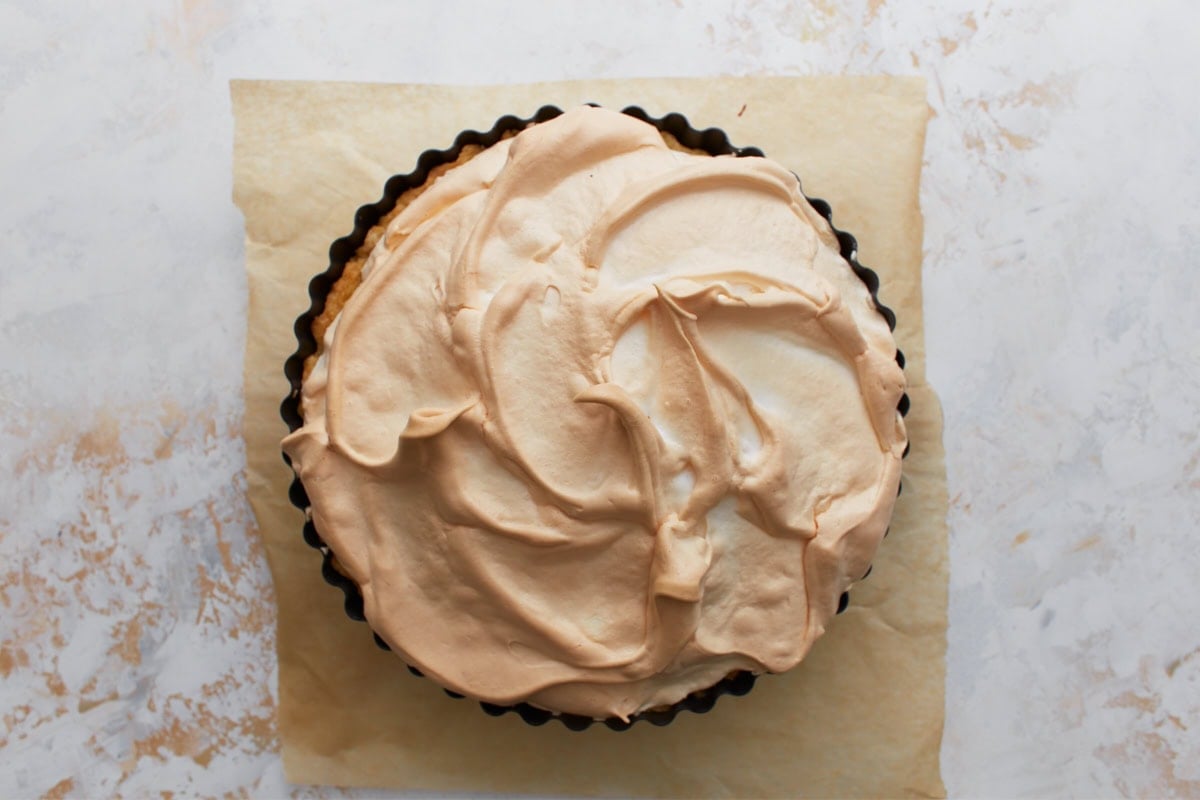
Bake the pie: Bake for 20–25 minutes, until the meringue is lightly golden with toasted peaks. If the meringue begins browning too quickly, loosely tent the pie with foil, making sure the foil does not touch the meringue.
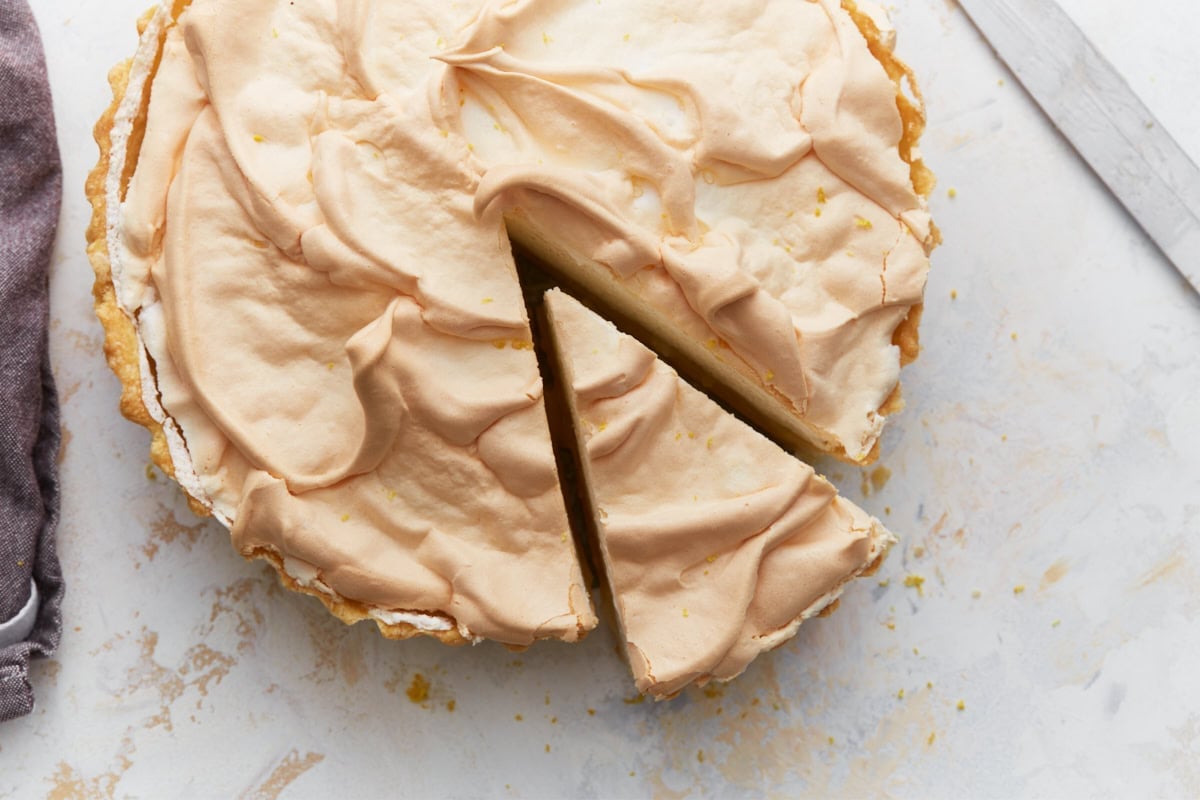
Cool and chill: Let the pie cool at room temperature for about 1 hour, then refrigerate for at least 4 hours before slicing. This chilling time allows the lemon filling to fully set, so the pie slices cleanly.
Serving Suggestions
Gluten-free lemon meringue pie is a bright, classic dessert I love serving when I want something light and citrusy to finish a meal. It’s especially perfect for spring celebrations like Easter brunch, where the tangy lemon filling and fluffy meringue feel fresh and not too heavy. I often serve it after a brunch spread that includes gluten-free chocolate chip muffins for something sweet and bakery-style. Buckwheat waffles are another favorite because their nutty flavor pairs nicely with the bright lemon filling. If we’re doing more of a savory brunch, a crustless ham and cheese quiche makes a great contrast to the sweet pie. The pie also pairs beautifully with simple sides like fresh berries or a fruit salad.
Storage Instructions
Store leftover lemon meringue pie loosely covered in the refrigerator for up to 2 days. Because meringue is delicate, it’s best not to seal the pie in an airtight container, which can cause moisture to build up and make the topping weep. The texture of the meringue is at its best the day the pie is made, though it will still taste good the next day.
Freezing lemon meringue pie is not recommended. The meringue does not freeze well and tends to release moisture as it thaws, which can cause the topping to become watery and separate from the filling.
Serve this pie chilled or at cool room temperature, so reheating isn’t necessary. If the pie has been refrigerated, let the slices sit at room temperature for about 10–15 minutes before serving for the best flavor and texture.
More Gluten-Free Spring Desserts
- Gluten-Free Lemon Bars: If you love the bright citrus flavor in gluten-free lemon meringue pie, these gluten-free lemon bars deliver the same tangy lemon filling in an easy, handheld dessert with a buttery shortbread crust.
- Gluten-Free Key Lime Pie: Another classic citrus pie, this gluten-free key lime pie features a smooth, creamy filling and a crisp graham cracker crust for a dessert that’s just as bright and refreshing as lemon meringue pie.
- Gluten-Free Vanilla Cupcakes: These light and fluffy gluten-free vanilla cupcakes are perfect when you want a simple dessert to serve alongside citrus treats like lemon meringue pie.
- Gluten-Free Cheesecake: If you enjoy the creamy texture of lemon meringue pie filling, this gluten-free cheesecake is another rich and smooth dessert that pairs beautifully with bright citrus flavors.