Gluten-Free Tortillas

Updated
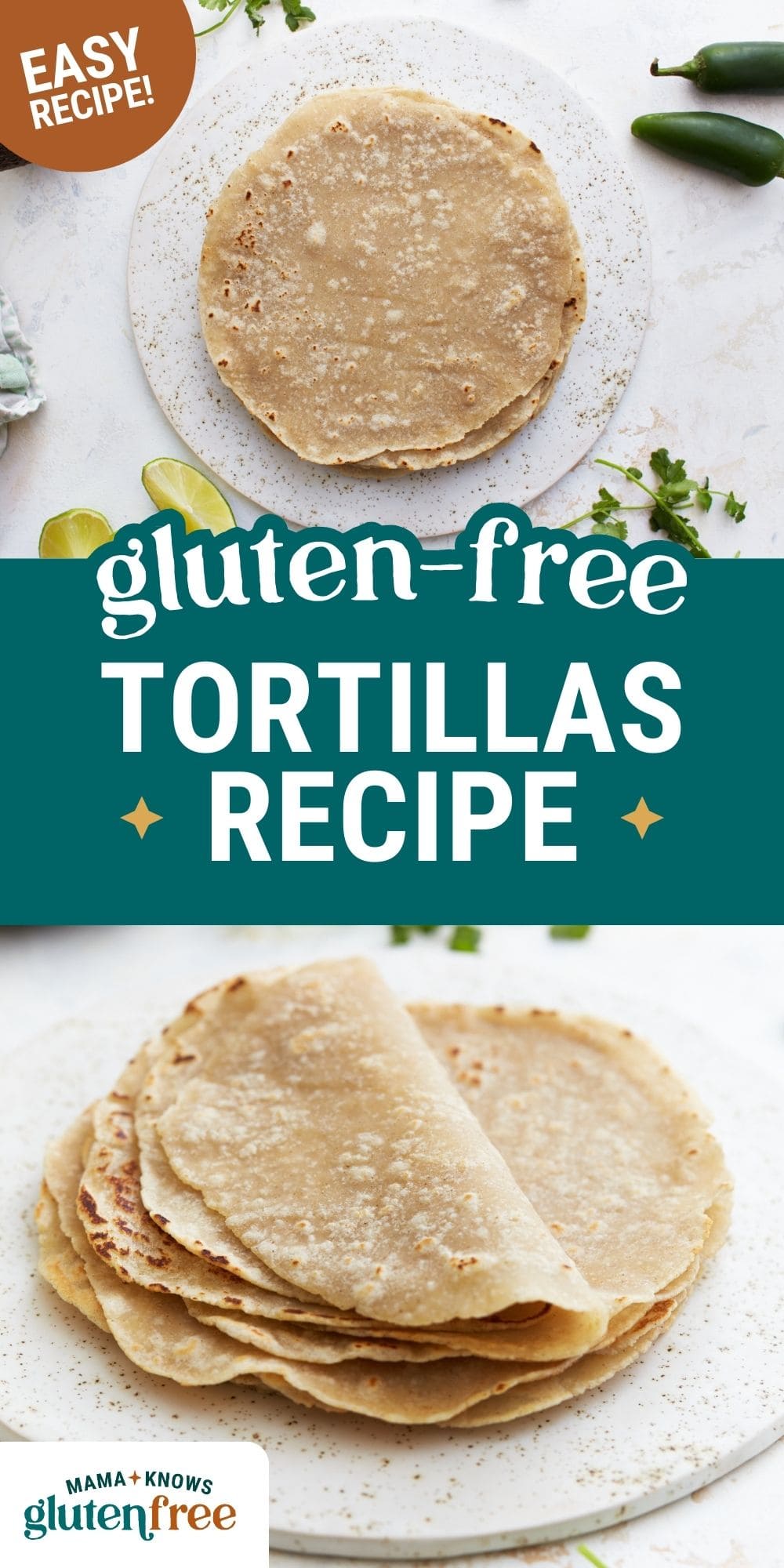
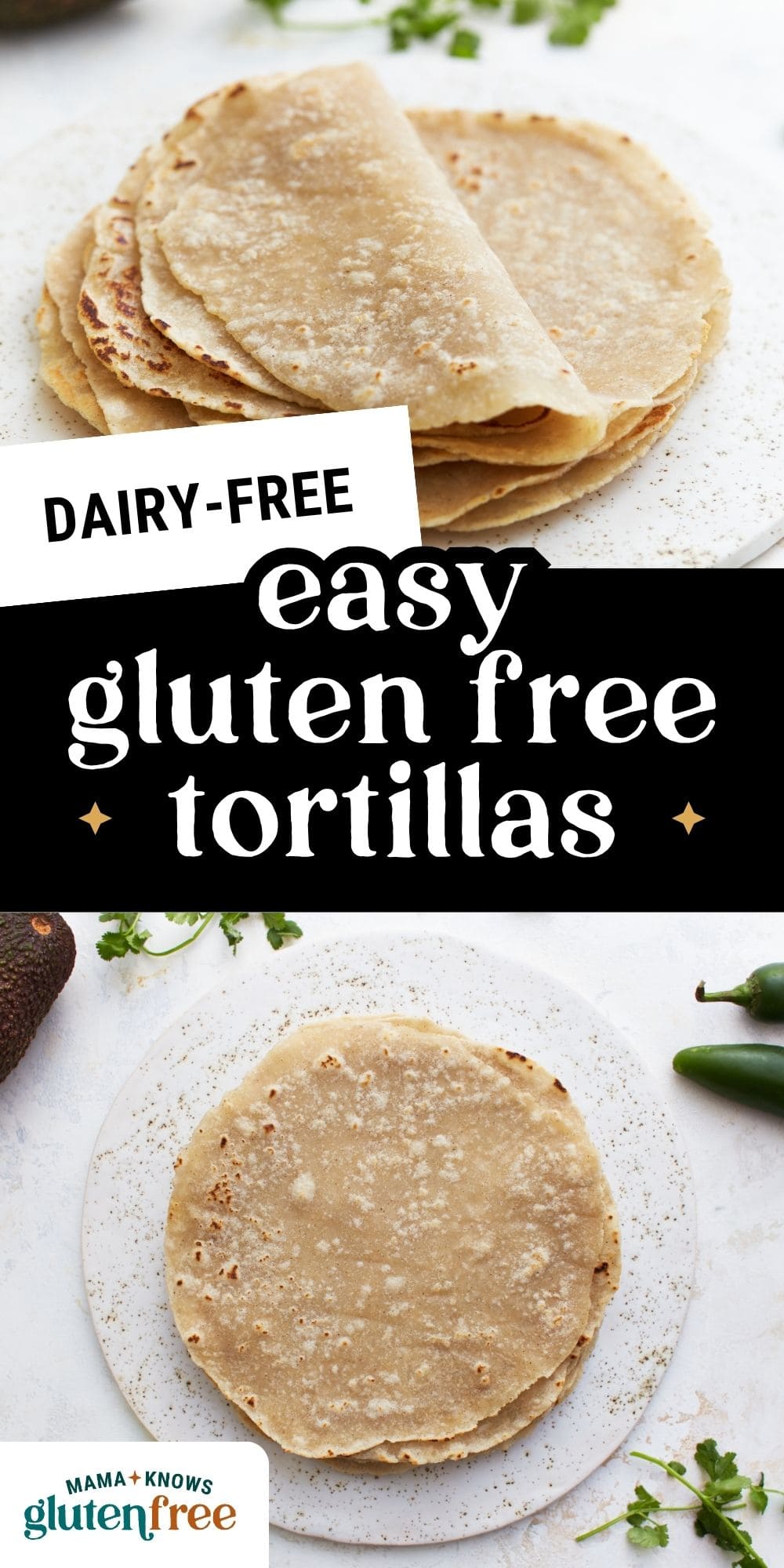
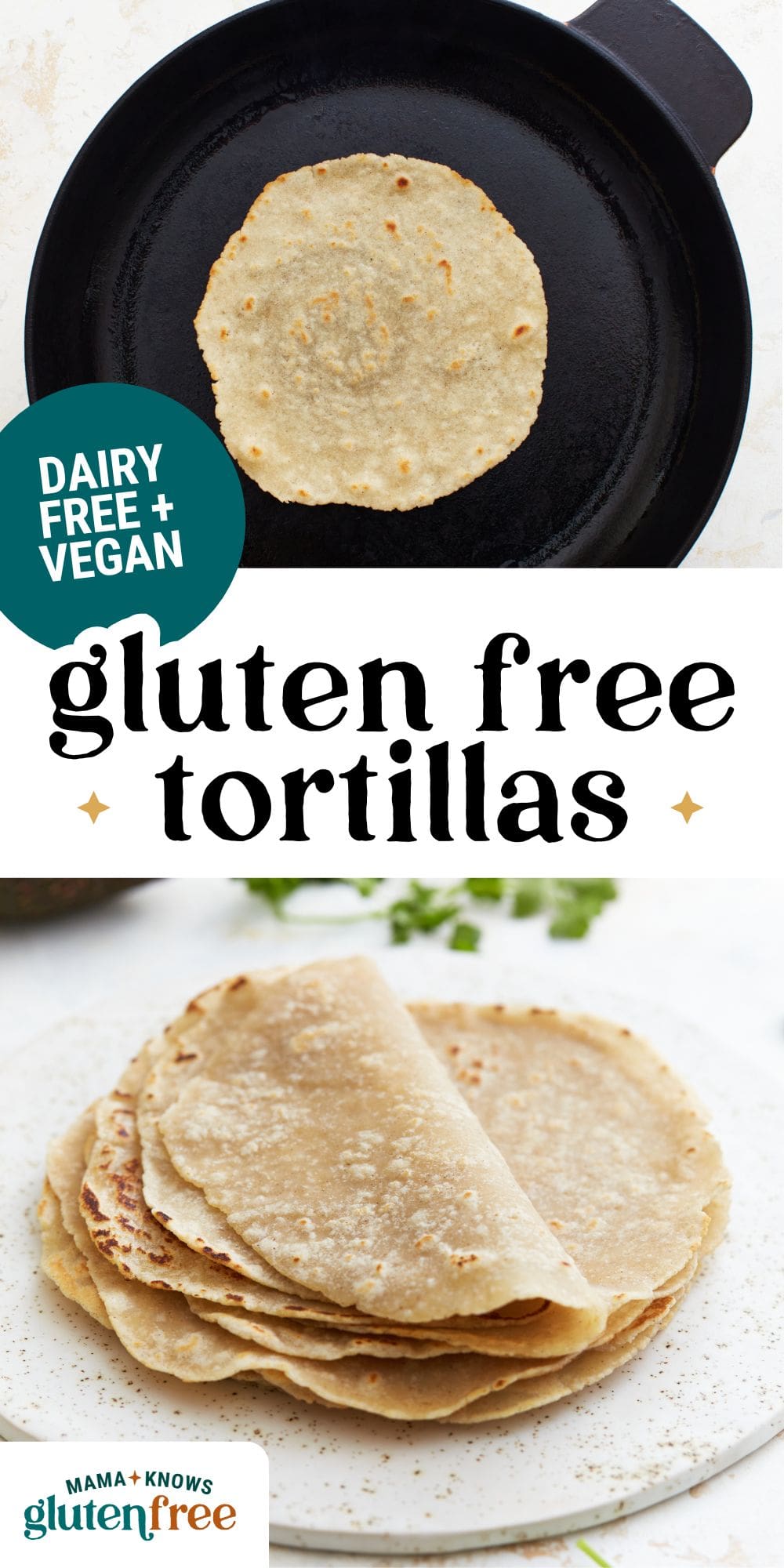
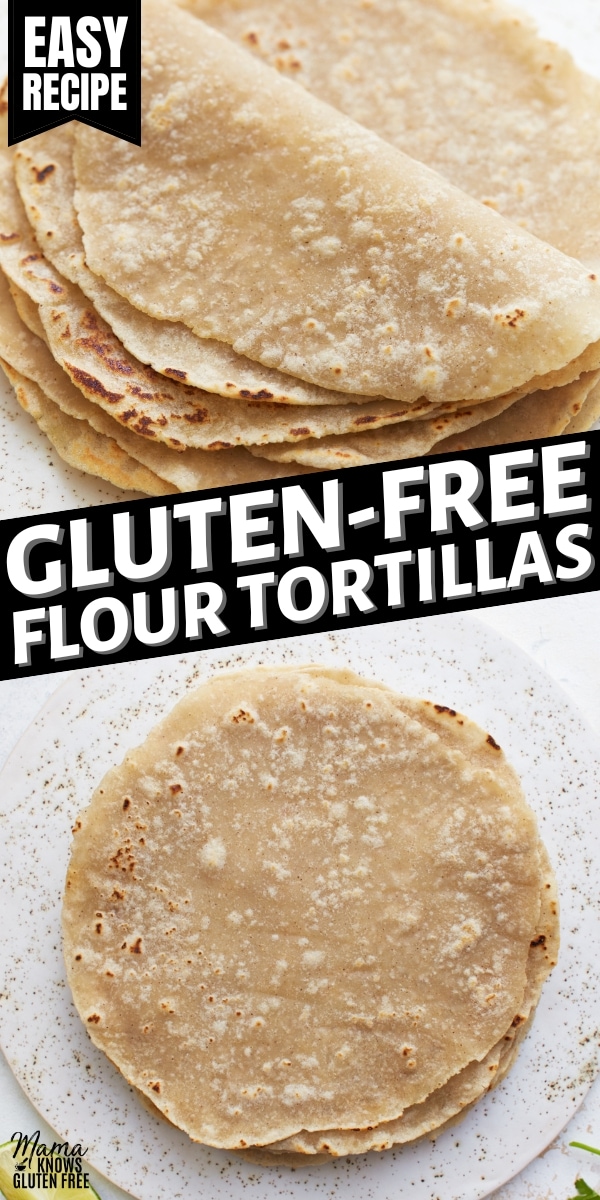
I absolutely love making this recipe for soft, flexible gluten-free tortillas. With just five simple ingredients and about 15 minutes, you get pliable tortillas that fold without cracking, no tortilla press required. This one’s in regular rotation in my house, for soft tacos, burritos, and wrap sandwiches at lunch. Once you taste how much softer these are than store-bought, you won’t go back.
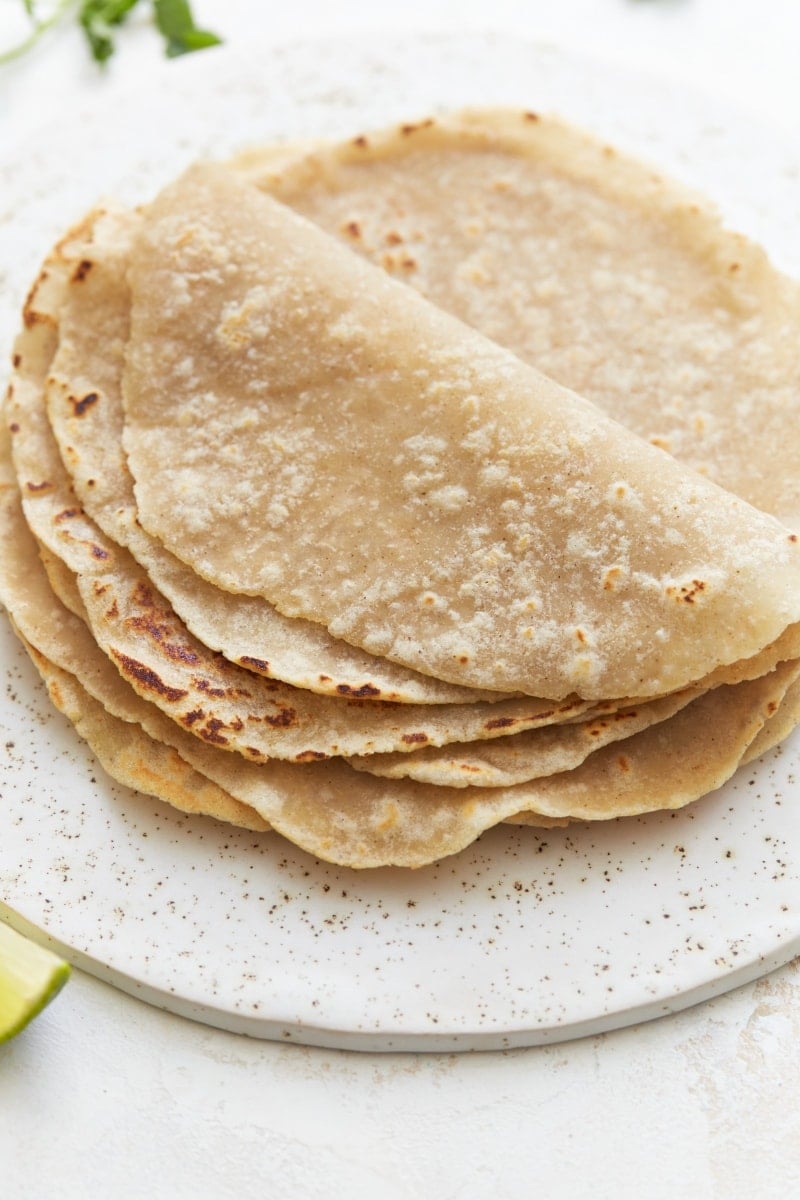
What Keeps These Gluten-Free Tortillas Soft (Even the Next Day)
Most gluten-free tortillas turn stiff and cracker-like within an hour of cooking, which is the complaint I hear most about gluten-free tortillas in general, and honestly, one I ran into myself plenty of times before landing on this version. This recipe skips the specialty starches and tortilla press that a lot of other gluten-free versions call for, using just five pantry staples in one bowl instead, which is how I like my everyday recipes to work. Solving the stiffness problem came down to two things: rolling the dough thin and even, and not overcooking it.
This recipe works with Better Batter, Bob’s Red Mill 1 to 1, King Arthur Measure for Measure, and Pillsbury gluten-free flour. Better Batter is still my favorite since it makes the softest, most flexible tortillas with the best flavor, though a different blend will vary slightly in texture. Here’s the other tell I look for. The tortilla should still be a little soft in the center when you pull it off the pan, with just a few light brown spots. If it feels stiff right out of the skillet, it’s overcooked and will only get stiffer as it cools.
Gluten-Free Baking Tips
- Use very warm water. I heat mine for 20 seconds in the microwave, not boiling, just warm to the touch. Warm water hydrates the gluten-free flour faster and gives you a smoother, more pliable dough right away instead of a crumbly one.
- Roll the dough thin and even. Thickness is the single biggest factor in whether a tortilla stays flexible or turns stiff. I roll mine between two pieces of parchment paper (never flour on the rolling pin, it burns in the pan) until I can almost see through the dough.
- You don’t need a cast-iron skillet, but it helps. I use a well-greased cast-iron skillet because it holds even, consistent heat, which is what gives the tortillas those light brown spots without drying them out. If you don’t have one, another heavy skillet works too, just lower your heat setting slightly, since lighter pans run hotter and can scorch the tortillas before the inside finishes cooking.
Gluten-Free Tortillas Recipe
Ingredients
- 1 1/2 cup gluten-free all-purpose flour with xanthan gum, I like Better Batter for this recipe. Please see my notes on all the brands I tested for this recipe.
- 1 teaspoon gluten-free baking powder
- 1/2 teaspoon salt
- 3/4 cups water, very warm, I microwaved the water for 20 seconds to heat it up.
- 2 tablespoons vegetable oil, I like canola oil for this recipe.
Instructions
- In a large bowl, combine the gluten-free flour, baking powder, and salt.
- Stir in the warm water and vegetable oil.
- Using a spoon or spatula mix until fully combined.
- Using your hands, continue to mix together the dough until it becomes a dough ball and all of the liquid has been absorbed.
- Turn on your stove to medium-high heat, so you can pre-heat the greased cast-iron skillet (another type of heavy skillet) while you are rolling the dough.
- Pinch off a golf ball-sized piece of dough and roll into a ball. You will have eight dough balls.
- Cover the bowl with the dough in it with a towel while rolling out the balls to keep the dough from drying out.
- Place the dough ball on a piece of parchment paper. Flatten the dough ball with your hand to make a disk shape.
- Place a piece of plastic cling wrap or parchment paper over the dough and use a rolling pin to roll out the dough into a 7-inch circle. The tortilla should be thin.
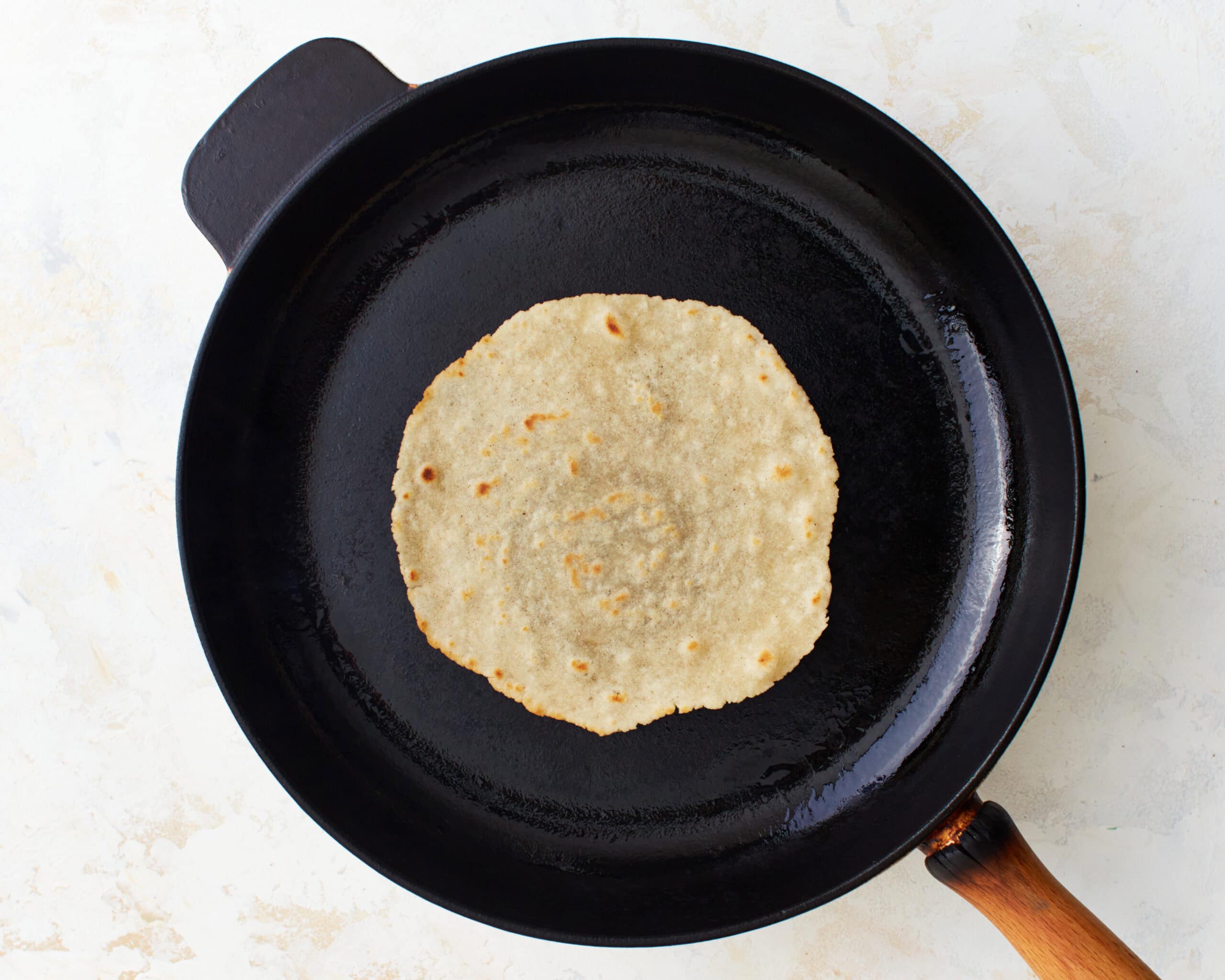
- Place the tortillas in the greased cast-iron pan. Cook the tortillas over medium-high heat until lightly browned, 30- seconds to 1 minute on each side. If the tortillas feel stiff after cooking, they have been cooked too long or the heat was too high. You want to cook them long enough to get a few bubbles on the top and a few light brown spots on the underside when you filp them.
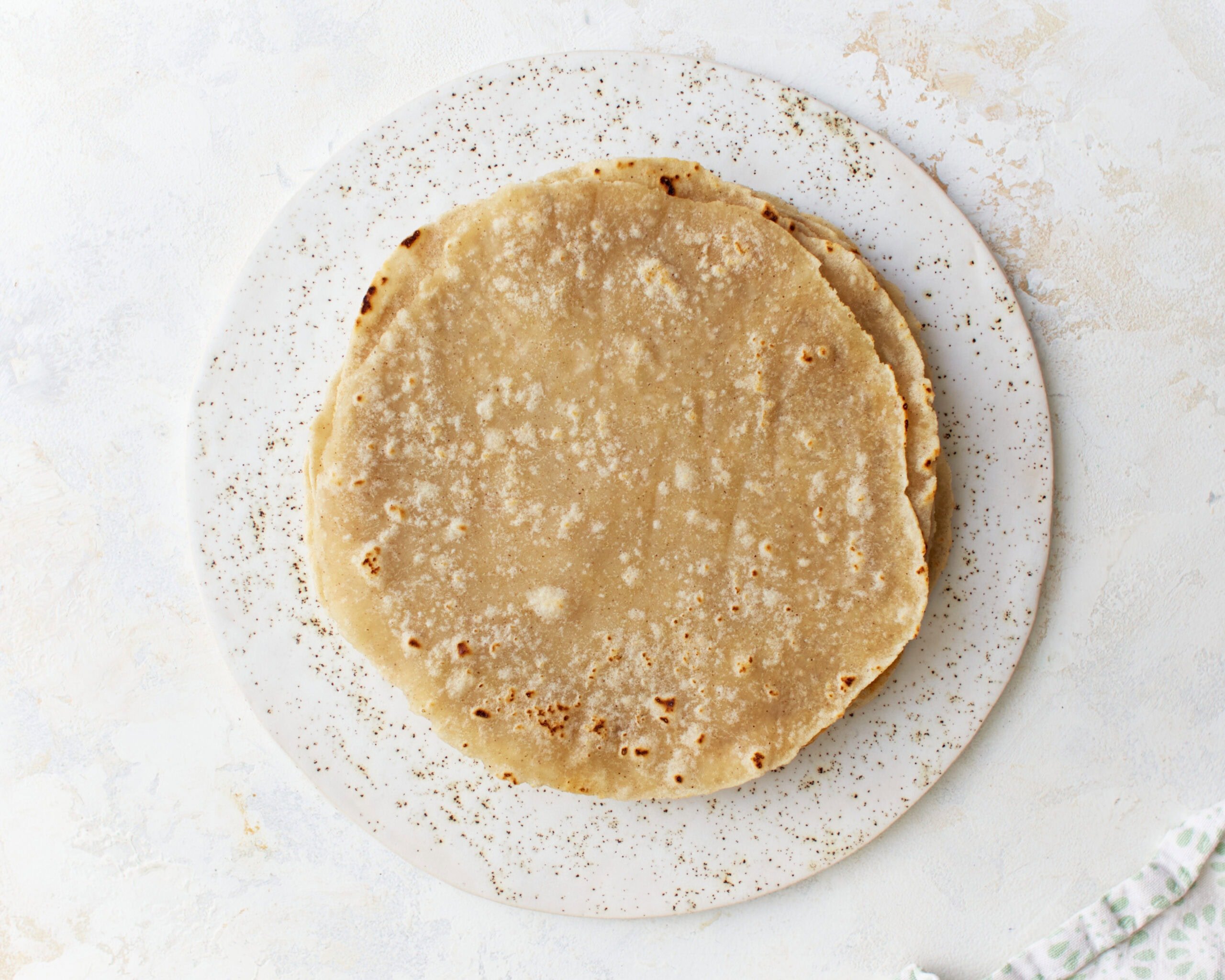
- Stack the tortillas on a plate and cover with a towel to keep warm.
- Once the tortillas have completely cooled, store them in a plastic storage bag and refrigerate.
Notes
- My preferred gluten-free flour for this recipe is Better Batter gluten-free flour. Not all gluten-free flours are created equal. You may experience different results depending on the gluten-free flour blend you choose.
- Swap in avocado or olive oil for the vegetable oil if needed.
- Untested without xanthan gum, but guar gum may work as a substitute.
- Flax, psyllium husk, or chia can be added in small amounts; add a little extra water to compensate.
- Tortillas should still feel a little soft in the center off the pan, they firm up as they cool.
No cast iron? Use a heavy skillet at slightly lower heat. - Even thickness prevents tough or burnt spots.
- For best texture, thaw frozen tortillas overnight in the fridge before reheating.
- Mix garlic powder, cumin, or chili powder into the dough for taco-ready flavor.
- Naturally low in sodium and sugar (199mg / 1g per tortilla).
- Mama says, “Always check your labels!”
Nutrition
Nutrition information is automatically calculated, so should only be used as an approximation.
How to Make Gluten-Free Snickerdoodle Cookies Step by Step
Gather all the ingredients together.
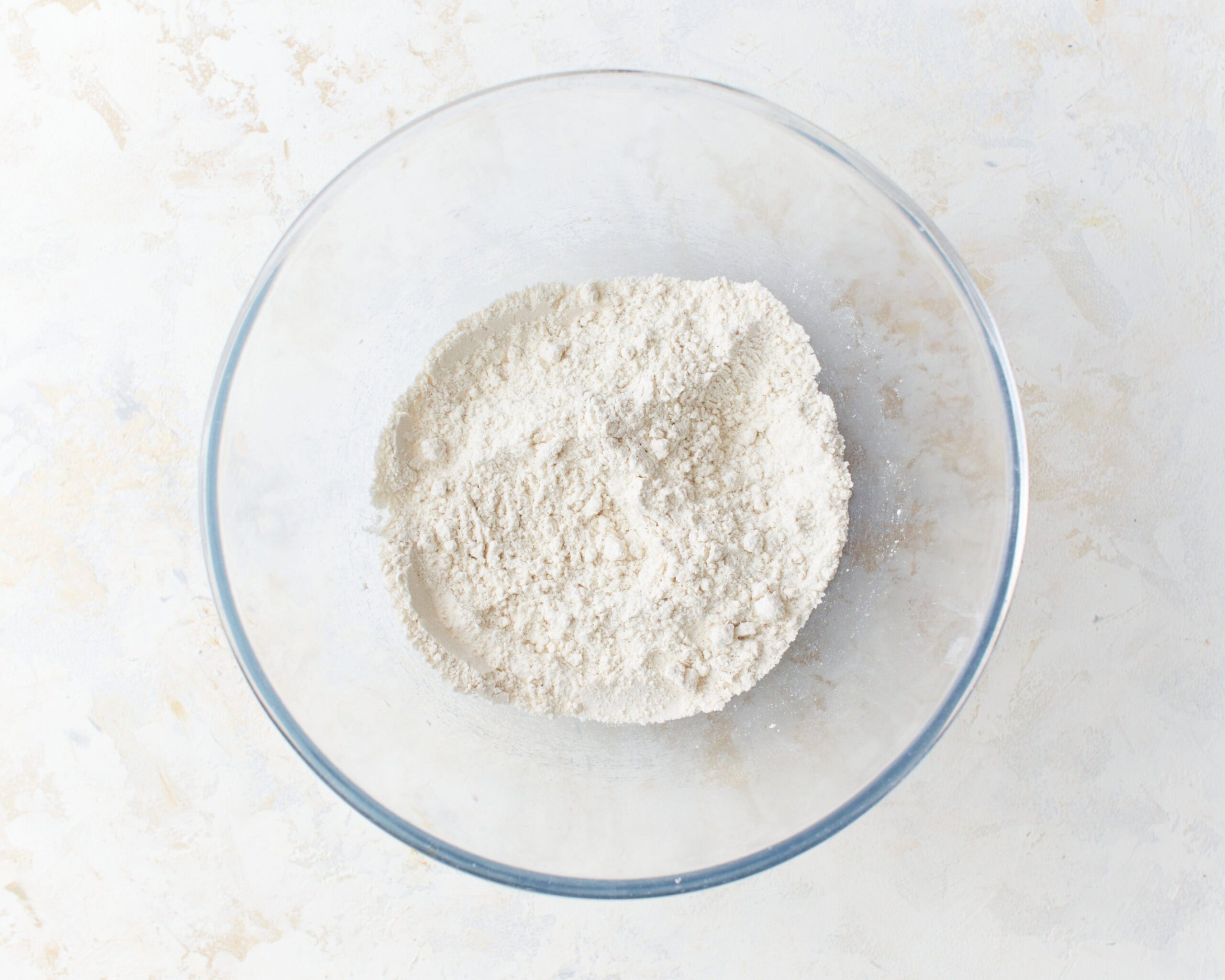
Whisk the dry ingredients: In a large bowl, whisk together 1 1/2 cups gluten-free flour, 1 tsp baking powder, and 1/2 tsp salt until evenly combined. Whisking now keeps the baking powder from clumping in one spot, so the tortillas puff evenly instead of getting one big air pocket.
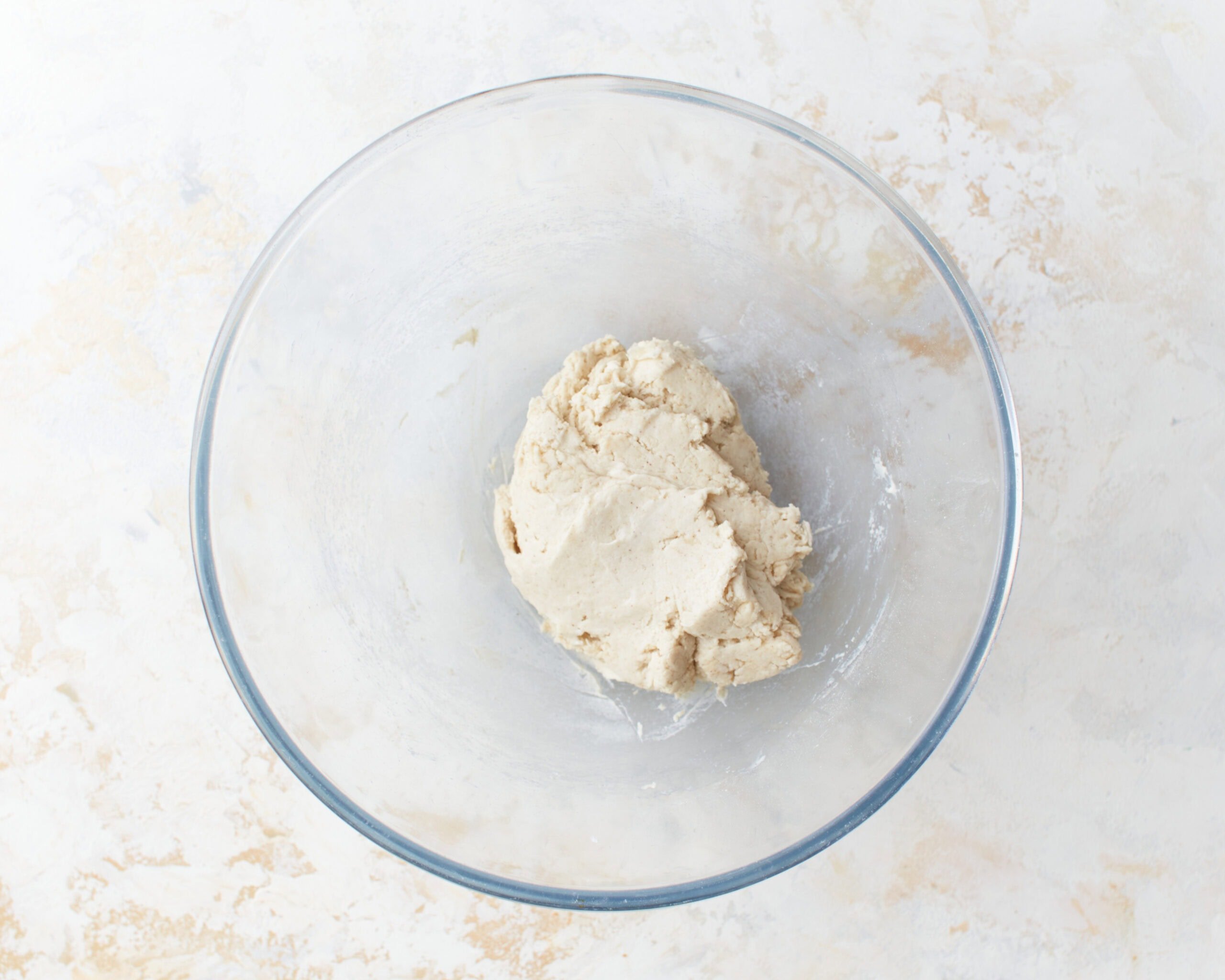
Add the water and oil: Stir in 3/4 cup very warm water and 2 tbsp vegetable oil. Warm water hydrates gluten-free flour faster than cold water does, which is what keeps the dough smooth instead of gritty. Mix with a spoon or spatula until combined. The mixture will look shaggy and uneven at this stage. That’s normal.
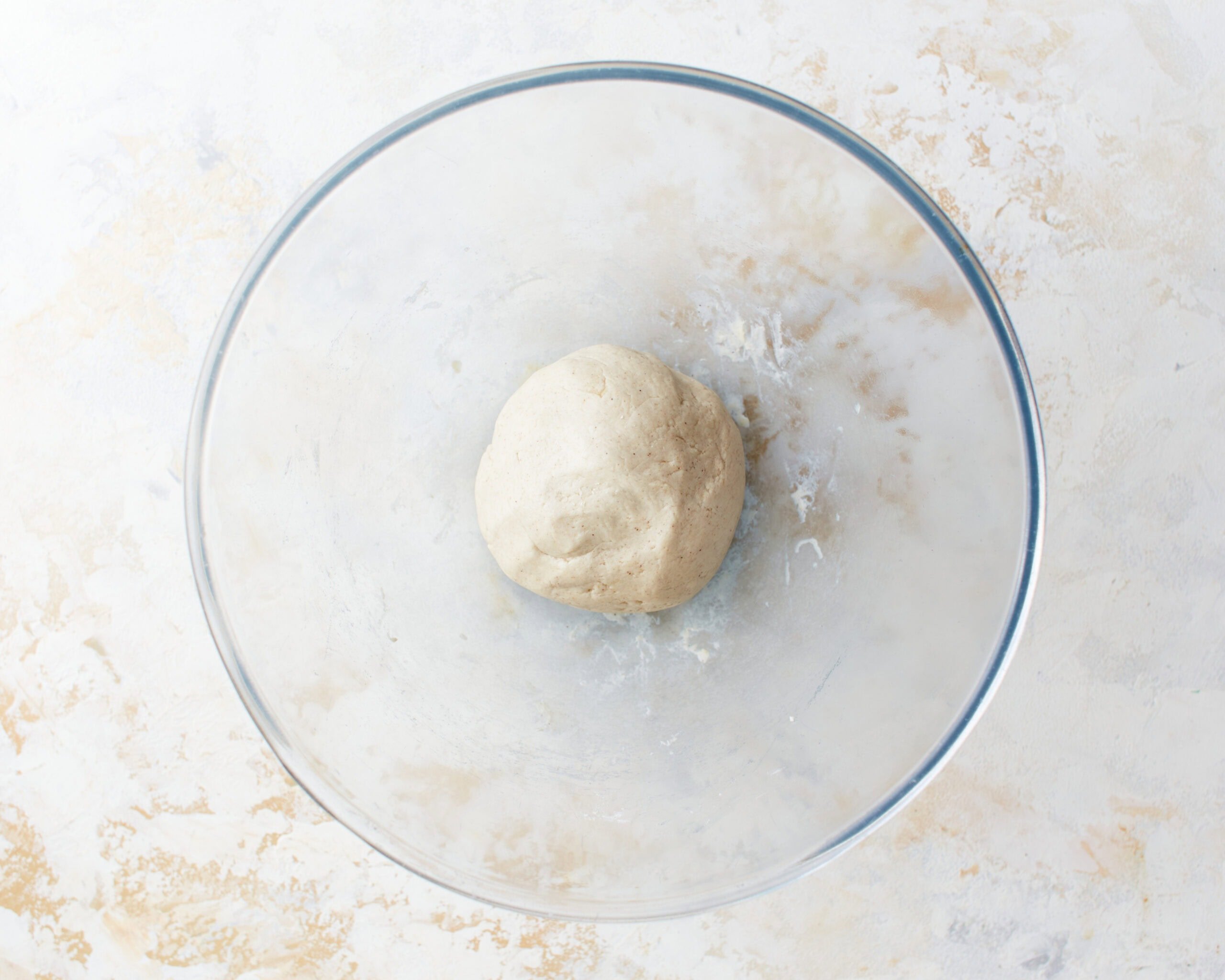
Bring the dough together: Using your hands, continue mixing until the dough comes together into a smooth ball and all the liquid is absorbed. It should feel soft and slightly tacky, not sticky enough to cling to your fingers. Turn the stove to medium-high heat and preheat your greased cast-iron skillet (or another heavy skillet) while you roll out the dough. Starting the skillet now means it’s fully hot by the time your first tortilla hits the pan, which is what gives you those light brown spots instead of a pale, gummy tortilla.
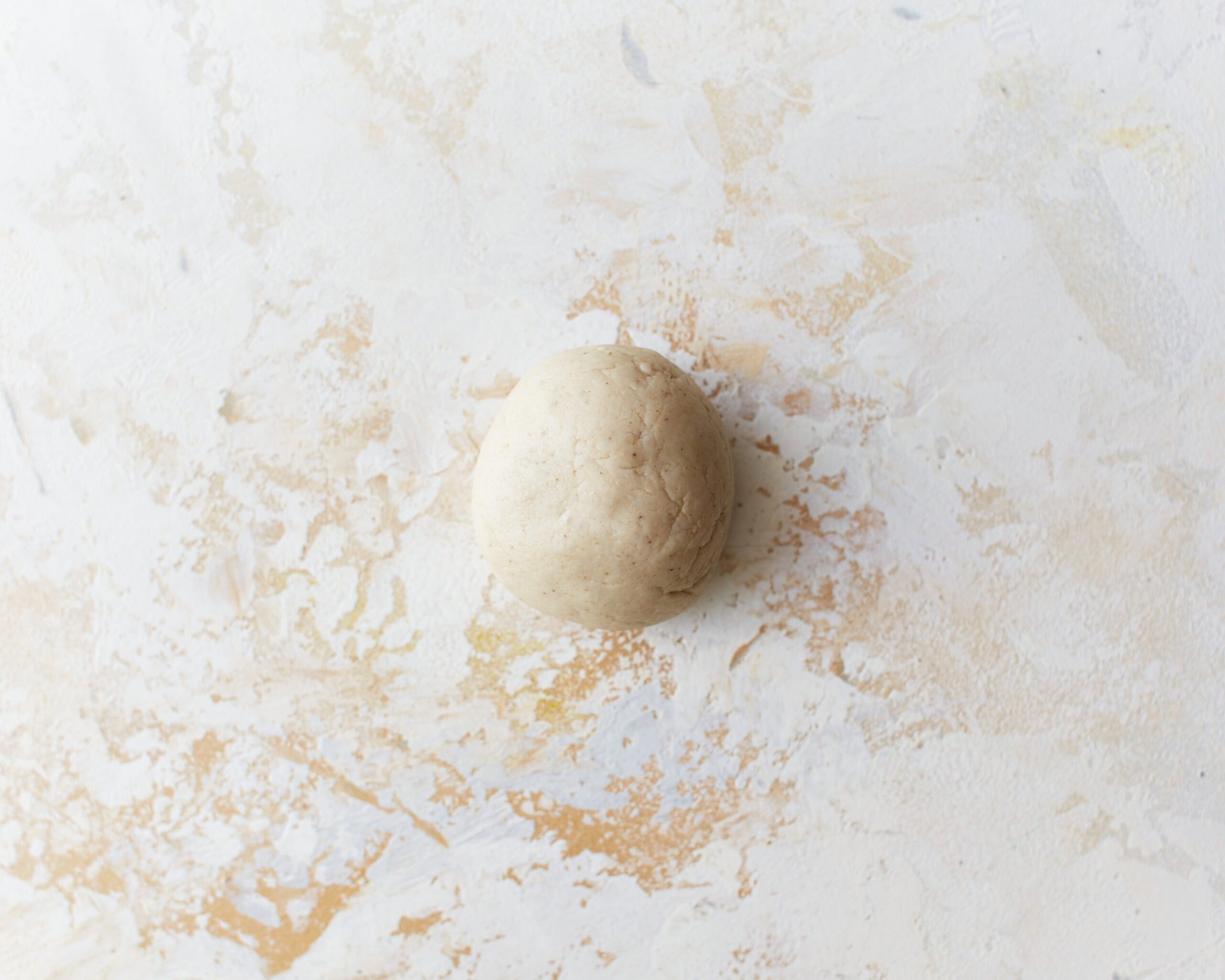
Portion the dough: Pinch off a golf ball-sized piece of dough and roll it into a smooth ball. You’ll have eight dough balls total.
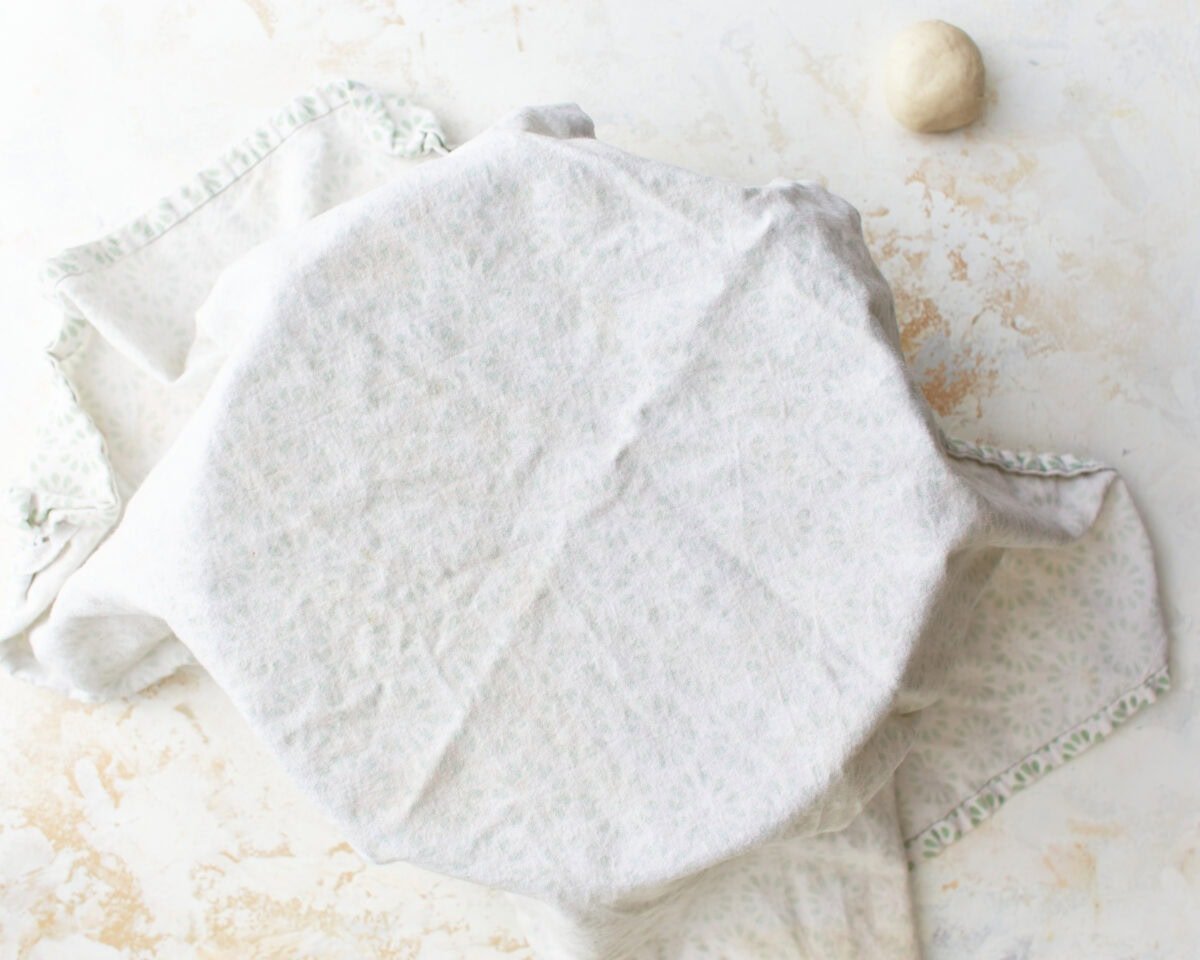
Cover the remaining dough: Cover the bowl of remaining dough with a towel while you roll out each ball. Gluten-free dough dries out fast once it’s exposed to air, and dry dough is what cracks later when you try to fold it.
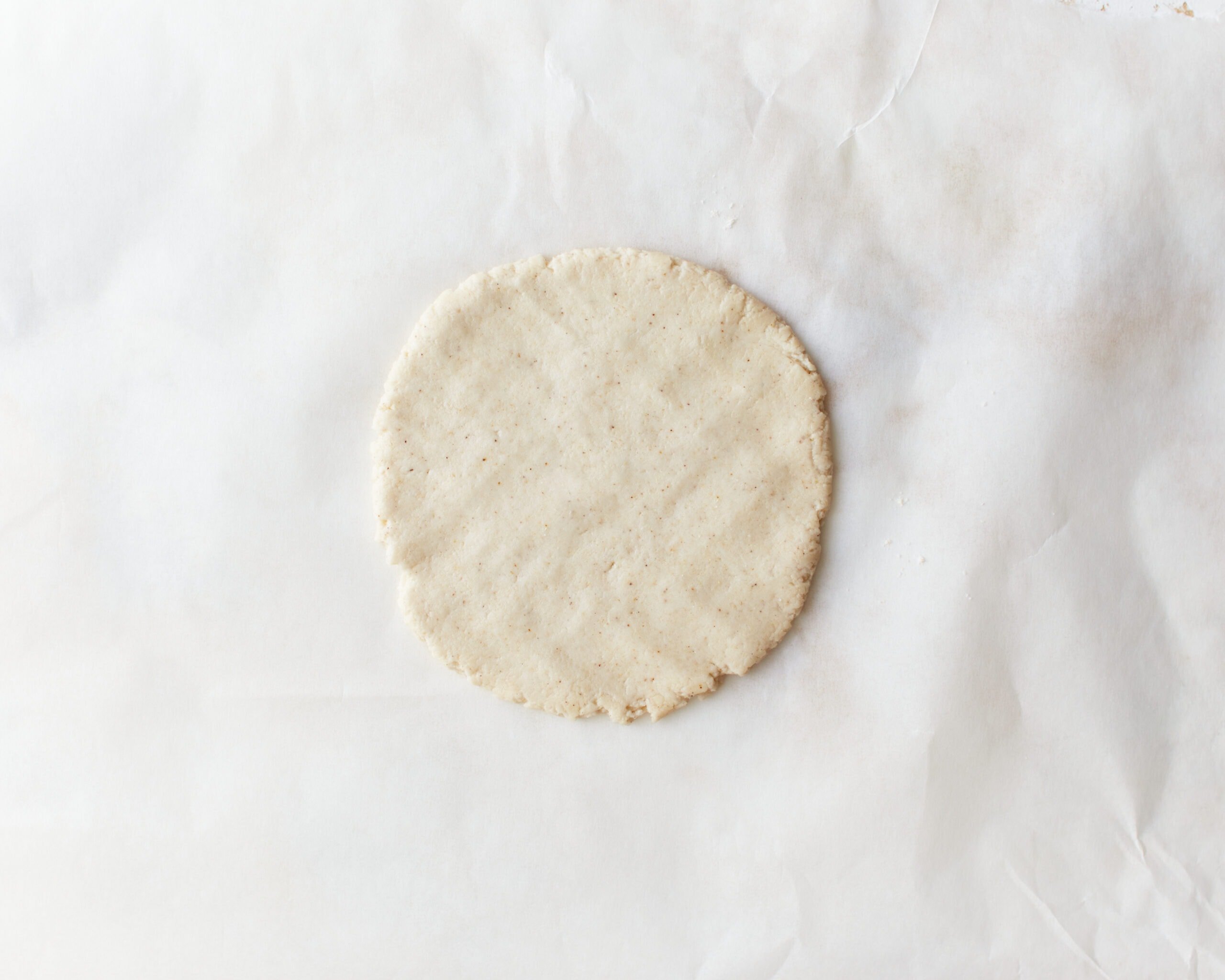
Flatten each ball: Place a dough ball on parchment paper and flatten it with your hand into a disk shape.
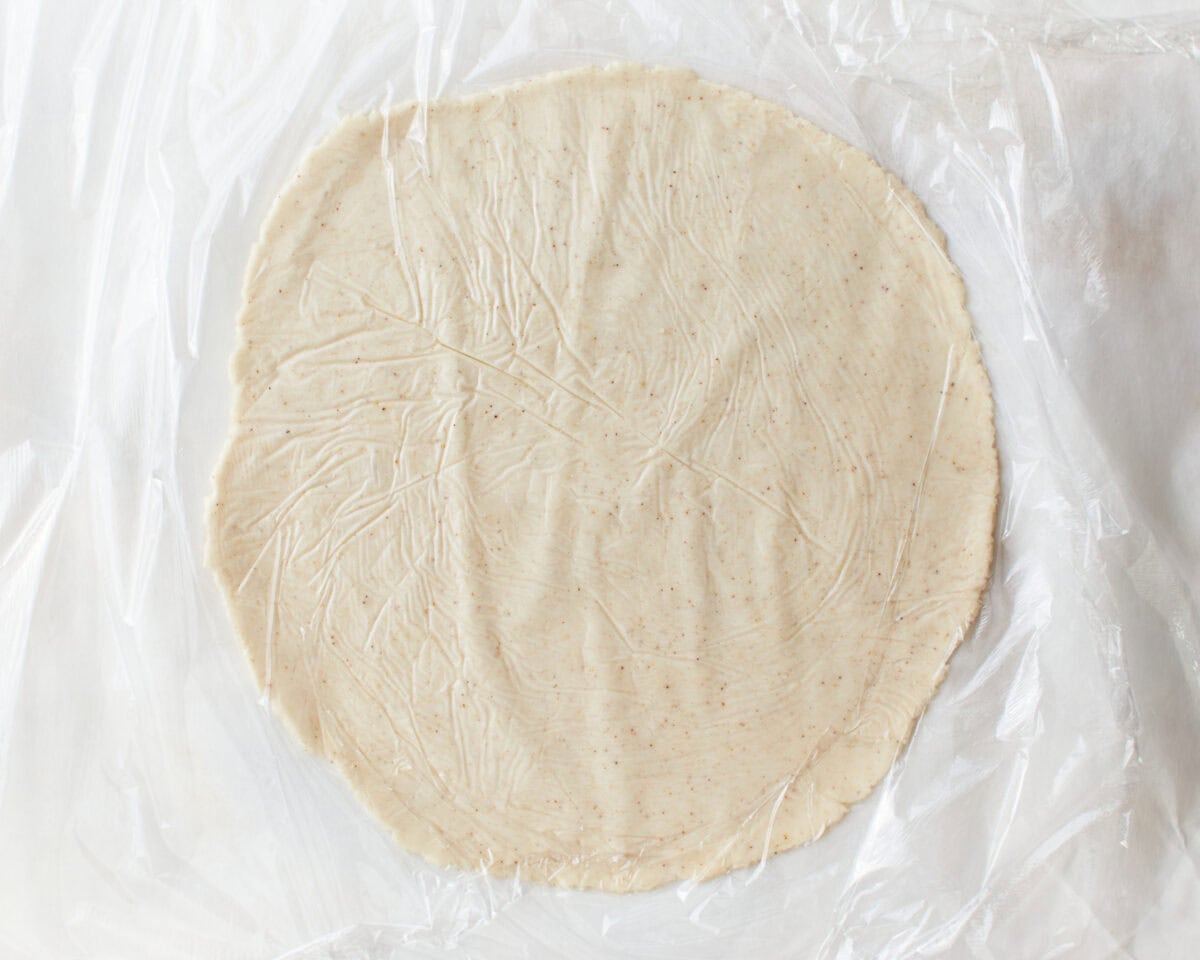
Roll it out thin: Lay plastic cling wrap or parchment paper over the dough and roll it into a 7-inch circle with a rolling pin. Roll until it’s thin enough that you can almost see your hand through it. That thinness is what makes it flexible instead of doughy.
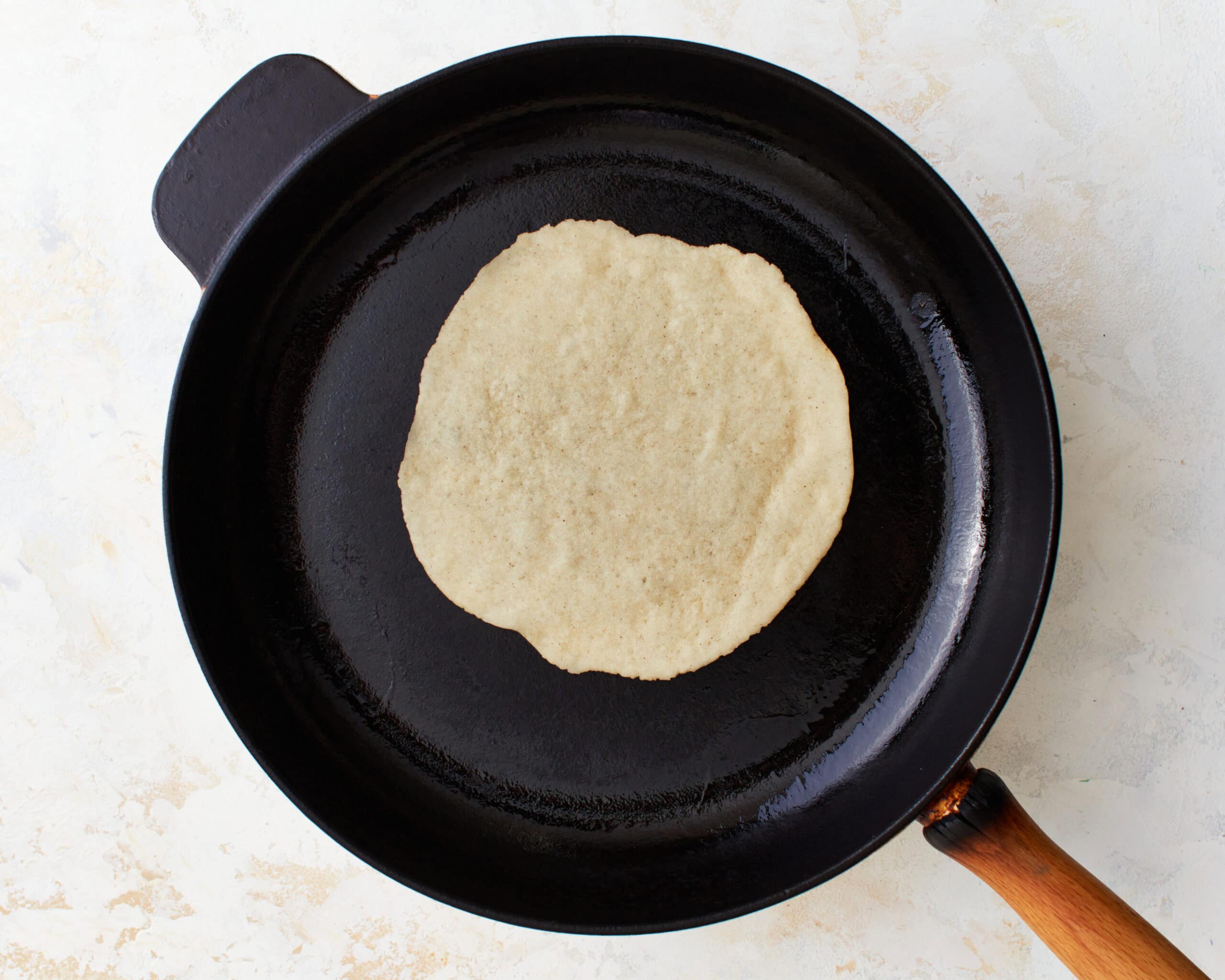
Cook the tortilla: Place the tortilla in the hot, greased skillet. Cook over medium-high heat 30 seconds to 1 minute per side, until lightly browned. Look for a few bubbles on top and a few light brown spots on the underside when you flip it. That’s your sign, it’s cooked through without drying out. If it feels stiff once off the heat, it was cooked too long, or the pan was too hot.
Keep them warm: Stack the cooked tortillas on a plate and cover with a towel. The trapped steam keeps them soft and pliable while you finish the rest.
Cool and store: Once the tortillas have cooled completely, store them in a plastic storage bag and refrigerate. Cooling fully before bagging keeps condensation from making them soggy.
Serving Suggestions
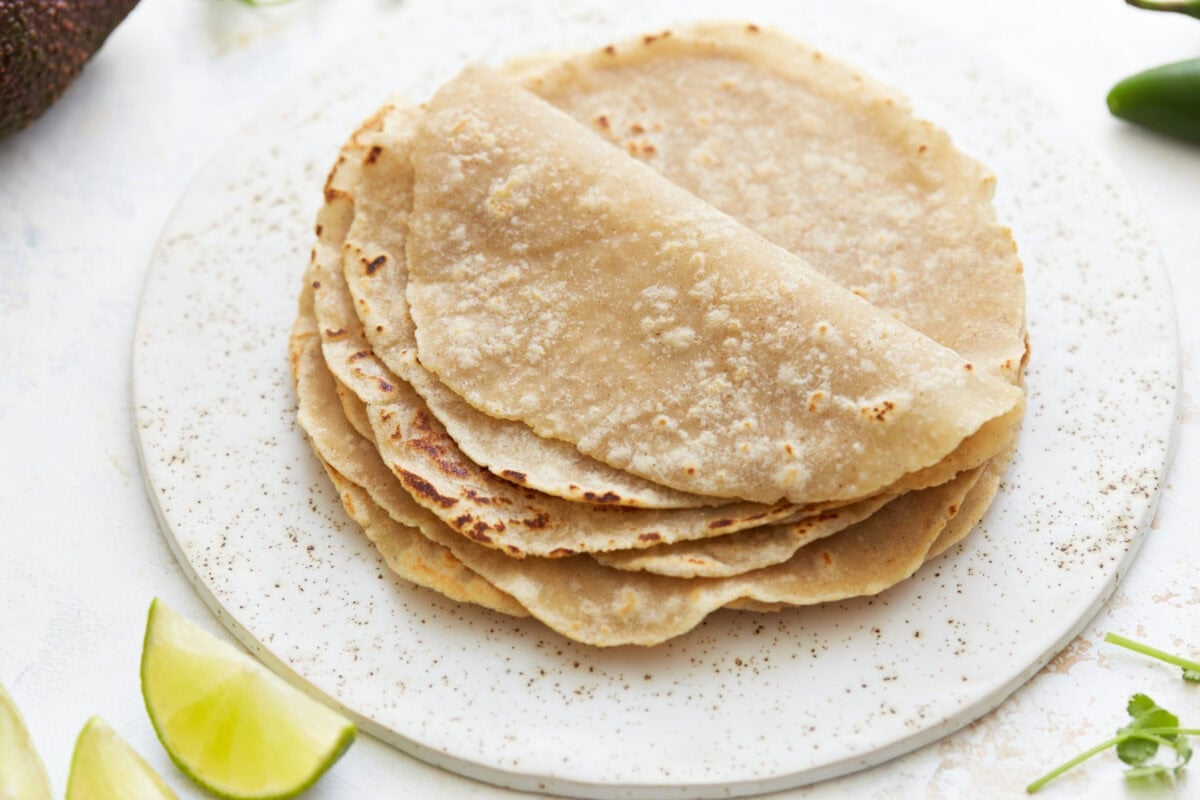
These tortillas flex to whatever size the meal calls for. Keep the dough rolled thin at 7 inches for soft tacos or lunch wraps, roll it slightly thicker for quesadillas so it holds up to folding and a second trip through the pan, or divide the dough into 6 pieces instead of 8 for larger, burrito-sized rounds. This recipe makes 8 tortillas, which is 1 serving per tortilla on the nutrition label. Plan on 2-3 tortillas per person for a taco dinner, and 1 per person for wraps or quesadillas.
For a taco night that matches the photos above, warm a tortilla, fill it with well-seasoned meat using gluten-free taco seasoning, then top with avocado, sliced jalapeño, a squeeze of lime, and fresh cilantro, a mix of creamy, spicy, and bright that’s worth building dinner around. Swap in shredded or grilled chicken from the gluten-free chicken recipes collection for a different protein, roll these around a beef and cheese filling, and bake them the way I do in gluten-free beef cheese enchiladas for a heartier meal, or try gorditas next, which use this same dough technique, shaped and stuffed differently.
Storage Instructions
Store cooled tortillas in a sealed plastic storage bag in the refrigerator for up to 5 days. Let them cool completely before bagging, since sealing them while still warm traps steam and makes them go soggy faster.
Freezer
Stack the completely cooled tortillas with a piece of parchment paper between each one so they don’t fuse together, wrap the stack in freezer-safe wrap, and place it in a freezer bag. Freeze for up to 3 months. Defrost in the refrigerator overnight, or straight from frozen in the microwave for about 20 seconds per tortilla.
Reheating
Warm tortillas on the stovetop in a dry pan for about 20 seconds per side, just until they’re warmed through and pliable again, or microwave them stacked between two damp paper towels for 15 to 20 seconds. The damp towel is what keeps them soft instead of drying them out and turning them brittle.
Make Ahead
The dough can be made and shaped into a ball up to a day ahead. Keep it covered tightly and refrigerated, then let it sit at room temperature for about 20 minutes before rolling and cooking, since cold dough is stiffer and harder to roll thin.
More Gluten-Free Tortillas & Flatbreads to Try
- Gluten-Free Crepes: Thin, delicate pancakes made from a pourable batter, cooked quickly in a hot pan, then rolled or folded around sweet or savory fillings. Same technique family as this recipe, so if you like how forgiving this tortilla dough is to work with, you’ll like this one too.
- Gorditas: Thick, pillowy rounds of dough that get split open and stuffed with beans, cheese, or shredded chicken instead of rolled around a filling. Several readers asked about a corn-tortilla alternative in the comments, and this hand-shaped, skillet-cooked recipe is the answer.
- Almond Flour Tortillas: A grain-free tortilla made with almond and coconut flour instead of a gluten-free flour blend, lower in carbs and higher in protein, but still soft enough to bend and fold. Worth trying if you landed here looking for a grain-free version.
- Cassava Flour Tortillas: Made from the starchy cassava root plus a little tapioca flour for stretch, instead of a gluten-free flour blend. It’s naturally paleo-friendly and just as soft and pliable as this recipe, a good next one to try if you want a root-vegetable-based option.







Xanthan gum is a dangerous “chemical” and should never be ingested by humans as it can cause massive gut issues which can eventually lead to a collection of sicknesses.
Hi Island, thanks for sharing your concern. Consuming xanthan gum in very large amounts can cause digestive discomfort (bloating, gas, or looser stools) for some people, especially if introduced quickly. The amounts used in this recipe are within what’s considered safe for consumption.
Literally the worst experience of making tortillas I’ve ever had. Used PC GF flour. After the first failed one, I quickly went back in and added an egg and some more water.
Hi Melissa, I’m so sorry to hear the recipe didn’t work out for you. Gluten-free flours can behave very differently from one brand to another, and unfortunately that can have a big impact on recipes like tortillas. While many readers have had success with this recipe, not every gluten-free flour blend is a 1:1 substitute. We haven’t tested it with PC Gluten-Free Flour, so it’s possible that blend absorbed the liquid differently. We really appreciate you sharing which flour you used, as that can help other readers. If you’d be willing to share a few more details about what went wrong (too dry, too sticky, cracking, etc.), I’d be happy to help troubleshoot.
These turned out pretty good. I ended up flattening the ball of dough with my hand and slowly pushing and shaping the circle with my hands instead of the rolling pin to achieve the perfect shape. The 1st tortilla I made using the rolling pin was terribly out of shape. My hands worked better. Lol. I also inverted the tortilla on the pan while still having the parchment paper on it and it was so easy to peel off after a few seconds.
too sticky, didn’t form a ball
Sorry these didn’t turn out for you Kate
Have you ever made this without a cast iron skillet? I don’t have one.
Hi Cynthia, you can try another type of heavy skillet if you don’t have a cast iron.
I am planning on making a yeasted gluten free bread loaf recipe of yours. It suggested Pillsbury gluten free flour.
I looked at this tortilla recipe and it calls for the Better brand. To get the best results from these recipes should I use both or is one brand superior in both recipes?
Hi, either flour should work!
Awesome. Can I use gf cornmeal to make corn tortillas? Or what would you suggest?
Hi Janet, we’d recommend using Masa Harina. We don’t have a corn tortilla recipe, however, you could use our Gordita recipe, just omit the oil and press them into your desired thickness. Cook on a dry skillet: https://www.mamaknowsglutenfree.com/gorditas/
Excellent, not keen on the shop bought ones.
I can’t use the xanthan gum. Is there any other binder you would recommend
Hi Sherry, guar gum might work but we haven’t tested this recipe without the xantham gum.
Thank you for sharing this easy recipe! This is now my go to!! I’ve tried so many gluten-free tortilla recipes and this is by far the best tasting and closest match to wheat-flour tortillas with less steps and less ingredients! I use a pinch more salt and substitute 1 tablespoon unsalted butter with 1 tablespoon of avocado oil for the oil and use a tortilla press instead of rolling which makes it super quick!