Easy Gluten-Free Pancakes

Updated
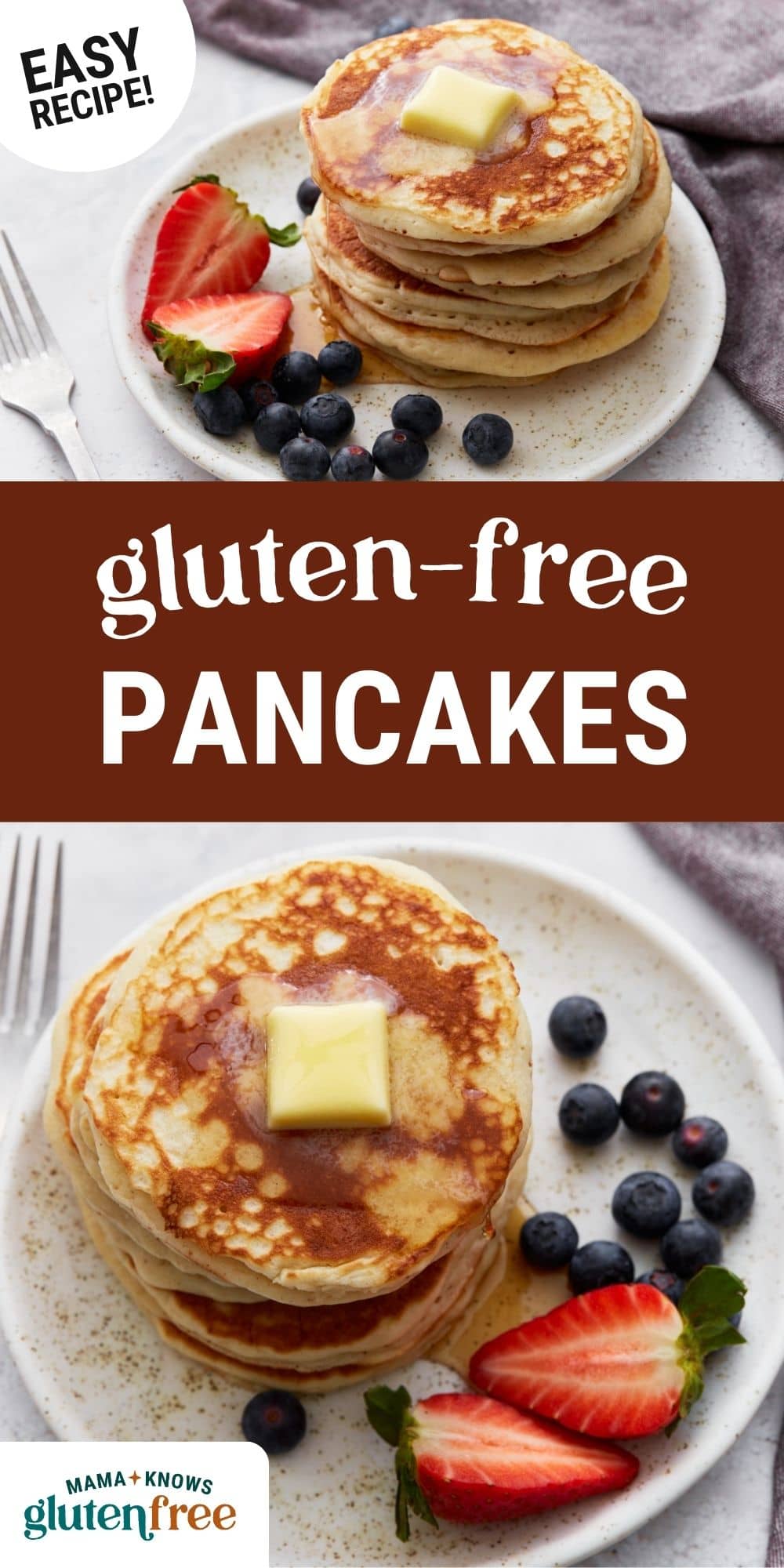
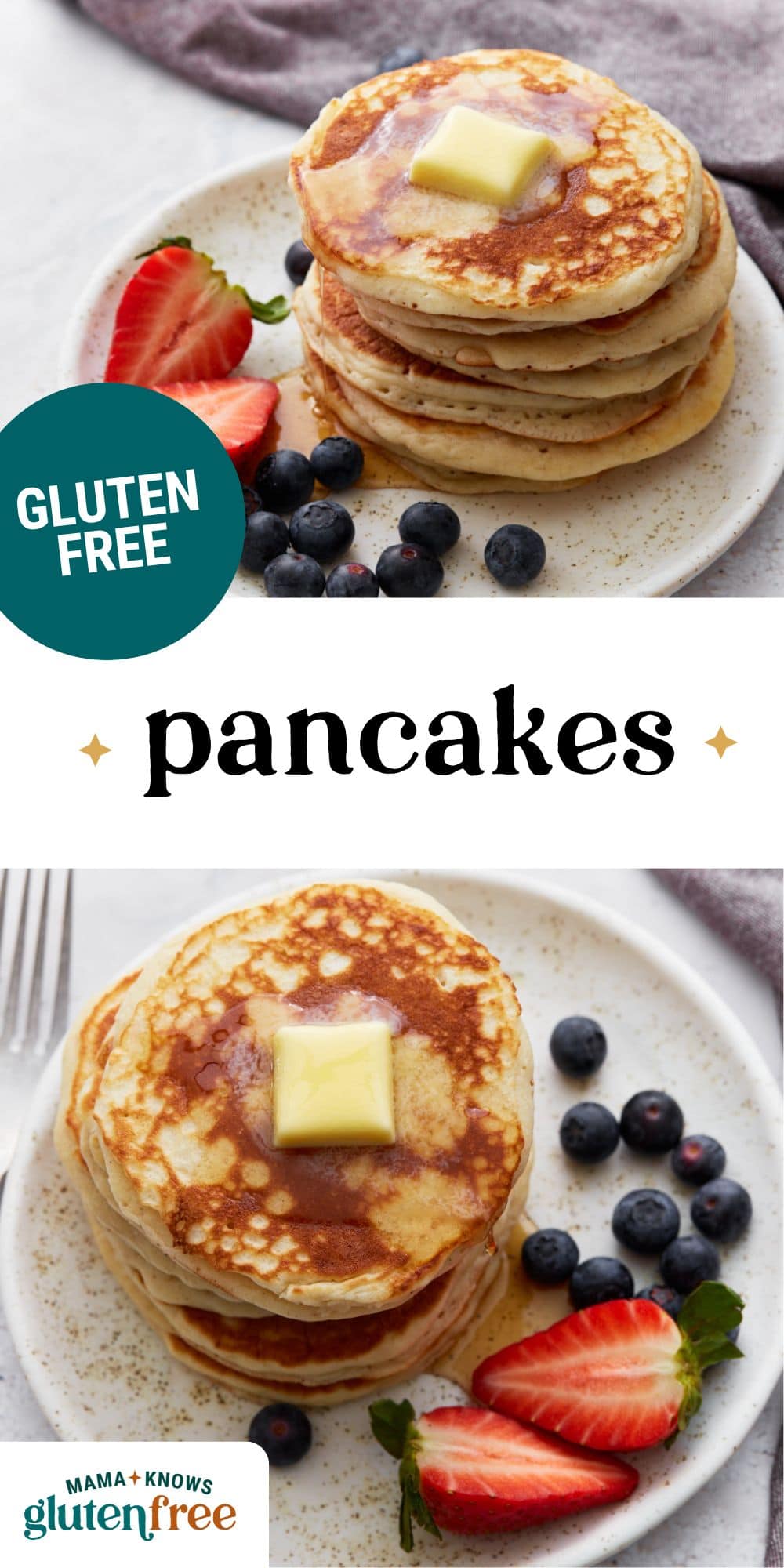
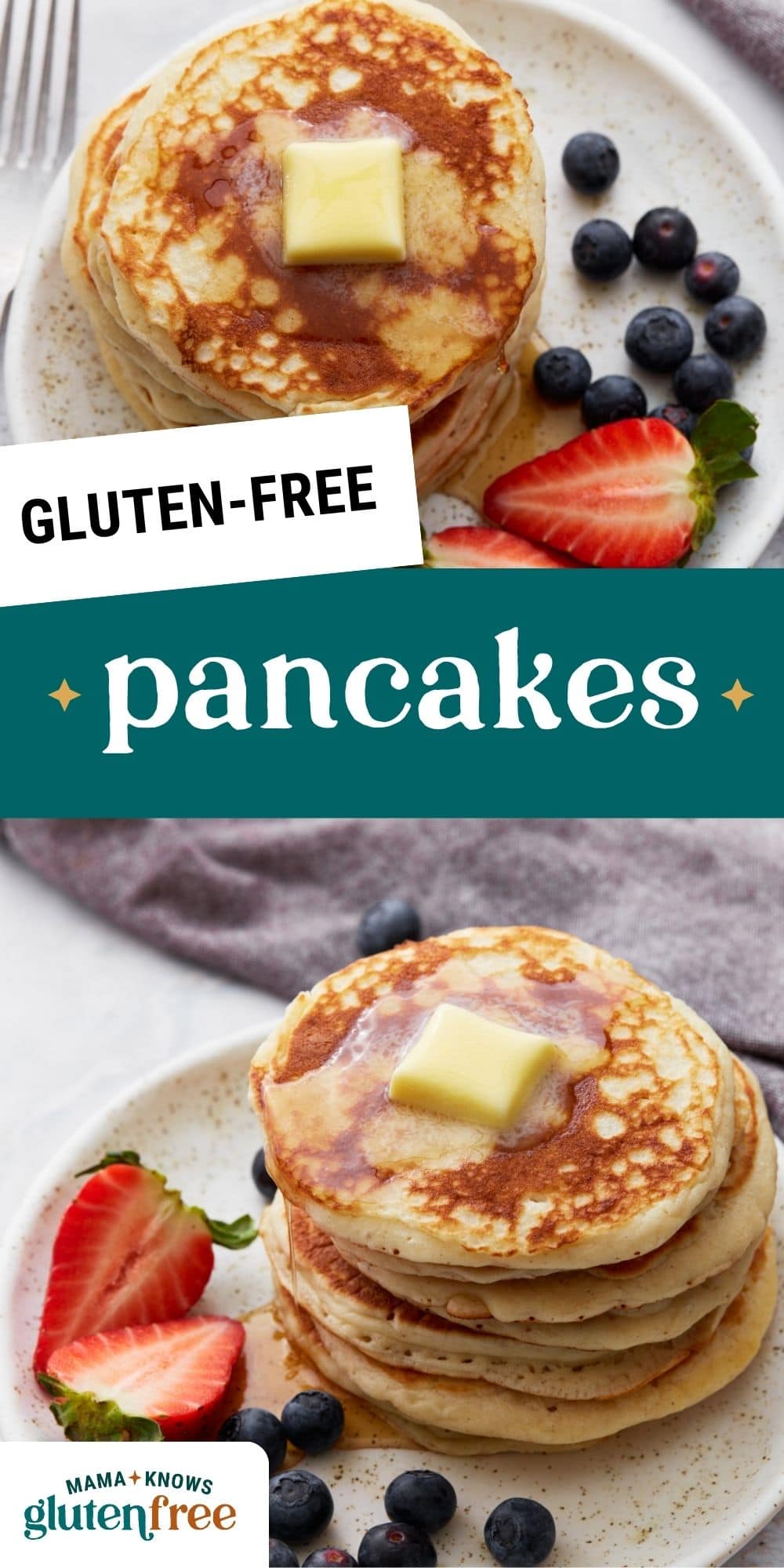
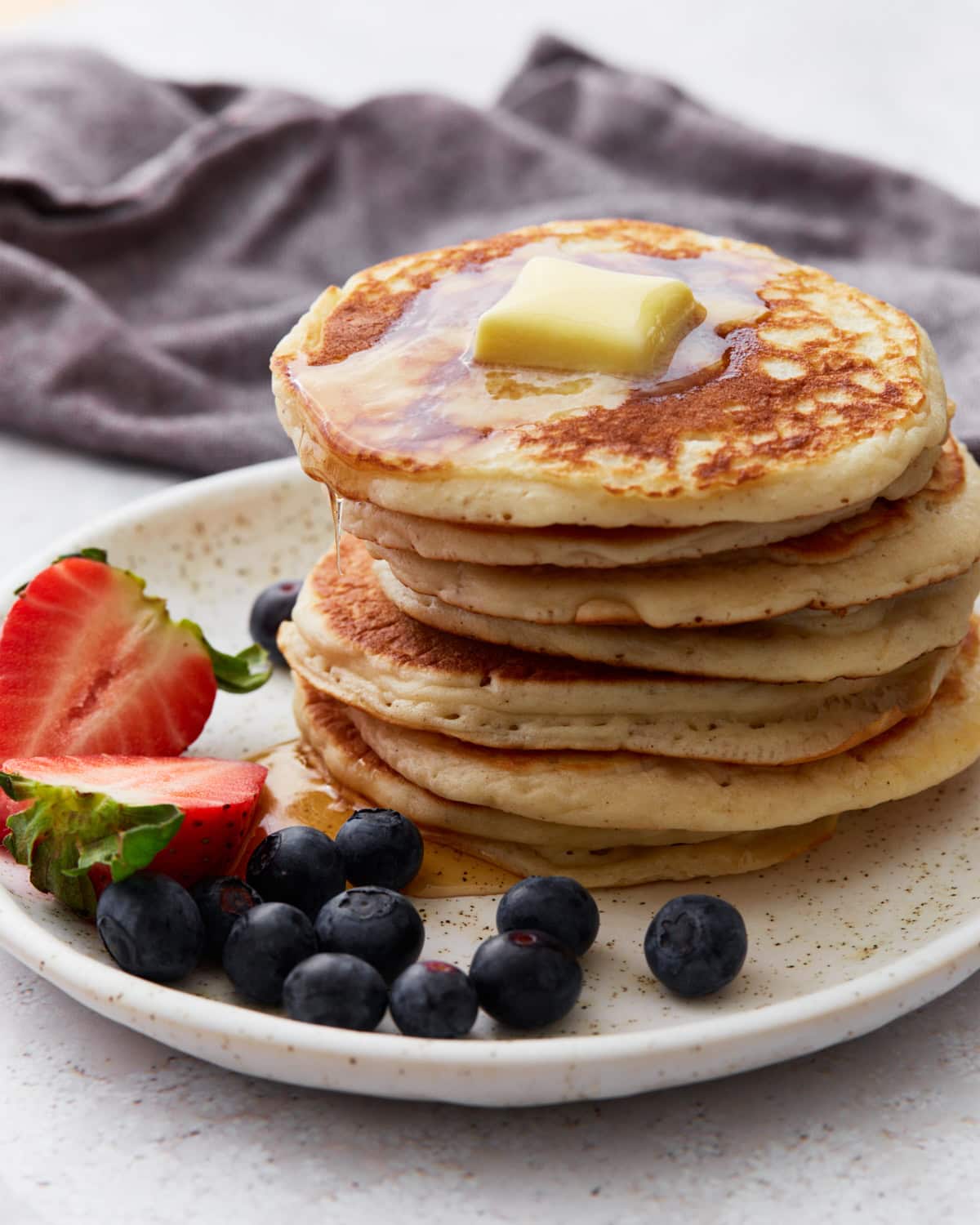
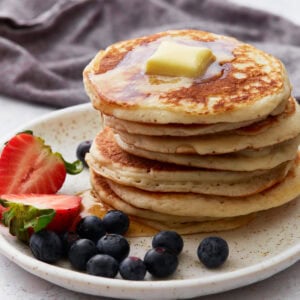
I always keep this easy gluten-free pancake mix on hand—it’s made with pantry staples and comes together in minutes. You can store the dry mix in an airtight container and just add the wet ingredients when you’re ready to cook. It’s just as convenient as a boxed mix but even better tasting.
My Go-To Gluten-Free Pancake Recipe
For years, I used gluten-free Bisquick, but with a big family, going through an entire box each time got expensive. Then, I remembered my mom’s Betty Crocker recipe she made all the time when I was a kid, I figured I could make some small adjustments to fit it into our dietary needs. That’s how I came up with this recipe—and even my gluten-free banana pancakes, which have become a family favorite.
I usually double the recipe to feed my crew, but if you have extras, they freeze beautifully for quick breakfasts later. You can customize them with your favorite mix-ins to make them even better. Try blueberries, chocolate chips, or your favorite add-ins. Whether you’re making a small batch or enough to feed a crowd, these pancakes turn out perfectly light and fluffy every time!
Easy Gluten-Free Pancakes
Ingredients
- 2 tablespoons granulated sugar
- 2 tablespoons vegetable oil
- 1 egg, Vegan option use Bob's Red Mill gluten-free egg replacer
- 1 teaspoon pure vanilla extract
- 1 cup all-purpose gluten-free flour*, I like Pillsbury gluten-free flour. Not all gluten-free flours are created equal. You may experience different baking results depending on the gluten-free flour blend you choose.
- 1/4 teaspoon xanthan gum, (leave out if your flour blend already has it)
- 1 tablespoon gluten-free baking powder
- 1/4 teaspoon salt
- 3/4 cup milk, dairy-free/Vegan use almond, cashew, or coconut milk
Instructions
- In a large bowl whisk the egg (or egg replacer), granulated sugar, pure vanilla extract, and the vegetable oil together.
- Add the gluten-free flour, xanthan gum (leave out if your flour already has it), gluten-free baking powder, and salt to the egg mixture and mix until fully combined.
- Stir in milk and mix until smooth. For thinner pancakes stir in 1 to 2 tablespoons of milk.
- Scoop the batter into a 1/4 cup measuring cup and pour the batter onto a greased griddle or pan for each pancake. I love using an electric griddle set to 350°F for even cooking.
- Cook the pancakes until the batter starts to bubble and pancakes start to puff. Flip/turn the pancakes and cook the pancakes until they are golden brown.
- Top with butter, syrup or favorite topping. Enjoy!
Notes
Nutrition
Nutrition information is automatically calculated, so should only be used as an approximation.
How to Make Easy Gluten-Free Pancakes Step by Step
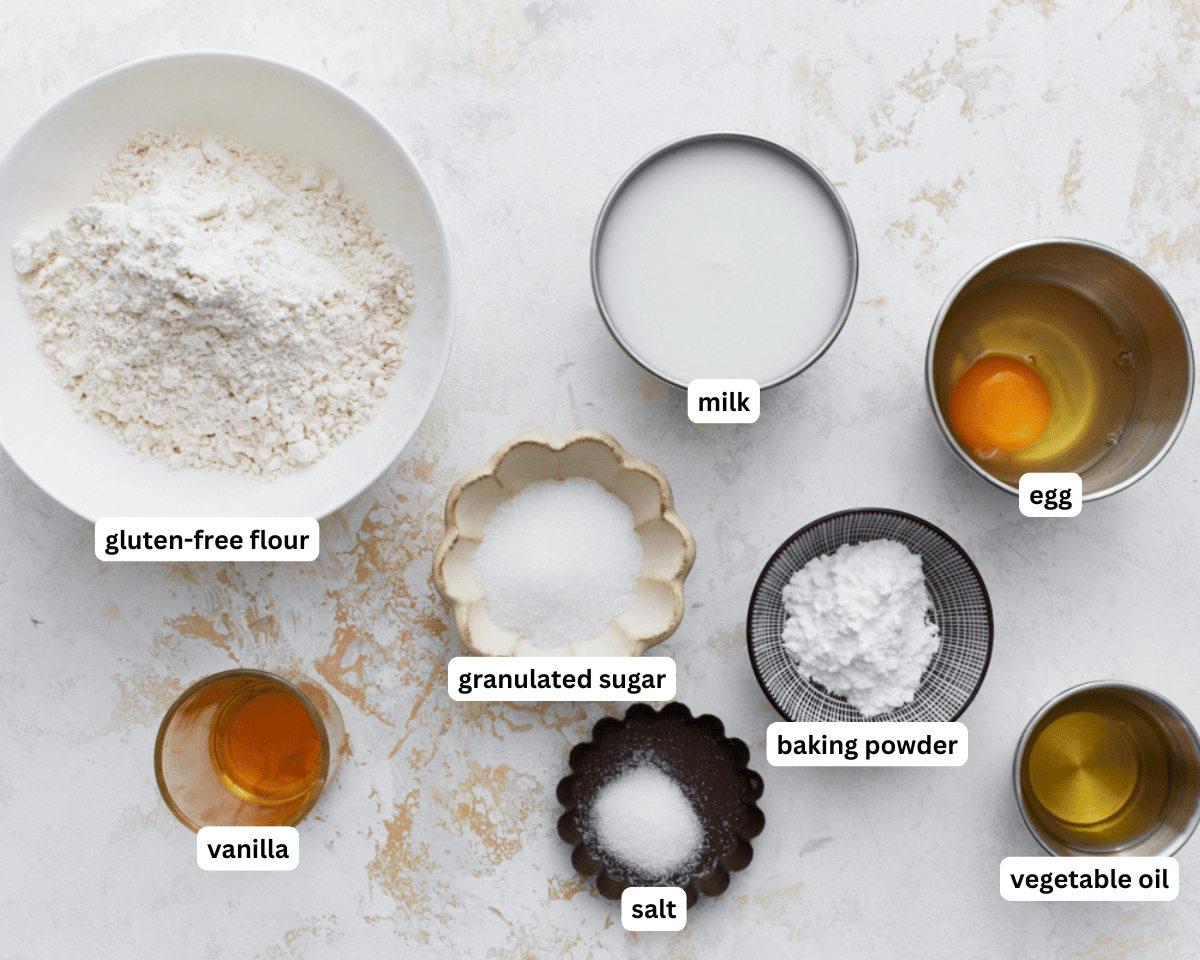
Gather the Ingredients: Gather all the ingredients together.
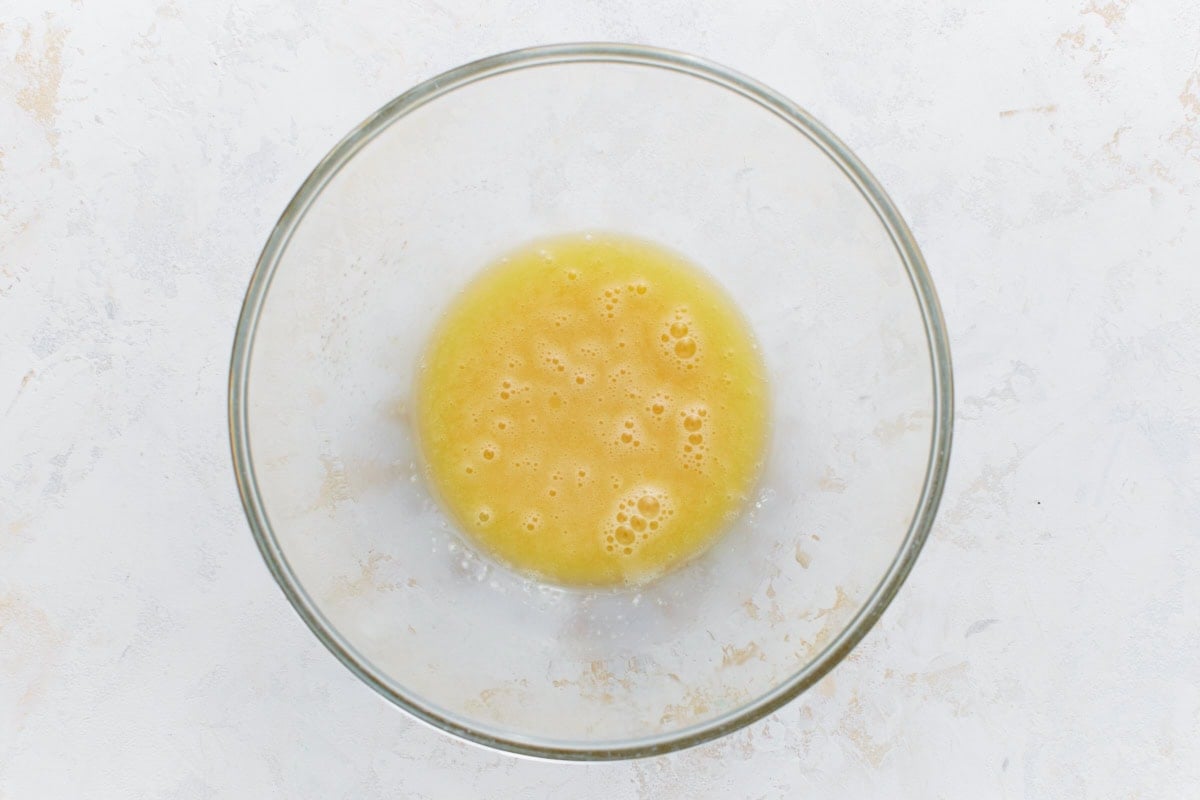
Combine the Wet Ingredients: In a large mixing bowl, whisk together 2 tbsp granulated sugar, 2 tbsp vegetable oil, 1 egg (or egg replacer), and 1 tsp pure vanilla extract.
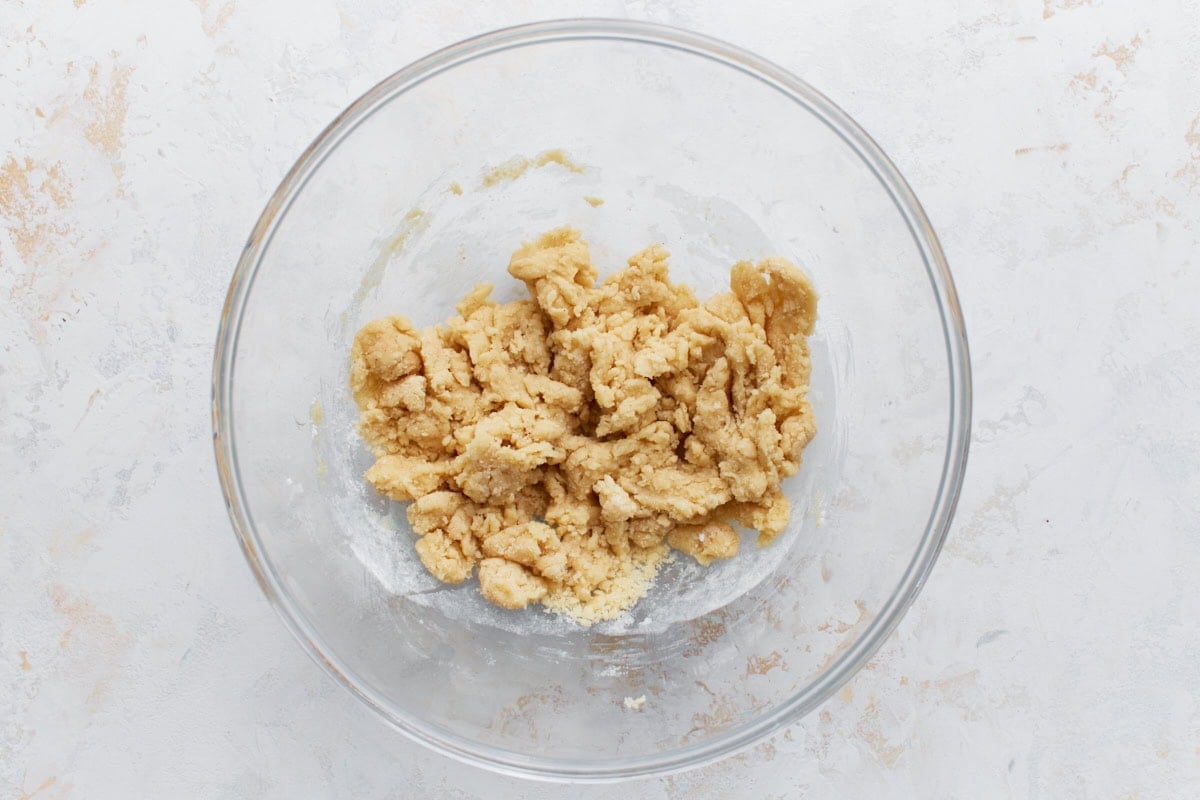
Mix in the Dry Ingredients: To the wet ingredients, add 1 cup gluten-free flour, ¼ tsp xanthan gum (if your flour doesn’t include it), 1 tbsp gluten-free baking powder, and ¼ tsp salt. Mix until the ingredients are combined.
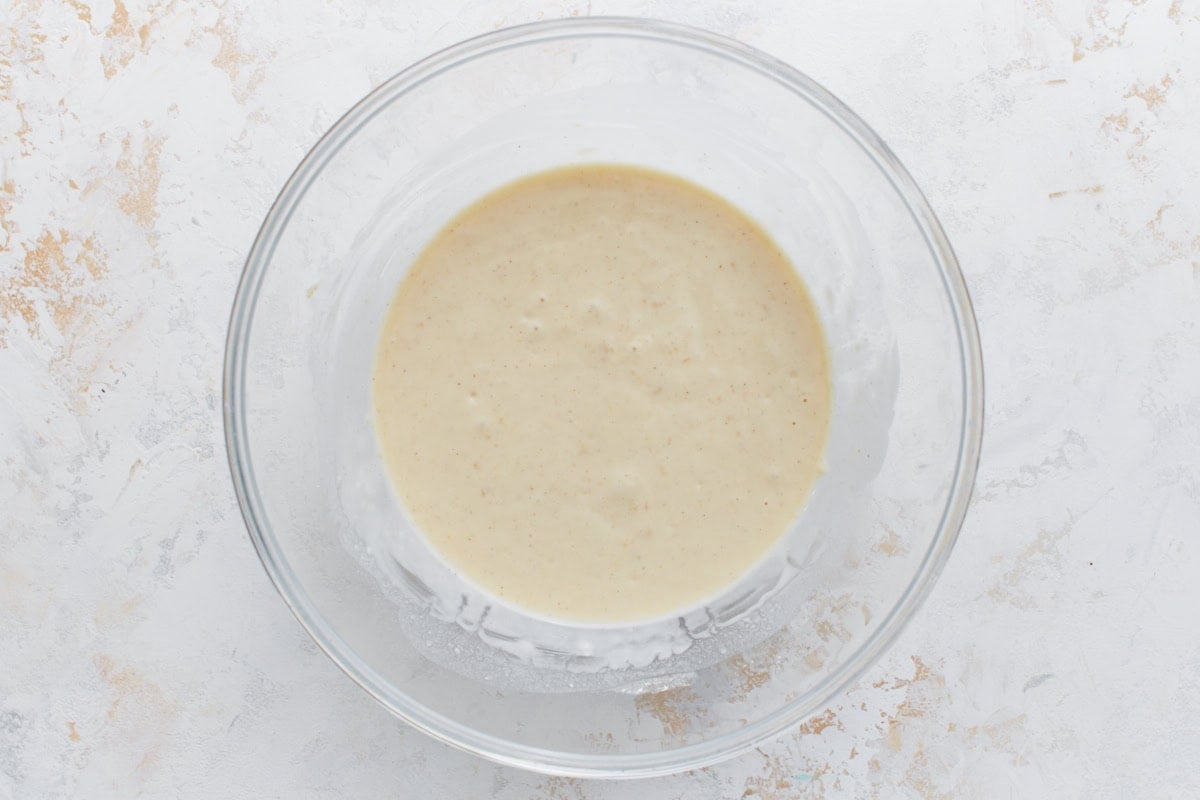
Add the Milk: Mix in ¾ cups milk (or dairy-free alternative) and whisk until the batter is smooth. If you prefer thinner pancakes, add an extra 1-2 tbsp milk.
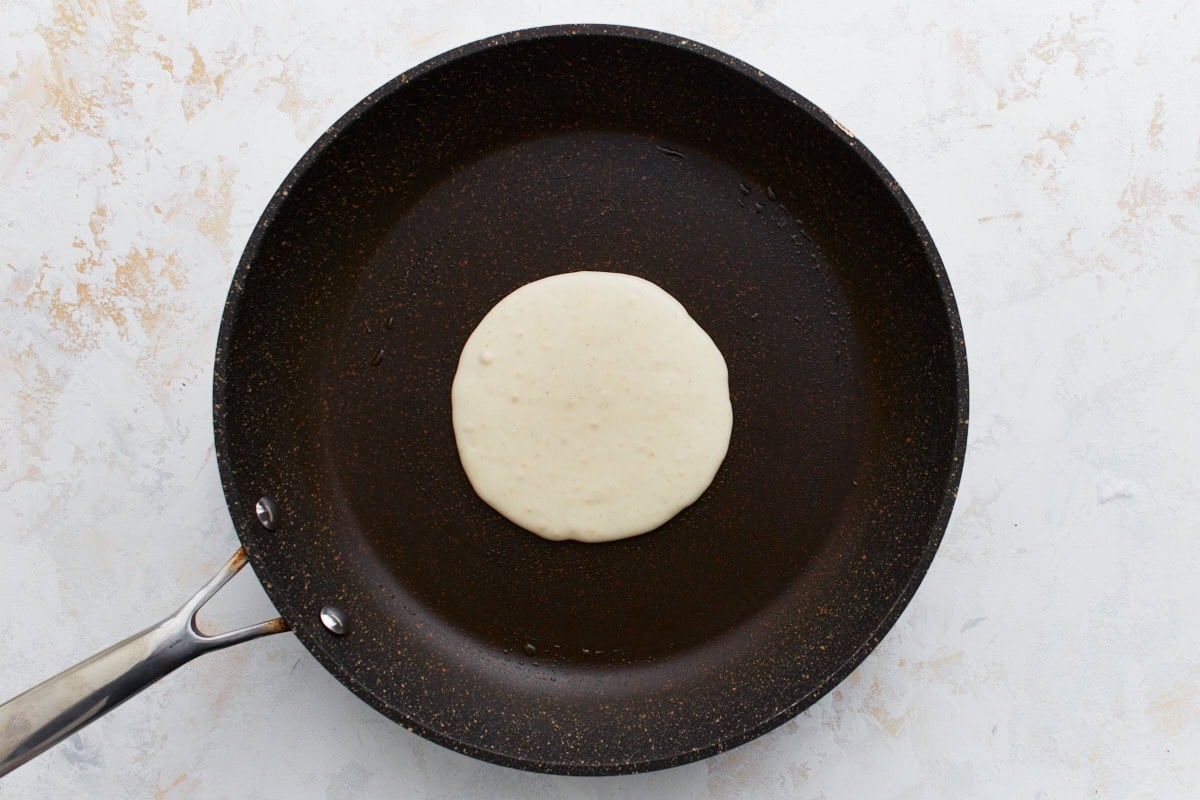
Scoop the Batter: Use a ¼ cup measuring cup to scoop the batter out and pour it onto the greased hot griddle or pan. I love using an electric griddle set to 350°F for even cooking.
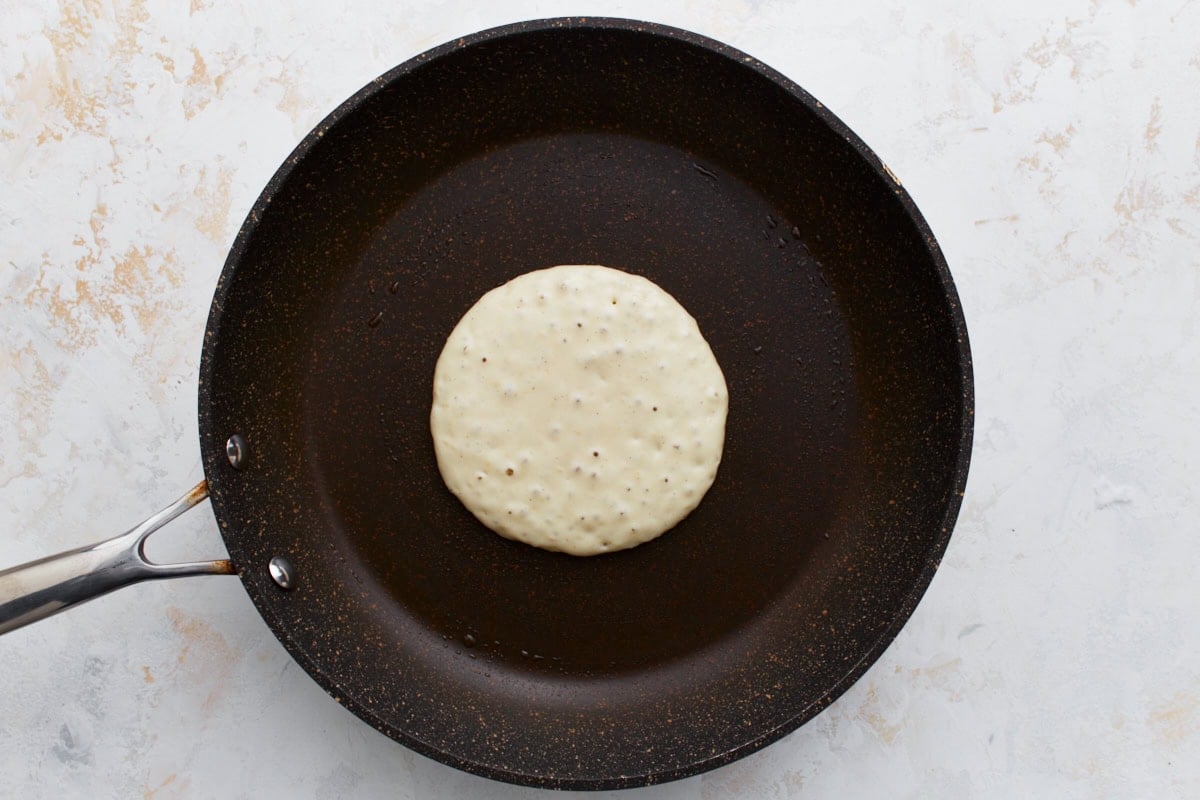
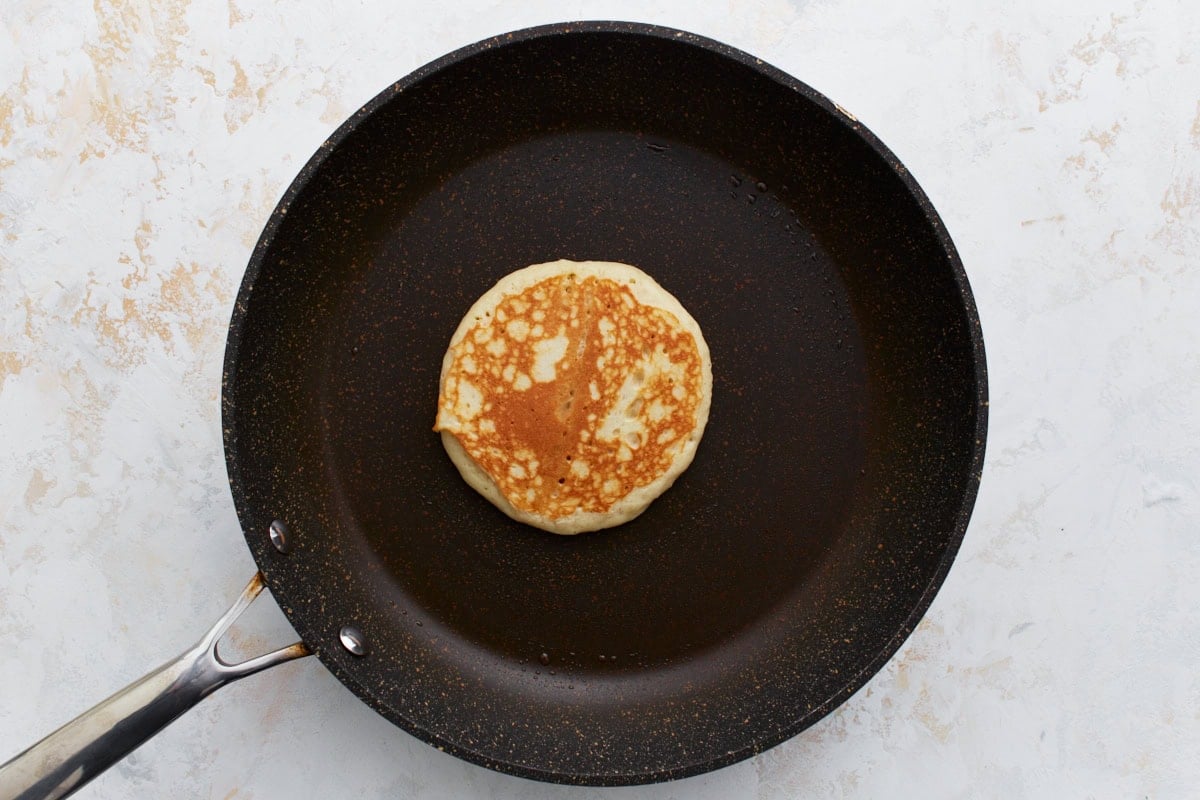
Cook the Pancakes: Cook the pancakes until bubbles form on the surface and they begin to puff up. Flip them over and cook until golden brown.
Top the Pancakes: Top with your favorite pancake toppings like butter and maple syrup. Check your syrup—not all are gluten-free. I always go for pure maple syrup.
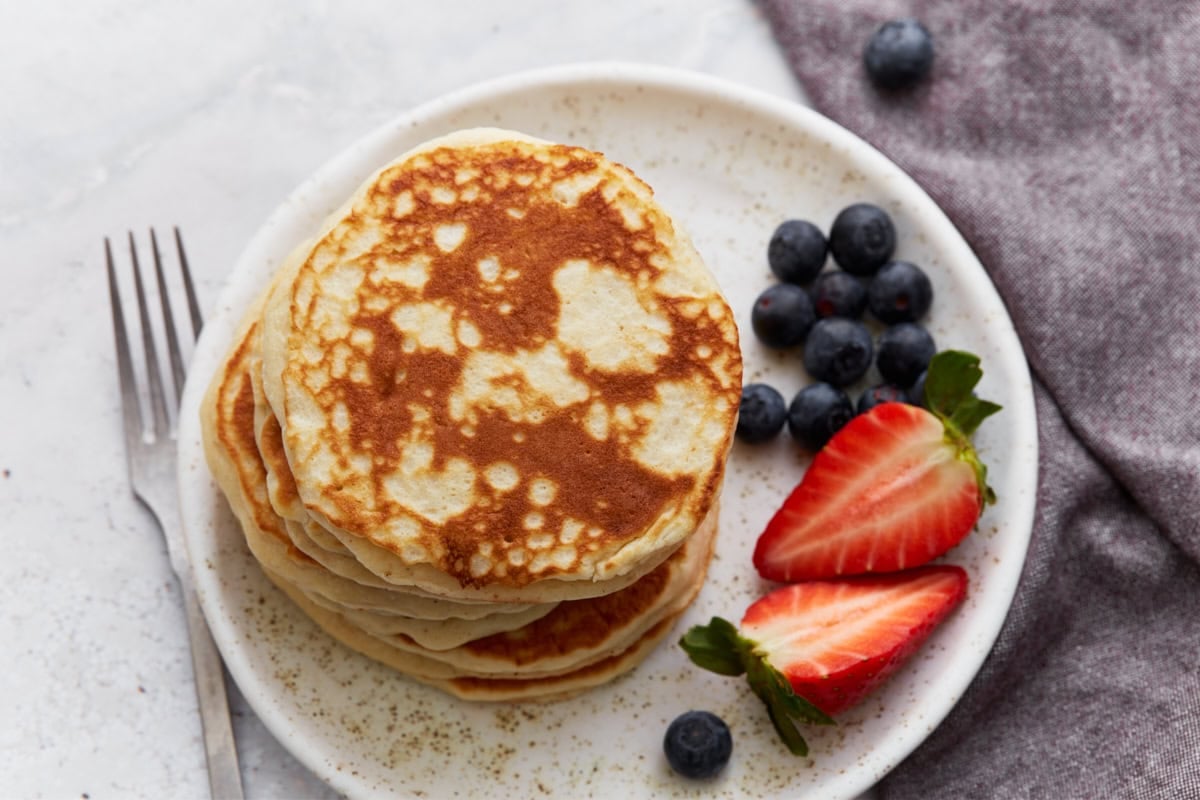
Serve and Enjoy: Serve the pancakes up warm and enjoy!
Serving Suggestions
One of the best things about these gluten-free pancakes is how easy they are to customize! My family loves adding different mix-ins to keep breakfast fun and delicious. Sometimes, we go classic with chocolate chips or fresh blueberries, while other times, we get creative. For a chocolatey twist, I mix in cocoa powder and a little sugar, or go all out with a chocolate peanut butter combo—cocoa powder, chocolate chips, and a swirl of peanut butter. For a savory spread, I’ll serve these alongside frittata and crispy bacon.
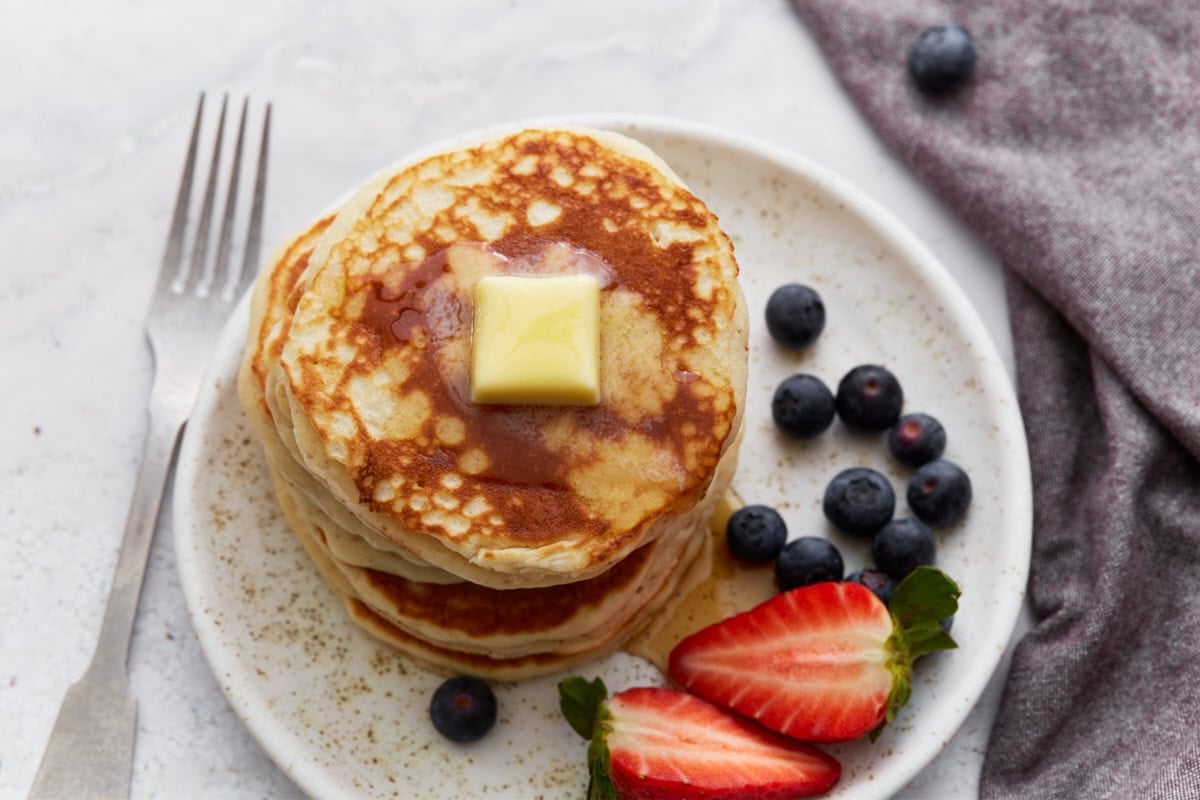
Storage Instructions
I’ll store leftovers in the fridge in an airtight container for up to 4 days. To reheat them, I pop them on a plate and microwave them for 20-30 seconds. My kids also love popping them in the toaster for a crispier texture.
It’s easy to make extra gluten-free pancakes and freeze them for busy mornings. Simply let them cool, place them on a parchment-lined baking sheet, and flash freeze for 10 minutes to prevent sticking. Then, transfer them to a freezer-safe bag or airtight container for easy storage and quick reheating.
More Brunch Treats to Make
Gluten-Free Beignets: These pillowy, fried dough squares dusted in powdered sugar feel like a bakery treat at home and make any gluten-free brunch spread feel extra special next to pancakes and coffee.
Gluten‑Free Buttermilk Biscuits: Another fluffy, comforting baked good that fits into breakfast or brunch round-ups with pancakes.
Gluten-Free Waffles: Crispy on the outside and fluffy inside, these waffles are a brunch classic that pairs perfectly with pancakes, fresh fruit, and a hot cup of coffee.
Buckwheat Waffles: If you love gluten-free pancakes, these buckwheat waffles are another great breakfast option. They have the same hearty flavor and fluffy texture, but cook up crisp in the waffle iron for a delicious twist on classic pancakes.







So fluffy and tasty! Easy to make with simple ingredients. Thank you!
Thank you Anne-marie! So glad you loved the gluten free pancakes!
After freezing do you have any instructions on thawing and reheating?
Hi Trish, to reheat from frozen you can:
Microwave: Place frozen pancakes on a plate and microwave for about 45–60 seconds.
Toaster: Pop them into the toaster.
Oven: For a batch, you can reheat at 350°F for about 8–10 minutes on a baking sheet, flipping halfway, until warmed through.
I made these using a mix of tapioca, maize, rice and sorghum flours and they were the best pancakes I’ve made! We just heated up the leftovers for lunch and they are just as good as they were last night! Thanks for the great recipe 🙂
Thank you Lisa! So glad enjoy the pancakes.
I love this recipe I have been making it for a while and just started putting it in the waffle iron. It is incredible. Thank you for giving me pancakes again!
You’re welcome! We are so glad you like them!
I have made this recipe several times, using Life smart all purpose flour mix (Canadian brand gluten free flour), and it is always successful, though very thick so I usually add a bit more milk.
Yummy, fluffy pancakes. I had one very ripe mushy banana, used the banana as part of the milk. Added crushed pecans. Yum
I have used this recipe for pancakes exclusively for many years now. My entire family loves it. 💜
I made these pancakes for my boyfriend and he really liked them! I’ve tried packaged pancake mix. None compared.
Thank you so much! This is amazing recipe. It’s helped my kiddo who is gluten and dairy free. Thank you.
This is the BEST GF pancake recipe I have found. No one cares that they are GF bcuz they taste just like regular homemade pancakes. I use oat milk and butter for my milk and oil options as that is what we have and they are amazing. Having celiac takes away so many things we are used to having on those weekend mornings. Thank you so much for giving us one of our favorite breakfast foods again!