Gluten-Free Focaccia

Published


Gluten-free focaccia is surprisingly easy to make at home, with a soft, fluffy center and golden, crisp edges. This rosemary focaccia is rich with olive oil in every bite and bakes up beautifully dimpled and tender. It’s the kind of homemade gluten-free bread you pull apart straight from the pan and suddenly realize it’s already half gone.

If you’ve been missing focaccia since going gluten-free, this is the one I keep coming back to. I kept the ingredients simple and tested it with different gluten-free flour blends so it works in real kitchens, not just in theory. I used King Arthur’s Measure for Measure flour, but if you’re using a different blend, I’ll walk you through exactly what to expect so you can get consistent results every time. There’s no complicated shaping, no special equipment, and very little guesswork. You mix the dough, let it rise, press it into the pan, and bake. Every time, it comes out soft, dimpled, and beautifully golden. If you try it, I’d love to hear how it turns out for you.

What I Learned While Testing
- Get the dough texture right. It should be thick, sticky, and scoopable, not pourable like batter. If it looks too loose, mix in 1–2 tablespoons of flour. Slightly under-hydrated dough works better than overly wet dough.
- Choose the right flour blend. The flour you use makes the biggest difference. Stick with a 1:1 gluten-free blend with xanthan gum for the most consistent structure and texture.
- Don’t expect a full rise. Gluten-free dough won’t double like traditional dough. You’re looking for a slight puff, not a dramatic rise.
- Don’t over-proof. Letting the dough rise too long can cause it to collapse and turn dense instead of light.
- Let the dough rest after mixing. Giving it 5–10 minutes to hydrate before shaping helps improve texture and makes it easier to handle.
- Use plenty of olive oil. Oil isn’t just for flavor. It’s what creates those crispy, golden edges and classic focaccia texture.
- Cool completely before slicing. Cutting too early traps steam and leads to a gummy interior. Let it fully set for the best crumb.
- Broil for a quick finish. A short broil at the end adds that bakery-style golden top, just keep a close eye so it doesn’t burn.
Gluten-Free Focaccia

Equipment
- 1 hand or stand mixer
- 1 baking sheet
Ingredients
- 3½ cups King Arthur Gluten-Free Measure for Measure Flour
- 2¼ tsp instant yeast*
- 1½ tsp salt, plus extra for sprinkling
- 1 tbsp honey
- 1 tsp apple cider vinegar
- 6 tbsp olive oil, divided (3 tbsp for dough, 3 tbsp for pan/topping)
- 1⅔ cups warm water, (about 100-110°F/38–43°C)**
- 1 tbsp fresh rosemary, chopped
Instructions
- Gather and measure all ingredients and Preheat the oven to 200°F (93°C) or the lowest proofing setting. Once it reaches 100°F (38°C), turn off.
- In a large bowl, combine flour, yeast, and salt.***
- In a separate bowl, stir the honey into the warm water until dissolved.
- Pour the water mixture into the dry ingredients. Add 3 tbsp olive oil and the apple cider vinegar. Mix on low with a stand mixer (paddle attachment) for 3-4 minutes until a thick, sticky dough forms.
- Cover the bowl with plastic wrap and a kitchen towel. Place in the warm oven for 30 minutes to rise. The dough should look slightly puffed.****
- Grease a baking sheet with 3 tbsp olive oil. Scoop dough onto the sheet and gently shape into an 8×10-inch rectangle, about 1 inch thick.
- Press dimples into the dough with your fingertips. Drizzle a little extra olive oil on top if desired, then sprinkle rosemary and a pinch of kosher salt.*****
- Bake on the top rack at 400°F (204°C) for 20 minutes.
- Broil for 30-60 seconds for extra color, watching closely to prevent burning. Let cool completely before cutting to allow the crumb to set.
Notes
Nutrition
Nutrition information is automatically calculated, so should only be used as an approximation.
How to Make Gluten-Free Focaccia Step by Step

Gather the ingredients: Gather all the ingredients together. Preheat your oven to 200°F (93°C) or the lowest proofing setting, then turn it off once it reaches about 100°F (38°C) so it feels warm, not hot, for proofing.

Mix the dry ingredients: In a large bowl, whisk together 3½ cups (420g) King Arthur Gluten-Free Measure for Measure flour, 2¼ tsp (7g) instant yeast, and 1½ tsp (8g) salt until evenly combined with no visible streaks. Note: If using a flour blend that does not contain xanthan gum, add 1½ tsp xanthan gum.

Mix the wet ingredients: In a separate bowl, stir 1 tbsp (21g) honey into 1⅔ cups (400ml) warm water (100–110°F/38–43°C) until fully dissolved; the water should feel warm to the touch, not hot.

Make the dough: Pour the honey-water mixture into the dry ingredients, then add 3 tbsp (45 ml) olive oil and 1 tsp (5 ml) apple cider vinegar. Mix on low speed with a stand mixer fitted with a paddle attachment for 3–4 minutes, until a thick, sticky dough forms that holds its shape when scooped and does not pour like batter.

Let it rise: Cover the bowl with plastic wrap and a kitchen towel, then place it in the warm oven for 30 minutes.

Check the rise: The dough looks slightly puffed and airy, but has not doubled in size.

Shape the dough: Pour 3 tbsp (45 ml) olive oil onto a baking sheet and spread it evenly. Scoop the dough onto the pan and, using lightly oiled hands, gently press and stretch it into an 8×10-inch rectangle about 1 inch thick, smoothing the surface while the dough remains soft and sticky.

Dimple and top: Press your fingertips straight down into the dough to create deep dimples across the surface, then drizzle a little extra olive oil over the top so it settles into the dimples. Sprinkle with 1 tbsp (3 g) chopped fresh rosemary and a pinch of salt.

Bake: Bake on the top rack at 400°F (204°C) for 20 minutes, until the focaccia is set, lightly golden, and starting to crisp around the edges. (Optional) Broil for 30–60 seconds, watching closely, until the top turns a deeper golden brown with slightly crisp edges.

Cool before slicing: Let the focaccia cool completely in the pan until it feels set and no longer steamy, which prevents a gummy texture and gives you a soft, airy crumb.

Serve and enjoy!
Variations
- Swap the herbs and toppings: Swap the rosemary for fresh thyme, minced garlic, or chopped olives for a different savory flavor.
- Add tomatoes: Press halved cherry tomatoes into the top before baking for a more classic bakery-style focaccia.
- Add flaky salt: Finish with flaky salt instead of regular kosher salt for extra texture and a little crunch.
- For thicker focaccia: Bake the dough in a slightly smaller pan if you prefer a thicker, fluffier focaccia with a taller rise.
Serving Suggestions
I love serving this gluten-free focaccia slightly warm with a little olive oil and balsamic vinegar for dipping. The salty finish pairs especially well with savory dishes, so I often set it next to gluten-free pasta for an easy dinner. It also works really well with soups like tomato soup or a hearty minestrone when I want something cozy. For breakfast, I’ll serve a slice alongside a frittata and fresh fruit. Leftovers make great sandwich bread or paninis because the texture holds up so well. If I’m making it for guests, I’ll sometimes top it with extra herbs, fresh garlic, or flaky salt to make it feel a little more special.
Storage Instructions
You can make the dough ahead of time to save time later. Mix the dough, let it complete the first rise, then shape it on the oiled baking sheet. Cover it tightly and refrigerate overnight. When you’re ready to bake, let it sit at room temperature for about 30 minutes so it can warm up slightly before going into the oven.
Store leftover focaccia in an airtight container at room temperature for up to 2 days. If you need longer storage, keep it in the fridge for up to 4 days. The texture will firm up a bit in the refrigerator, but reheating brings it back nicely.
Warm focaccia in a 350°F oven for 5–10 minutes until heated through and the edges crisp back up. I skip the microwave here because it tends to make gluten-free bread gummy and chewy instead of soft and fluffy.
Let the focaccia cool completely, then slice it so you can grab individual pieces as needed. Wrap the slices tightly in plastic wrap or foil and store them in a freezer-safe bag or container for up to 2 months. Reheat straight from frozen in a 350°F oven until warmed through.
More Gluten-Free Bread Recipes for Dipping and Sharing
- Gluten-Free Pizza Dough: This gluten-free pizza dough has that same chewy, yeasty texture and uses a similar easy, no-knead method. It’s a great next recipe to try if you love working with simple gluten-free doughs that still bake up with great structure.
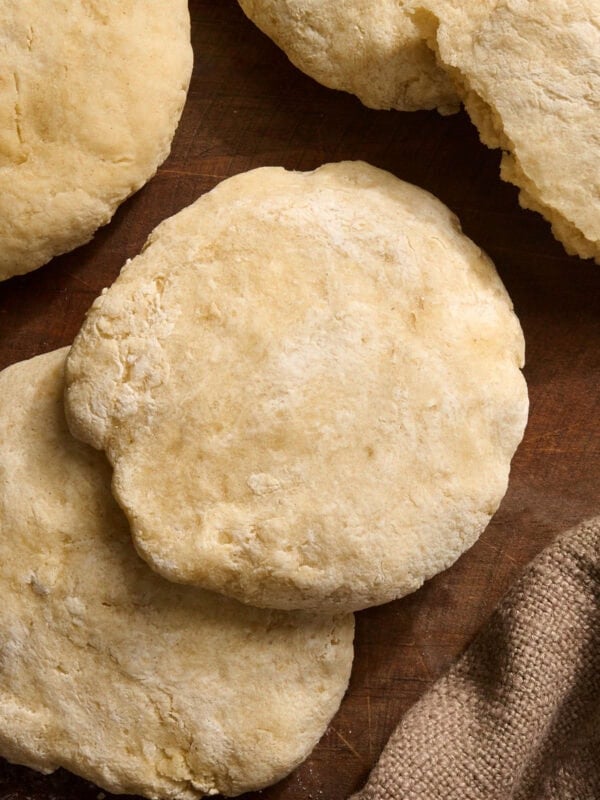
- Gluten-Free Pita Bread: Soft, flexible, and perfect for dipping or stuffing, this gluten-free pita bread is another easy homemade bread recipe that works beautifully for everyday meals. It’s especially great if you love using focaccia for sandwiches and dipping.
- Farinata: This crispy Italian chickpea flatbread has the same rustic, slice-and-serve feel as focaccia, but with a thinner texture and crisp golden edges. Made with just chickpea flour, olive oil, water, and rosemary, it’s perfect for dipping, serving alongside soup, or adding to an easy dinner spread.
- Socca: Socca is the French cousin to farinata, with beautifully crisp edges and a soft, almost custardy center. This naturally gluten-free flatbread uses simple pantry ingredients and makes a great savory side for soups, salads, or a warm appetizer with olive oil and herbs.
Our Gluten-Free Focaccia recipe was originally published 6/18/21. It was retested, reworked, and republished to be better than ever 5/20/26.







I made this for my husband who has celiac and he was SO HAPPY with it. My toddlers loved it as well 🙂 I added red onion and olives to the top and it was so delicious. I’m so happy it’s quick and easy to make because I have a feeling I’ll be making this a lot!
Quick question, is it possible to get the old recipe? I tried the new recipe yesterday and it really didn’t work great with the flour I use. The old recipe made the most amazing, delicious, fluffy focaccia. I’ll be heartbroken if I can make that amazing recipe again!
Thank you!
Hi Courtney, we were receiving a lot of emails that the recipe didn’t work correctly so we updated it to be more precise.
Hey Courtney – I remembered the old recipe so adding here for you as I had the same issue: it’s 2 cups of water (vs 1 2/3), 1/2 cup olive (vs 6 tsp) and a tablespoon of baking powder. Everything else stays the same.
I’ve been making this recipe for months, but it’s changed. What did you change? It’s not as fluffy as it used to be.
Hi Erica, Hi there, we were receiving a lot of emails that the recipe didn’t work correctly so we updated it to be more precise.
Nice and chewy, and easy, fairly quick recipe to put together.
Why was this recepie reworked?? The first one (pub. 6/18/21) was moist and delicious. It was our favorite bread to make. The new recepie makes good bread, but not focaccia as we know it.
Hi there, we were receiving a lot of emails that the recipe didn’t work correctly so we updated it to be more precise.
Perfect recipe! I’ve made it a few times very successfully.
Should it be removed from the tin asap after cooking or allowed to cool first?
Thanks for sharing great recipes !
Thanks Joanne! Yes, allow it to cool first.
Tried it loved it it’s my go to for all things bread.
Really good! I baked it in a 9×13 pan and put roasted garlic, rosemary, and maldon salt on top. Turned out great. Very easy recipe to follow.
We made this for Focaccia Friday at my daughter’s school – they have it every week but she’s never been able to eat it (gluten intolerant). Until now! Made this, and although our dough looked really wet – it turned out brilliantly. The kids have already inhaled half the tray within 10 minutes of it coming out of the oven. This will be a new staple bake ❤️
This recipe is perfect. Followed it exactly and it came out crusty, airy, chewy. Everything you expect a foccacia to be. Easy and quick too. My kids didn’t notice it was any different to the usual focaccias (glutenful) I make. it’s a keeper!